


Title: How a Neighborhood Pet Store Shapes Community Life
Introduction:
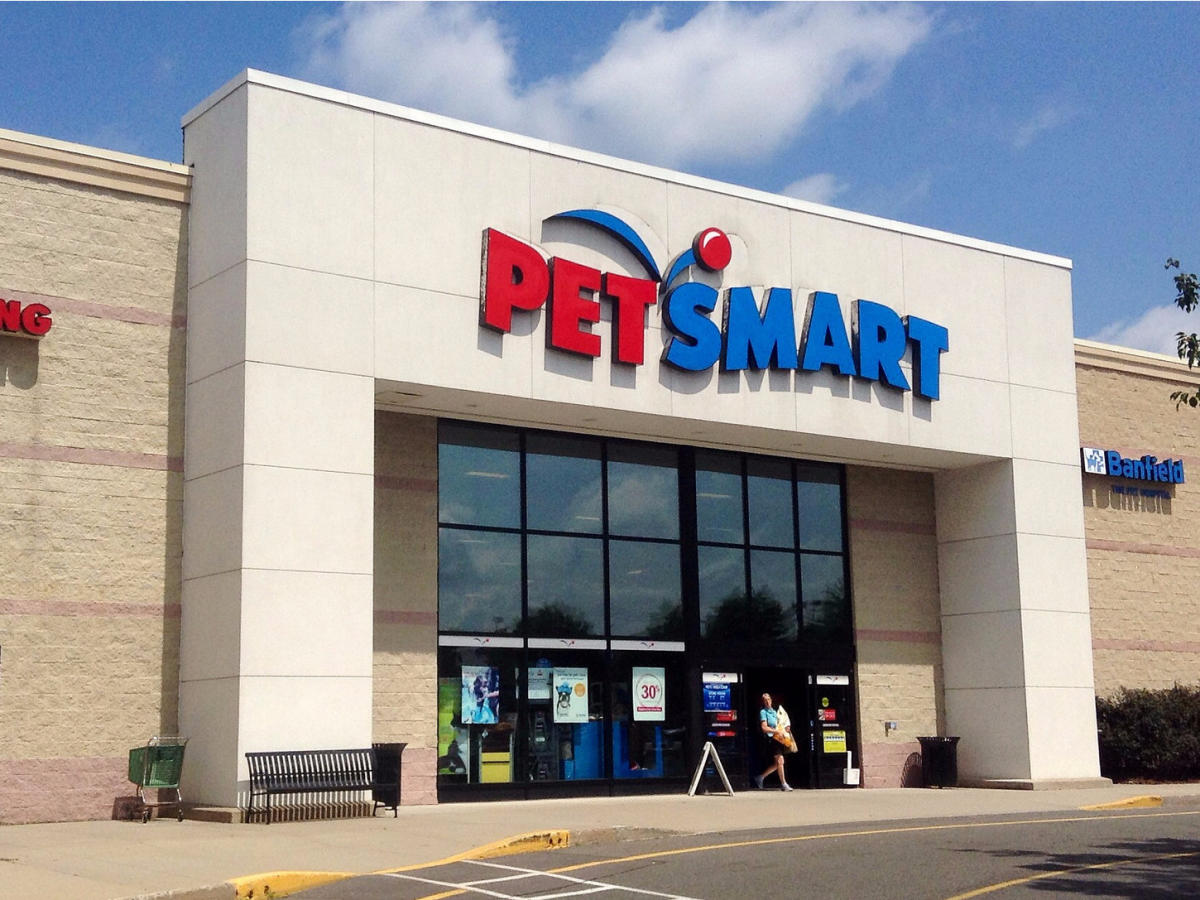
A conveniently located pet-supply retailer can quietly influence daily life for nearby residents. This article looks at the ripple effects—economic, social, and environmental—that follow when such a store opens its doors. By weighing the advantages against the drawbacks, we gain a clearer picture of how these businesses fit into the neighborhood fabric.
Economic Impact
The store becomes a one-stop shop for food, toys, and services, injecting steady energy into the local economy. First, it hires from the surrounding area, offering positions that range from cashier to groomer. Industry data show that pet-related employment continues to grow nationwide, and each new storefront adds to that trend.
Second, the draw of consistent foot traffic encourages complementary ventures—dog-wash stations, training studios, and even cafés that welcome four-legged guests—to set up nearby. The resulting cluster of small businesses enlivens the commercial district and keeps more money circulating locally.
Social Impact
Beyond transactions, the store acts as an informal meeting ground. Weekly runs for kibble or cat litter turn into chance chats among neighbors who discover shared interests in breed health or leash-training tips. Over time, these micro-interactions knit people together and strengthen a sense of belonging.
Special events amplify the effect. Weekend adoption drives, low-cost vaccine clinics, and puppy-manners classes invite residents to linger, learn, and volunteer. Each gathering reinforces the idea that caring for animals is a community project, not just a private chore.
Environmental Impact
Moving thousands of products to the shelves inevitably creates transportation emissions. To offset part of that burden, many chains now favor recyclable packaging, encourage bulk-bin refills, and stock energy-efficient aquarium pumps. Shoppers who bring reusable bags or choose sustainably sourced food further trim the footprint.
Perhaps the biggest green gain comes from spotlighting shelter adoptions. Every cat, rabbit, or reptile placed in a permanent home reduces strain on municipal shelters and the resources required to care for abandoned animals.
Challenges and Concerns
No new arrival is without friction. A popular store can clog side streets during peak hours, especially when families combine supply runs with grooming appointments. Thoughtful scheduling, shared parking agreements, and bike racks can ease the crunch.
Noise from delivery trucks or weekend events is another common worry. Buffer landscaping, delivery-time restrictions, and quieter electric equipment help keep the peace while business continues.
Conclusion
When a pet-supply retailer plants roots in a neighborhood, it brings jobs, conversation, and a platform for animal welfare. The inconveniences are real but manageable, and the net effect tends to be positive. Continued dialogue between managers, residents, and local officials ensures the store evolves in step with community needs.
As more households welcome pets into their lives, the role of a friendly, well-run neighborhood store will only grow—serving not just animals, but the people who love them.
Recommendations and Future Research
To keep the momentum going, store teams can:
1. Partner with nearby shelters for monthly adoption days and foster-information nights.
2. Offer short workshops on topics like dental care, nutrition labels, and travel safety, building a reputation as a knowledge hub rather than just a retailer.
3. Expand refill stations, compostable waste bags, and other low-waste options that let customers vote for sustainability with their wallets.
Researchers, meanwhile, could track how these initiatives affect neighborhood cohesion, local employment stability, and even municipal shelter intake rates over time. Long-term data will help refine best practices and demonstrate the broader value of pet-focused businesses to cities everywhere.
With steady cooperation and curiosity, the local pet store can remain a small-scale anchor that delivers large-scale benefits.


