


German Shepherd Feeding Guide: A Practical Approach to Balanced Nutrition
Introduction
The German Shepherd is celebrated for its sharp mind, steady loyalty, and adaptability. Supplying the right food in the right amounts is central to keeping these dogs strong and happy. This guide walks owners through the basics of building a flexible feeding routine that respects age, size, energy output, and overall condition.
The Value of a Feeding Plan
A simple feeding plan acts like a roadmap, helping owners serve calories, protein, and micronutrients in sensible portions. By following a steady routine, it is easier to keep weight in check, protect joints, and lower the odds of diet-linked problems.
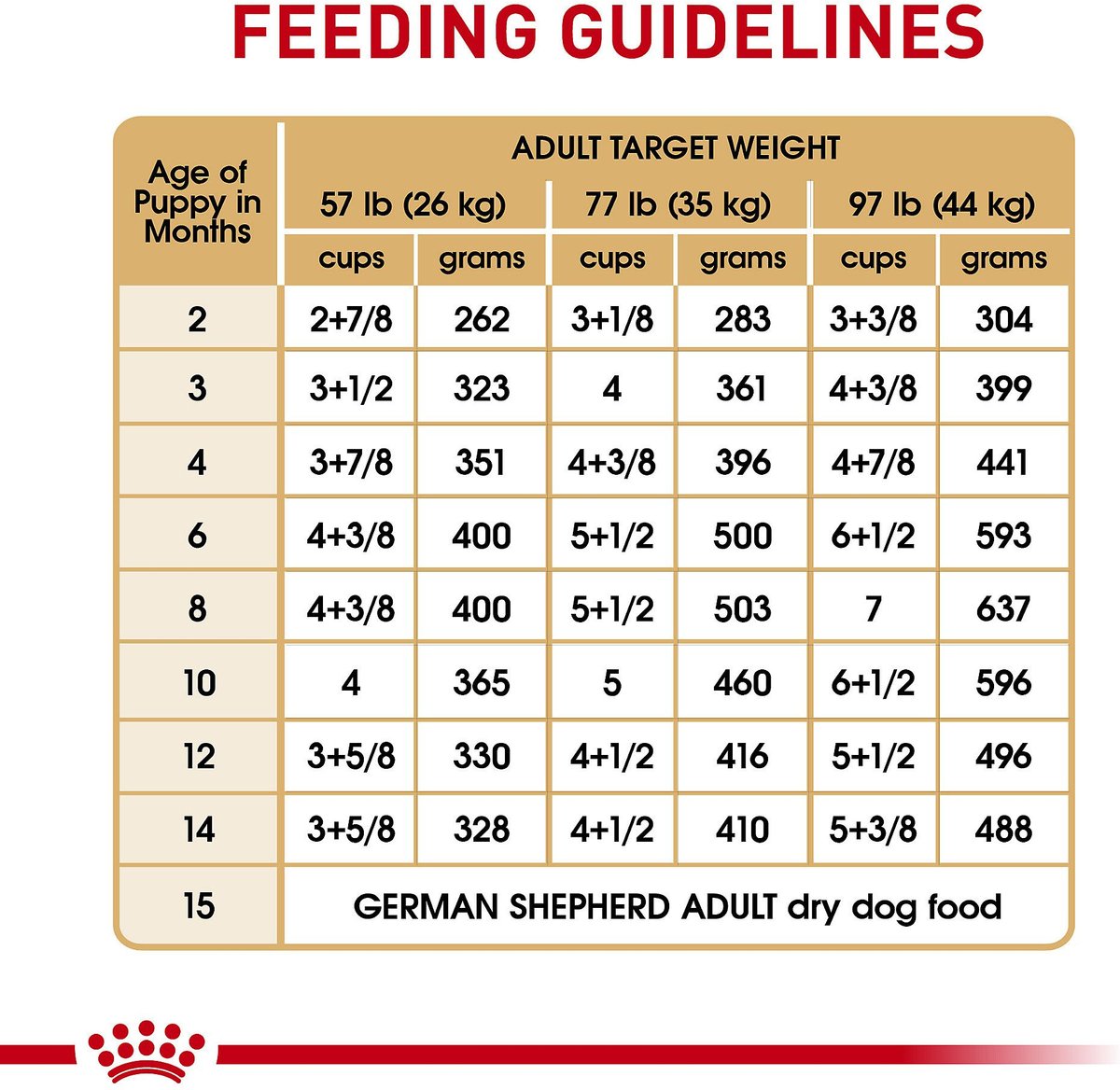
Key Influences on How Much to Feed
Age
Young pups need calorie-dense meals to fuel rapid growth, while most adults thrive on moderate energy levels that maintain lean muscle. Seniors often do best on lighter, highly digestible recipes that ease the workload on aging organs.
Weight
Body condition—whether too thin, ideal, or overweight—guides portion size. A visible waist and ribs that are easy to feel but not protruding usually signal a healthy target.
Activity Level
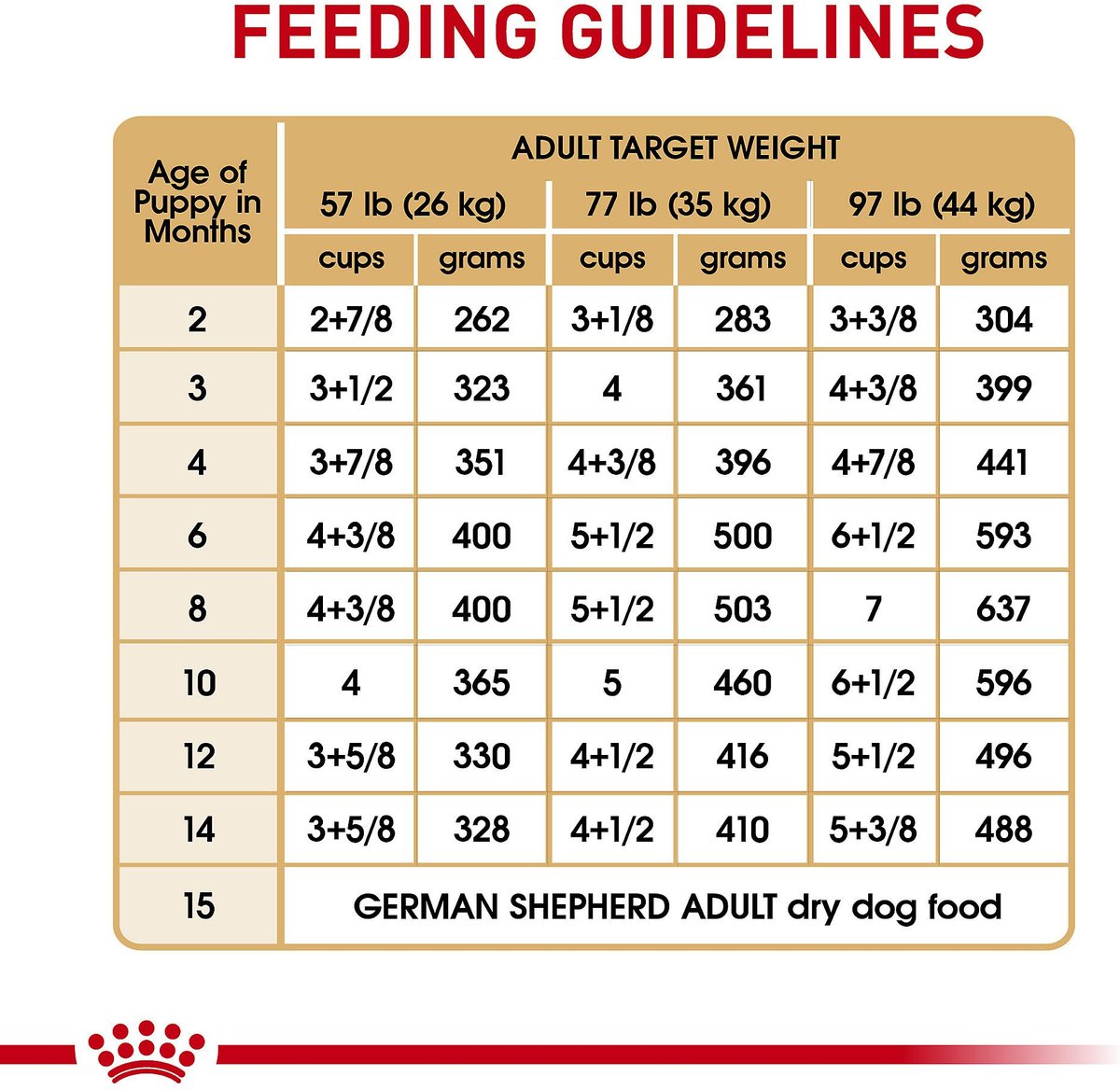
Dogs that jog, hike, or train daily burn more fuel and can tolerate larger servings. Couch companions and senior pets require fewer calories to avoid creeping weight gain.
Health Status
Special conditions such as sensitive skin, hip stiffness, or digestive upset may call for limited ingredients, added fiber, or joint-friendly nutrients. Veterinary input helps tailor those details.
Building a Feeding Routine
Step 1: Estimate Daily Calories
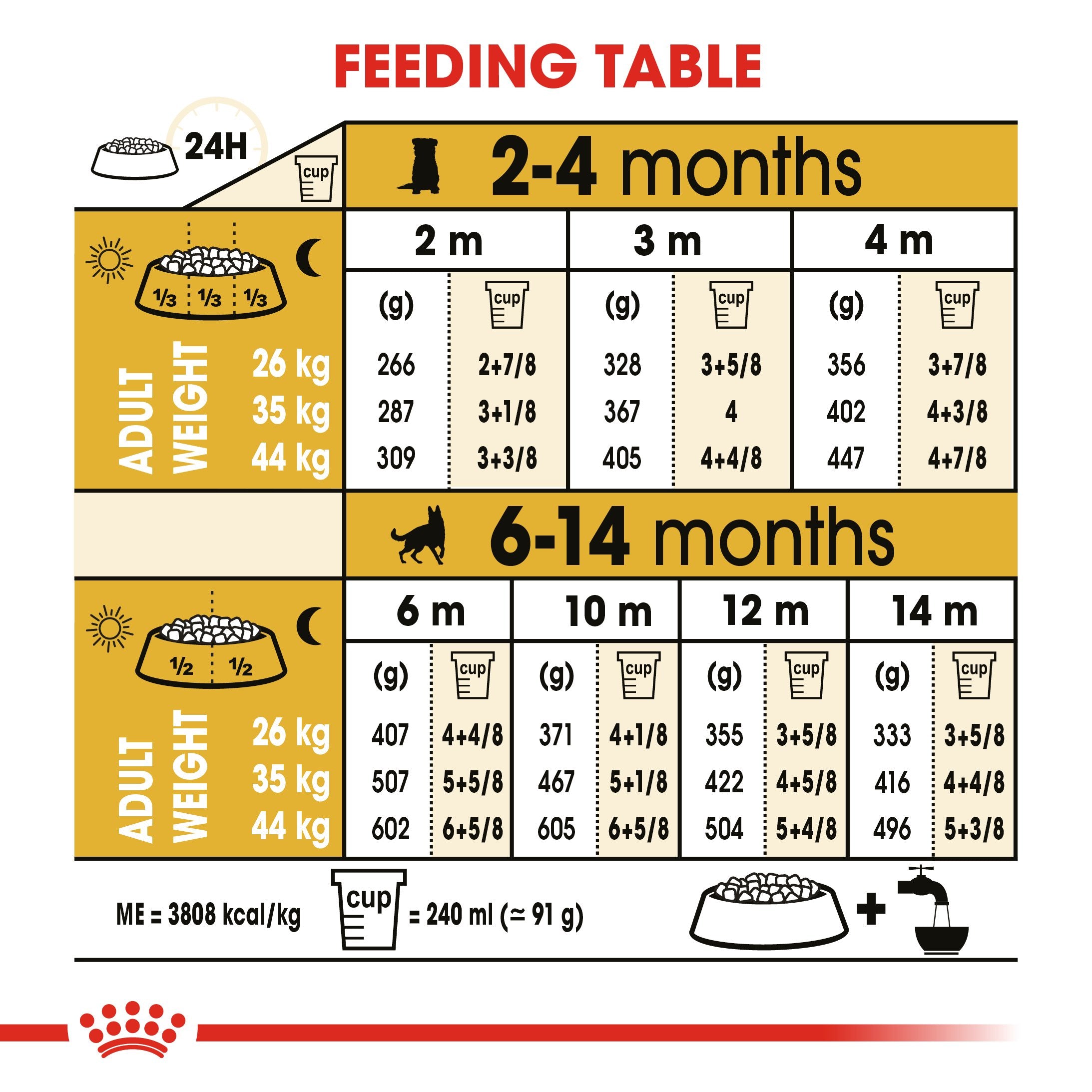
Start with a reputable calorie calculator or ask a vet for a starting figure based on current weight and lifestyle. Treat the number as a starting point, not a rigid law.
Step 2: Pick a Quality Food
Look for complete-and-balanced formulas that list meat, fish, or egg among the first ingredients and carry an AAFCO statement for your dog’s life stage.
Step 3: Set Meal Times
Two equal meals—morning and evening—suit most households. Puppies may need three or four smaller servings until about six months of age.
Step 4: Watch Body Condition and Adjust
Weigh the dog monthly and run your hands along the ribs. If the waist vanishes or the ribs feel buried, trim the portion. If hips and backbone start to protrude, add a measured amount of extra food.
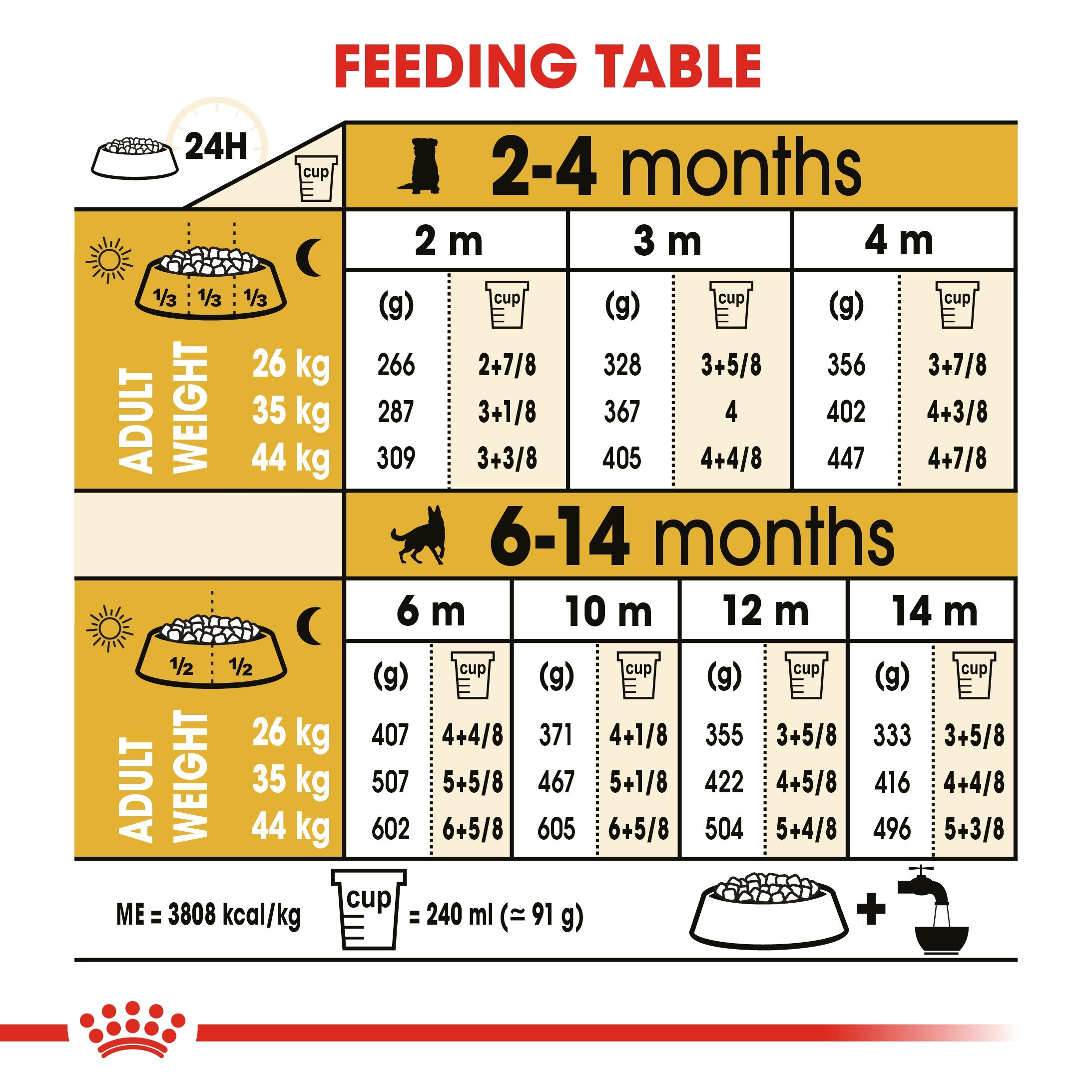
Benefits of a Thought-Out Routine
– Keeps weight steady and joints happier
– Supports a glossy coat, bright eyes, and steady energy
– Simplifies shopping and meal prep
– Builds a predictable rhythm that dogs enjoy
Conclusion
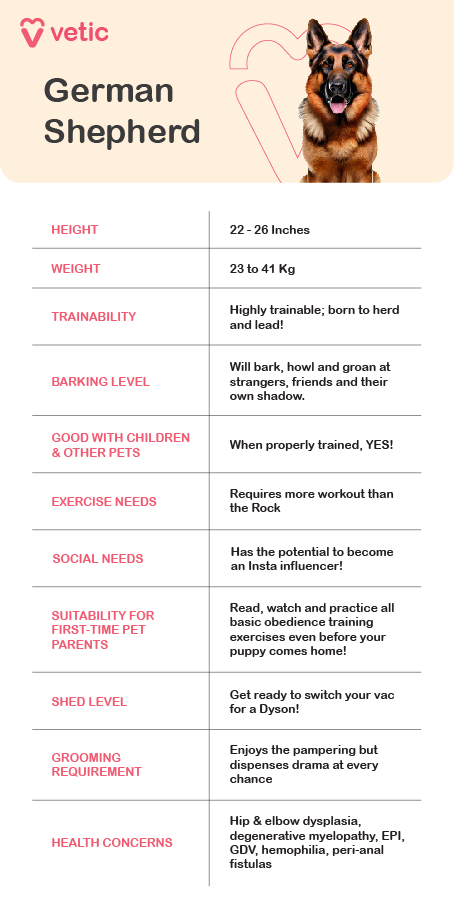
A straightforward feeding routine, revisited as life changes, is one of the easiest ways to protect a German Shepherd’s health. Combine quality food, sensible portions, regular body checks, and veterinary guidance to give a loyal companion the best chance at a long, active life.
Future Research Directions
Studies comparing scheduled meals with ad-lib feeding, or exploring varied protein-to-carbohydrate ratios, could refine best practices. More data on nutrients like omega-3s, antioxidants, and prebiotics may clarify their role in longevity and joint comfort for this active breed.


