

Title: The Intricacies of Cat Paws: A Comprehensive Analysis
Introduction:
The cat, a beloved companion to many, is a creature of mystery and allure. One of the most fascinating aspects of a cat’s anatomy is its paws. This article aims to delve into the intricacies of cat paws, exploring their structure, function, and significance in the feline world. By examining various aspects of cat paws, we will gain a deeper understanding of these remarkable appendages and their role in the lives of cats.
Structure and Composition of Cat Paws
The cat’s paw is a complex structure, consisting of bones, muscles, tendons, and ligaments. The paw is divided into three parts: the metacarpus, the phalanges, and the digits. The metacarpus is the part of the paw that connects to the leg, while the phalanges are the bones of the toes. The digits refer to the individual toes.
The bones in a cat’s paw are similar to those in human hands and feet, but they are more delicate and flexible. The metacarpal bones are long and slender, providing support and stability to the paw. The phalanges are shorter and more robust, allowing for a wide range of movements. The digits are the most flexible part of the paw, enabling cats to grasp, climb, and walk with agility.

The paw also contains numerous muscles, tendons, and ligaments that work together to control the movements of the paw. The muscles are responsible for flexing and extending the toes, while the tendons and ligaments provide stability and support.
Function and Adaptation of Cat Paws
Cat paws are highly specialized for various functions, making them one of the most remarkable adaptations in the animal kingdom. Here are some of the key functions and adaptations of cat paws:
1. Grasping and Climbing: The flexible digits of a cat’s paw allow it to grasp and climb with ease. The claws, which are retractable, provide additional grip and protection.
2. Sensory Perception: The paw is equipped with numerous sensory receptors, including mechanoreceptors, thermoreceptors, and chemoreceptors. These receptors enable cats to detect vibrations, temperature changes, and chemical substances in their environment.
3. Hunting and Prey Capture: The cat’s paw is an essential tool for hunting and capturing prey. The sharp claws and sensitive paw pads help cats to pounce, grip, and kill their prey.
4. Communication: Cats use their paws to communicate with other cats and humans. For example, a cat may swipe its paw at a perceived threat or use its paw to groom itself.

Evolutionary Aspects of Cat Paws
The evolution of cat paws has been shaped by the needs and behaviors of cats throughout history. Here are some key evolutionary aspects of cat paws:
1. Climbing: Cats have evolved to be excellent climbers, and their paws have adapted to provide the necessary grip and stability for climbing trees and other structures.
2. Hunting: The specialized structure of the paw has allowed cats to become efficient hunters. The sensitive paw pads and sharp claws enable them to hunt effectively in various environments.
3. Communication: The ability to communicate through paw movements has been crucial for cats’ survival and social interactions.
Research and Studies on Cat Paws
Numerous studies have been conducted to understand the structure, function, and evolution of cat paws. Here are some notable research findings:
1. A study published in a biology journal found that the unique structure of the cat’s paw allows it to generate more force during climbing and walking compared to other animals.
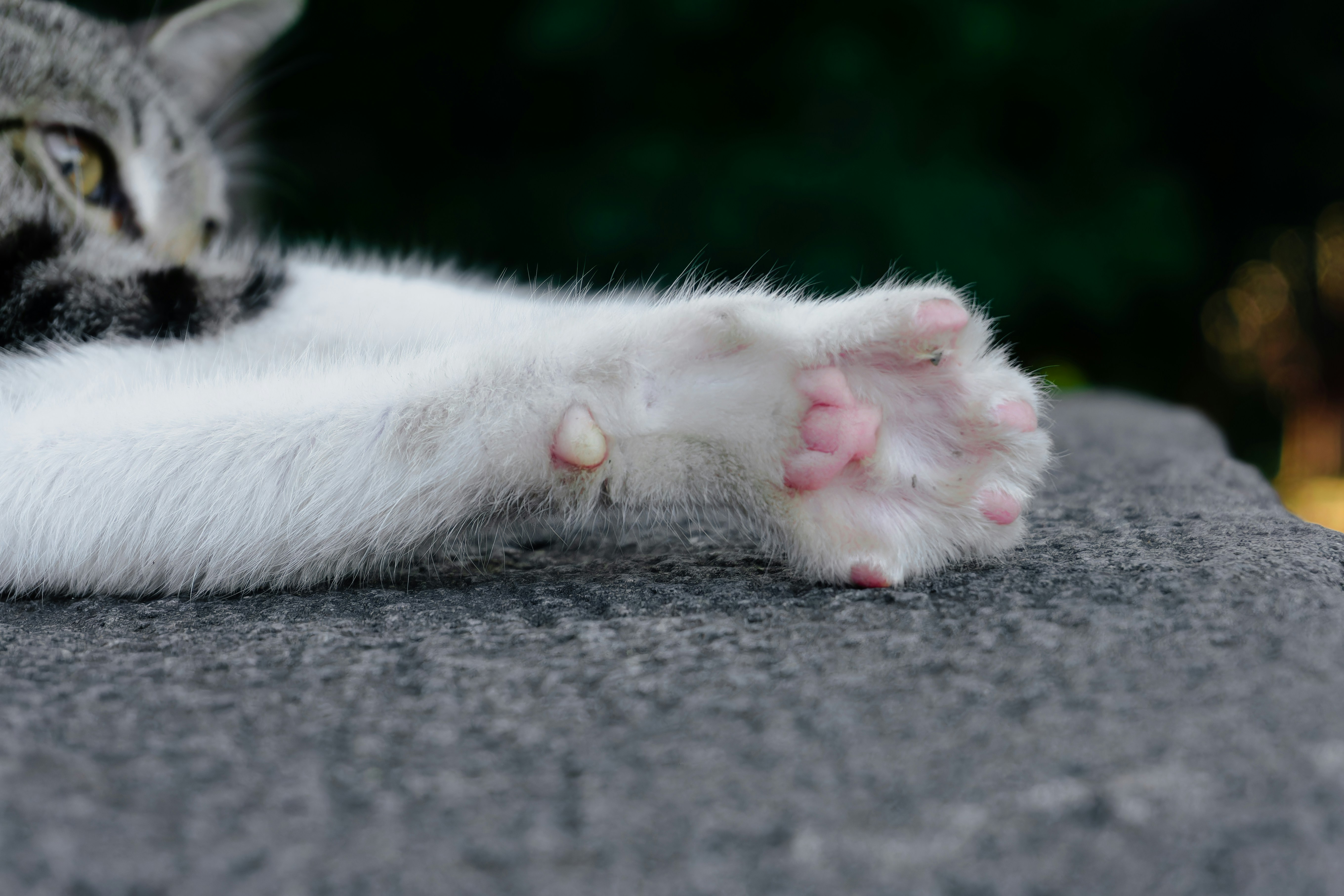
2. Research conducted by a leading university revealed that the sensory receptors in a cat’s paw are highly sensitive to vibrations, enabling them to detect prey movements even in complete darkness.
3. A study published in a psychology journal examined the communication functions of cat paws and found that cats use their paws to convey a variety of messages, including fear, aggression, and submission.
Conclusion
In conclusion, the cat’s paw is a remarkable adaptation that has played a crucial role in the survival and success of cats throughout history. The intricate structure, function, and evolutionary aspects of cat paws have allowed cats to become agile climbers, efficient hunters, and effective communicators. By studying cat paws, we can gain a deeper understanding of the feline world and appreciate the remarkable adaptations that make cats such fascinating creatures.
As research continues to unravel the mysteries of cat paws, we may discover even more about the unique characteristics of these remarkable appendages. In the meantime, we can admire the beauty and functionality of cat paws and appreciate the intricate design of nature.

