


Title: The Craft and Science of Chihuahua Breeding in the Midwest
Introduction
Chihuahuas, celebrated for their pocket-sized frames and outsized personalities, rank among the most beloved companion dogs across the country. The Midwest, long known for its agricultural roots and affection for animals, has quietly become a center for dedicated Chihuahua enthusiasts. This piece explores the blend of tradition and technology behind responsible Chihuahua breeding in the region, along with the rewards and hurdles breeders encounter.
The Chihuahua Breed: A Brief Overview
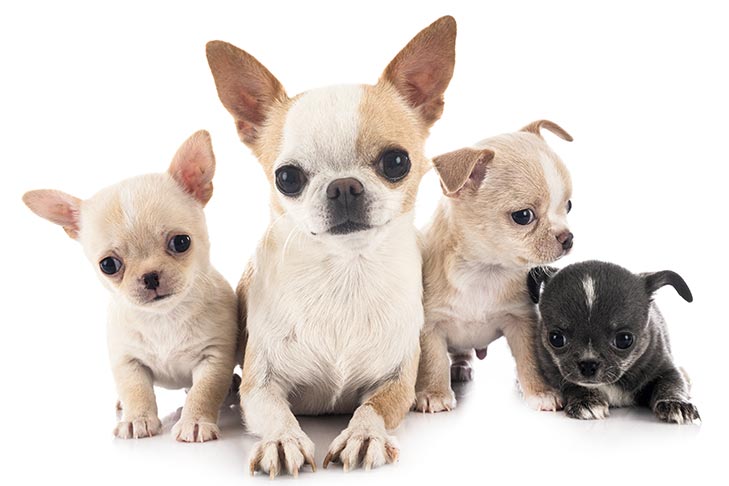
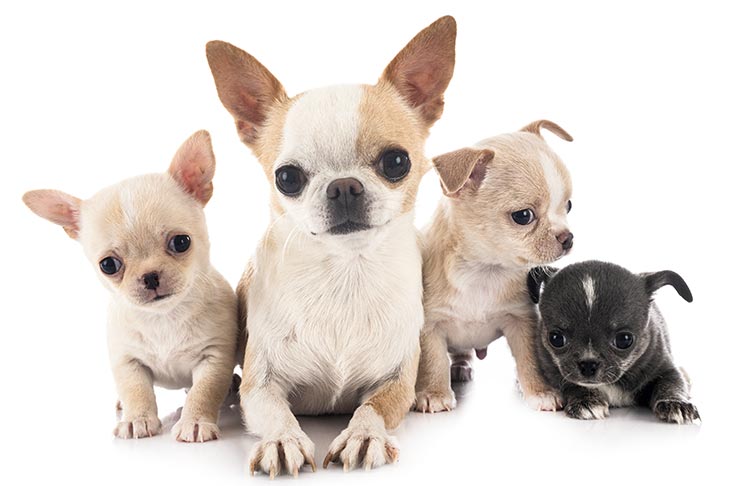
The Chihuahua holds the title of the world’s tiniest canine, with ancestry tracing back to pre-Columbian Mexico. Alert, quick-witted, and deeply devoted to their people, these dogs arrive in a rainbow of coat colors and in both smooth and long varieties. Adults typically weigh between two and six pounds, making them ideal for laps and city apartments alike.
The Art of Chihuahua Breeding
Raising sound, well-tempered Chihuahuas is as much craft as science. Breeders study bloodlines, observe personality traits, and weigh physical soundness before matching any pair. Compatibility goes beyond looks; a calm dam paired with a gentle sire, for example, usually produces confident, agreeable pups.
Whelping demands round-the-clock vigilance. Because mothers this small can face delivery complications, experienced keepers prepare warm nesting areas, track temperatures, and remain ready for veterinary support. Once the litter arrives, early socialization—gentle handling, varied sounds, and positive human contact—lays the groundwork for stable adult temperaments.
The Science of Chihuahua Breeding
Modern breeders rely on DNA panels to screen for hereditary issues common in toy breeds: slipping kneecaps, low blood sugar, and early tooth loss. By identifying carriers and affected dogs, they can avoid risky pairings and gradually lower the frequency of these problems in future generations.
Regular cardiac, eye, and patella exams, documented in publicly accessible databases, add another layer of transparency. The goal is not perfection but steady, measurable improvement in health and longevity.
Challenges and Opportunities in Chihuahua Breeding
Specialized health testing, quality nutrition, and emergency vet care raise the cost of doing things right. Add in the need for continuing education—seminars, mentorships, and travel to national specialties—and margins can stay slim. Still, demand for well-bred companions remains strong, especially among urban dwellers seeking a portable, affectionate pet.
Statewide animal-welfare guidelines, when sensibly written, give ethical breeders a clear roadmap and help distinguish them from substandard operations. Compliance, though time-consuming, ultimately protects both dogs and reputations.
The Role of Chihuahua Breeders
Responsible breeders serve as guardians of the breed’s future. Each mating decision ripples outward, influencing temperament, genetic diversity, and public perception. Many also open their homes to local schools and 4-H clubs, teaching children about canine care, responsibility, and empathy.
Beyond producing pets, these enthusiasts contribute to grassroots rescue networks, offering rehabilitation or re-homing assistance when Chihuahuas fall on hard times. Their collective effort strengthens the human-canine bond across communities.
Conclusion
Chihuahua breeding in the heartland marries time-honored husbandry with twenty-first-century science. The path is demanding—financially, emotionally, and ethically—yet the reward is a legacy of healthier, happier dogs that enrich countless households. By staying committed to transparency, education, and compassion, Midwest breeders ensure this tiny breed continues to leave a giant paw print on American life.
Looking ahead, the dedication of these keepers will shape not only the next generation of Chihuahuas but also the broader culture of responsible pet ownership. Their work reminds us that every small dog represents a big responsibility—and an even bigger opportunity to champion welfare, one litter at a time.


