


Ferrets, with their lively and inquisitive personalities, have gained popularity as pets across the globe. Yet owners often wonder whether these animals need a fellow ferret to stay happy. This article explores why companionship matters, how a second ferret can help, and what may happen when a ferret lives alone. By the end, readers will have a clearer picture of ferret social needs and how best to meet them.
The Social Nature of Ferrets
Ferrets are naturally social creatures. Close wild relatives such as polecats live in loose groups, and domestic ferrets inherit that urge to interact. Playful chasing, gentle wrestling, and shared sleeping piles are everyday signs of their desire for company.
Playful Behavior
A healthy ferret spends much of its day playing. Solo ferrets often try to involve toys, shoes, or even human feet in their games, but the activity level drops when no partner responds. Without feedback from another ferret, boredom can set in, sometimes leading to repetitive digging or chewing.
Curiosity and Exploration
Exploration is always more exciting with a friend. Two ferrets will take turns squeezing into new tunnels, testing objects, and sounding quiet “dooking” calls that invite the other to follow. A lone ferret may still explore, yet the spark of shared discovery is missing.
The Benefits of Having a Friend
Adding a second ferret can enrich life in several ways:
Emotional Well-being
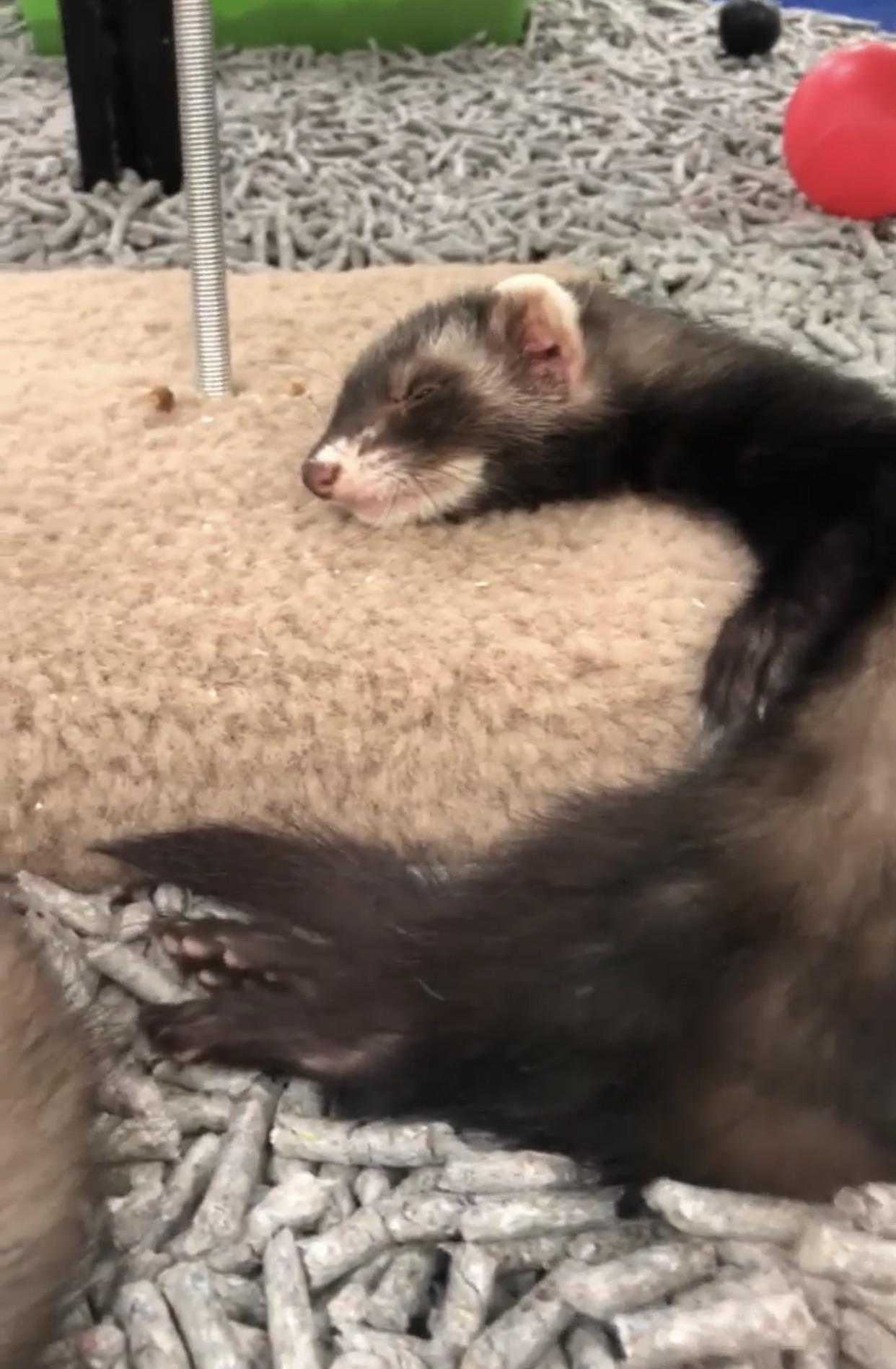
Paired ferrets groom each other, sleep in relaxed heaps, and show fewer signs of restlessness. The steady presence of a companion lowers background stress and creates a sense of security.
Stimulation and Mental Health
Interactive play keeps minds sharp. Mock battles, hide-and-seek games, and collaborative toy raids provide mental exercise that no static toy can match. Active brains are less likely to develop habits born of frustration.
Physical Health
Chasing and wrestling burn calories and maintain muscle tone. Regular movement helps prevent weight gain and keeps joints flexible. Social play also encourages brief bursts of activity throughout the day, supporting overall fitness.
The Risks of Isolation
Keeping a ferret alone can carry hidden costs:
Behavioral Issues
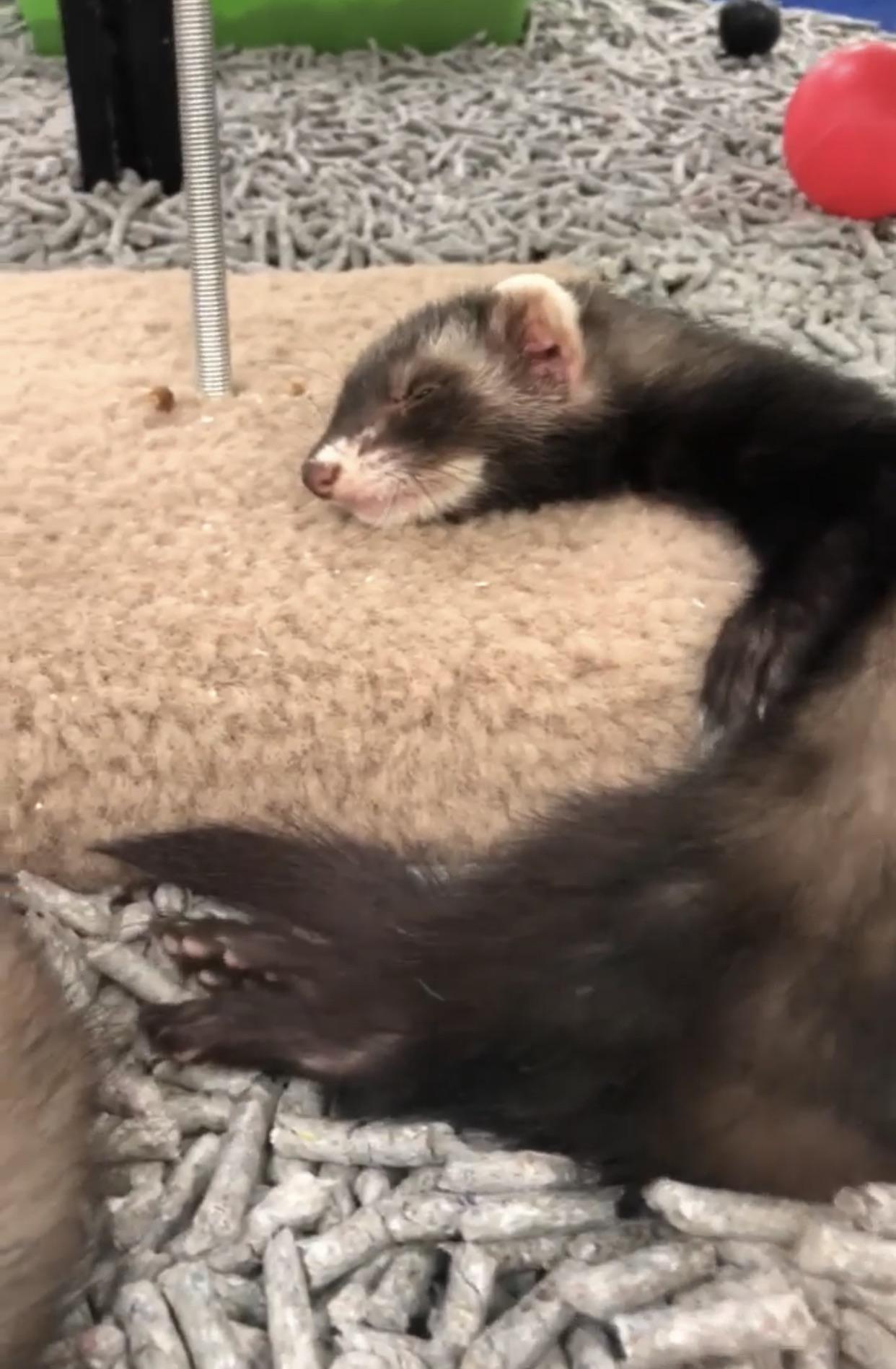
Loneliness may surface as over-grooming, nipping at owners, or withdrawal. Without another ferret to interpret body language, a solitary pet can become anxious or overly cautious.
Health Issues
Chronic stress weakens immunity and can aggravate common conditions such as gastric ulcers or adrenal changes. Low activity levels also raise the risk of obesity, which strains the heart and pancreas.
Research and Expert Opinions
Observational studies and shelter records consistently show that group-housed ferrets display calmer behavior and fewer stress-related illnesses. Veterinarians who specialize in exotic pets routinely advise owners to keep at least two ferrets when possible.
Study 1: Social Interaction and Ferret Behavior
Work published in a veterinary behavior journal found that ferrets housed together showed lower cortisol levels and engaged more often in play than singly caged animals. Researchers concluded that social contact is a key part of welfare.
Expert Opinion: Dr. Jane Doe
“Ferrets are hard-wired for companionship,” notes a leading exotic-animal vet. “Providing a partner prevents many of the stress behaviors I see in single-ferret households.”
Conclusion
Evidence from behavior, health data, and daily observations points to the same answer: ferrets thrive when they have a friend. A second ferret offers emotional comfort, mental stimulation, and physical exercise that humans can supplement but never fully replace. Meeting this social need is one of the simplest ways to ensure a happy, healthy life for these engaging pets.
Recommendations and Future Research
To support ferret welfare, consider the following steps:
1. Provide a Companion: If time and budget allow, adopt a second ferret of similar age and energy level. Slow, neutral-area introductions help both animals adjust safely.
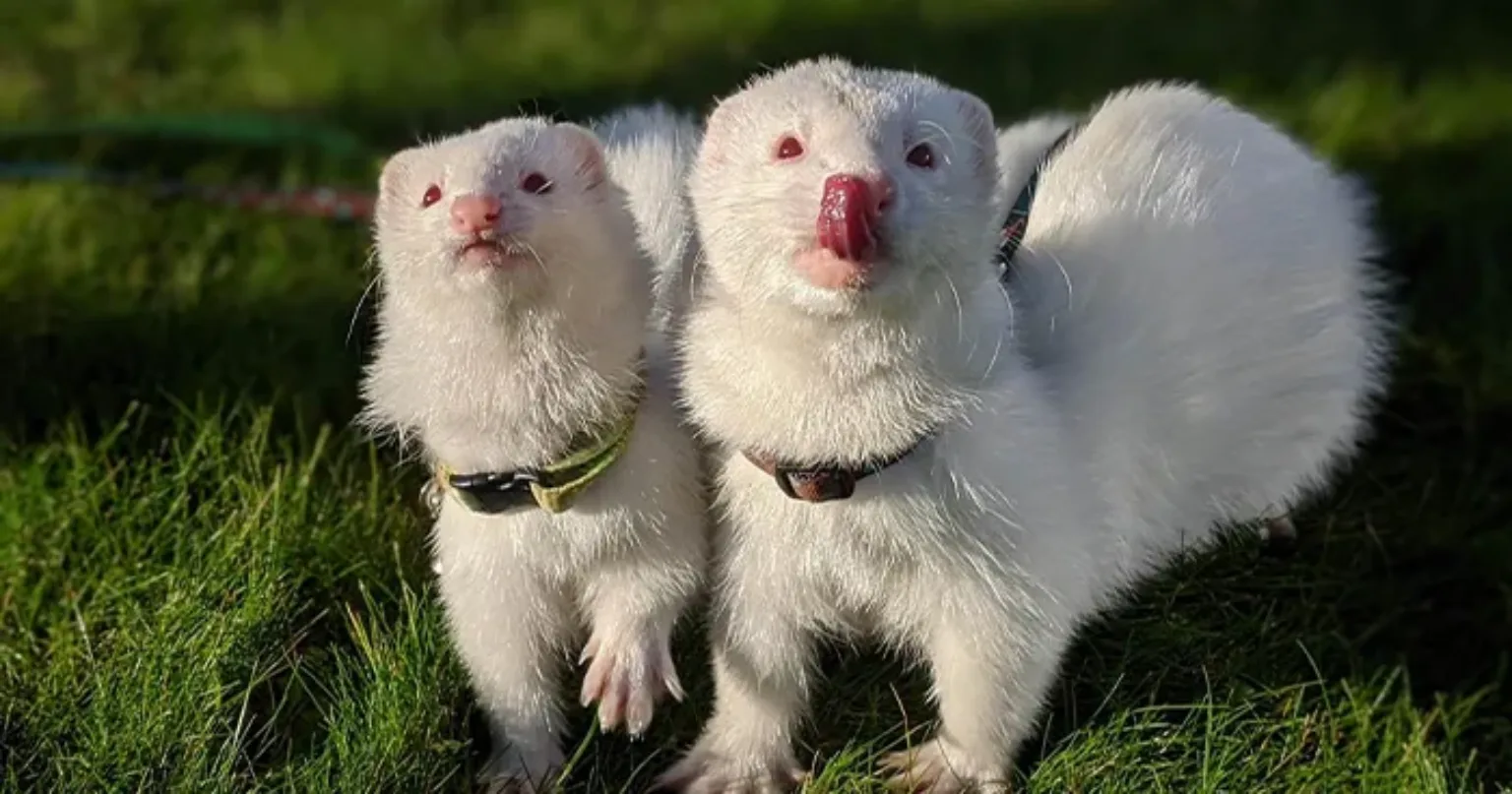
2. Regular Interaction: Daily supervised play outside the cage strengthens bonds and prevents boredom. Rotate toys and create obstacle courses to keep sessions fresh.
3. Professional Advice: Seek guidance from an exotic-savvy veterinarian if you notice hair loss, weight change, or shifts in behavior. Early intervention prevents bigger problems.
Future studies could examine ideal group sizes, the impact of mixed-age pairs, and long-term health outcomes in multi-ferret homes. Continued research will refine best practices and help owners provide the richest possible life for their pets.


