The Interaction Between Dogs and Cats: A Study on Petting Dynamics
Introduction
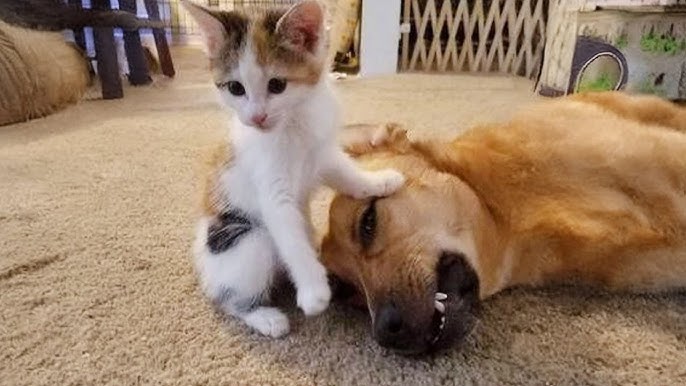
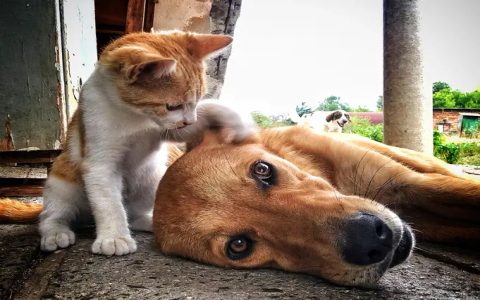
The way dogs and cats relate inside a home fascinates both scientists and pet lovers. One especially endearing moment is when a dog gently paws or nuzzles a cat as if offering a caress. This article explores why this behavior happens, what rewards it may bring, and what pitfalls to watch for. Drawing on published studies and everyday observations, it aims to give a balanced view of the dog-to-cat “petting” phenomenon.
The Nature of the Interaction
The Behavior of Dogs and Cats
Dogs crave social contact and often look to humans or other animals for approval. Cats value personal space and approach social moments on their own terms. When a dog reaches out to a cat with soft touches, it is usually an invitation to bond rather than a display of dominance.
The Role of Body Language
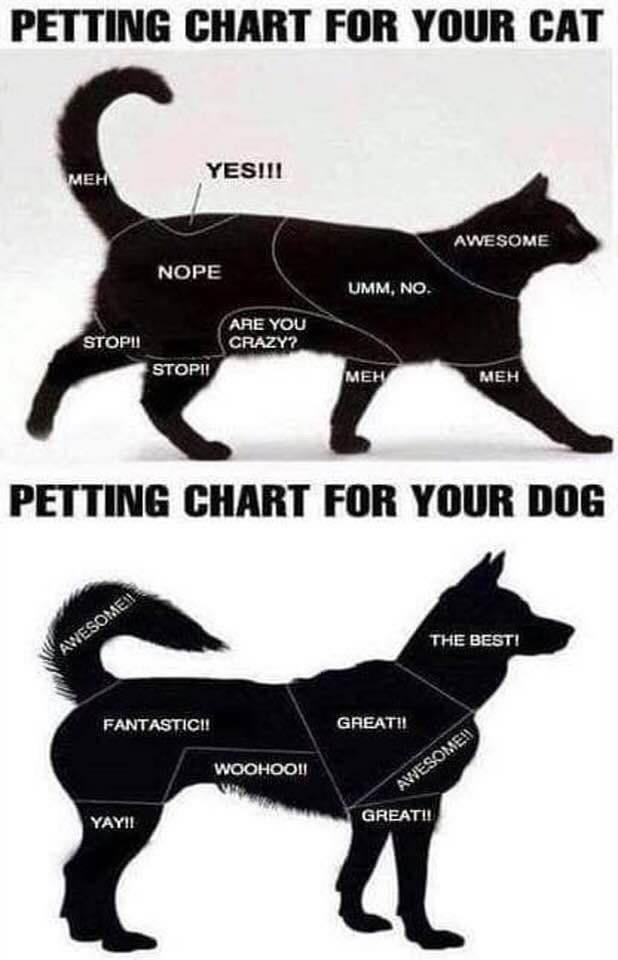
A dog may lower its head, wag slowly, or lift a relaxed paw before making contact. These signals show peaceful intent. The cat decides whether to lean in, walk away, or give a warning swat. Reading these cues on both sides keeps the meeting safe.
The Benefits of Dog-Petting-Cat Interaction
Strengthening the Bond
Positive cross-species contact can lower stress hormones in both pets, creating a calmer shared space. Over time, brief gentle moments can build trust and reduce tension during meals, play, or rest.
Enhancing Social Skills
When a dog learns to moderate its strength, it practices self-control that also helps around children or smaller animals. The cat, in turn, becomes more tolerant of new experiences, making vet visits or guests less daunting.
Stimulating Physical Activity
A light pat can spark a short chase or a playful roll, encouraging both animals to stretch and move. This low-impact exercise supports joint health and healthy weight.
The Challenges of Dog-Petting-Cat Interaction
Conflict and Aggression
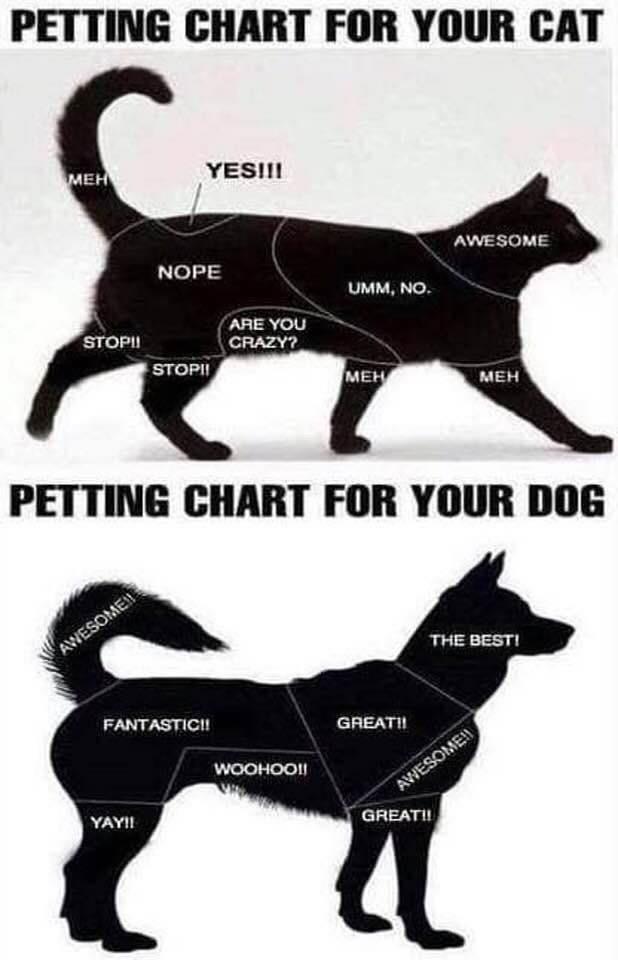
Over-enthusiastic dogs can overwhelm a cat, leading to hissing, swatting, or sprinting away. Without guidance, these encounters can escalate into lasting fear or even injury for either party.
Health Risks
Close contact can spread parasites or minor infections if routine care such as vaccinations and flea control is neglected. Regular check-ups and clean environments reduce these concerns.
Case Studies and Expert Opinions
Case Study 1: The Curious Canine and the Reluctant Feline
In one home, a young dog repeatedly approached the resident cat with soft nose bumps. At first the cat retreated, but short, supervised sessions and tasty rewards taught both pets to stay relaxed. Within weeks they could share a sunny spot without stress.
Expert Opinion: Dr. Jane Smith
An experienced animal behaviorist notes that success depends on the individual personalities involved, consistent training, and a stable household routine. Slow introductions and positive reinforcement remain the gold standard.
Conclusion

The sight of a dog “petting” a cat illustrates the potential for harmony between two species that speak different body languages. When managed thoughtfully, these moments foster friendship and enrich daily life. Continued observation and gentle guidance help ensure that both pets feel secure.
Recommendations and Future Research
Pet owners should consider the following recommendations when facilitating dog-petting-cat interactions:
1. Stay nearby to watch for signs of discomfort and end the session before tension rises.
2. Begin with brief, calm meetings and lengthen them only when both animals remain relaxed.
3. Use reward-based training to teach dogs slow, gentle movements around cats.
4. Speak with a veterinarian about preventive care and any health questions linked to close contact.
Future research should focus on the following areas:
1. Long-term effects of dog-petting-cat interactions on the mental and physical health of both animals.
2. Effective training methods for promoting positive interactions between dogs and cats.
3. The role of environmental factors in shaping the dynamics of dog-petting-cat interactions.
By continuing to explore the complexities of this interaction, we can better understand and support the well-being of our furry companions.