

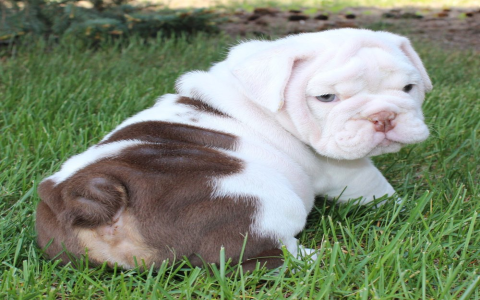
Title: English Bulldog Puppies: A Friendly Guide for Future Owners
Introduction:
English Bulldog puppies have captured hearts around the world with their wrinkled smiles and calm demeanor. Whether you live in a cozy apartment or a spacious home, these loyal companions adapt well to many settings. This article walks you through what makes the breed special, how to care for a puppy, and where to find reputable sources, while also celebrating the welcoming network of Bulldog fans who love to share tips and stories.
Characteristics of English Bulldog Puppies
Bulldog pups are easy to recognize thanks to their broad shoulders, short muzzles, and affectionate personalities. Below are the traits most owners notice first:
1. Size and Build: Adults usually weigh between forty and fifty pounds, carrying a low center of gravity that gives them a sturdy, confident stance.

2. Facial Features: A wide skull, dark round eyes, and small folded ears create the signature “sourmug” look that many people find endearing.
3. Coat: The short, glossy coat appears in several shades—brindle, fawn, white, or a mix—requiring only light brushing to stay neat.
4. Temperament: Calm, friendly, and often comical, Bulldogs form strong bonds with children and other pets, though gentle consistency during training helps manage their occasional stubborn streak.
5. Health Notes: Like any purebred, they can face joint, breathing, or skin sensitivities. Routine vet visits, a healthy weight, and moderate exercise go a long way toward preventing problems.
Care Requirements for English Bulldog Puppies
Raising a happy Bulldog means meeting a few specific needs. Keep these points in mind:
1. Nutrition: Choose a high-quality puppy food approved by your veterinarian, measure meals carefully, and limit treats to avoid excess weight gain.
2. Exercise: Two short walks and a play session indoors or in a fenced yard provide enough activity without overtaxing their breathing.
3. Grooming: Weekly brushing removes loose hair, while gentle wiping of face wrinkles keeps skin dry and odor-free. Bathe only when dirty to preserve natural coat oils.
4. Training: Begin socialization and basic cues early. Reward-based lessons and plenty of patience work better than harsh corrections.
5. Preventive Care: Follow your vet’s schedule for vaccines, parasite control, and annual checkups to catch small issues before they grow.
Adoption Options
If you are ready to welcome a Bulldog into your life, consider these avenues:
1. Local Shelters and Rescue Networks: Many all-breed rescues and dedicated Bulldog groups have puppies or young adults looking for second chances.

2. Breed Clubs: Regional Bulldog clubs often maintain referral lists of reputable breeders and foster homes, helping you find a healthy, well-socialized pup.
3. Online Platforms: National adoption websites let you filter by breed and location, but always verify the legitimacy of any listing and insist on meeting the dog in person.
The Bulldog Community
Once you bring your new friend home, you will discover a warm community eager to help:
1. Meetup Groups: Casual weekend walks or park playdates give Bulldogs—and owners—a chance to socialize and swap advice.
2. Social Media Forums: Dedicated pages offer round-the-clock support for questions about diet, training, and health.
3. Fun Events: From costume parades to relaxed conformation shows, local gatherings celebrate the breed’s charm while raising funds for rescue efforts.

Conclusion:
An English Bulldog puppy can fill your days with laughter, loyalty, and plenty of snuggles. By learning about their unique needs, choosing a responsible source, and connecting with fellow enthusiasts, you set the stage for a rewarding friendship that lasts for years. Welcoming one of these gentle companions is a commitment, but the love and smiles they return make every moment worthwhile.


