

Title: The Role and Importance of Animal Shelters in Society
Introduction:
Animal shelters serve as vital refuges for creatures that have been abandoned, lost, or harmed, quietly weaving compassion into the fabric of everyday life. By offering food, medical attention, and a second chance, they not only protect individual animals but also strengthen the moral pulse of entire neighborhoods. This overview explores how shelters operate, the hurdles they confront, and the quiet victories they achieve, reminding us that their work is inseparable from the well-being of the communities they serve.
Functions of Animal Shelters
Animal shelters wear many hats, each one essential to the health of both animals and people:
1. Rescue and Shelter: Teams respond to calls about injured strays or pets left behind, bringing them to a place where warmth and safety replace fear and uncertainty.
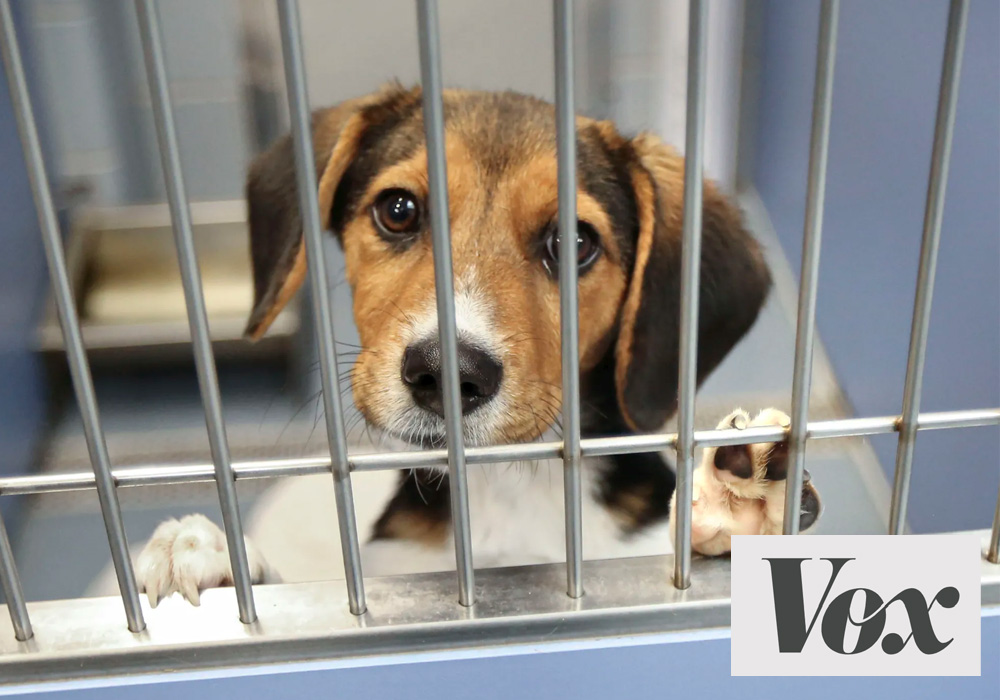
2. Medical Care: On-site clinics or partner veterinarians provide vaccinations, sterilization, wound care, and routine check-ups, ensuring every animal arrives at its new home in the best possible shape.
3. Adoption Services: Counselors meet with prospective families, guiding them toward pets whose energy levels and personalities fit their lifestyles, then follow up after adoption to smooth the transition.
4. Education and Awareness: From school visits to social-media tips, shelters share guidance on responsible ownership, the benefits of sterilization, and simple ways to prevent neglect before it starts.
5. Community Support: Food-bank partnerships, temporary fostering during crises, and low-cost wellness clinics extend a helping hand to owners who want to keep their beloved companions at home.
Challenges Faced by Animal Shelters
Even the most dedicated shelters bump against limits that test their ingenuity:
1. Limited Resources: Budgets rarely stretch to cover every need; choices between urgent surgery and extra kennel space can arise on the same afternoon.
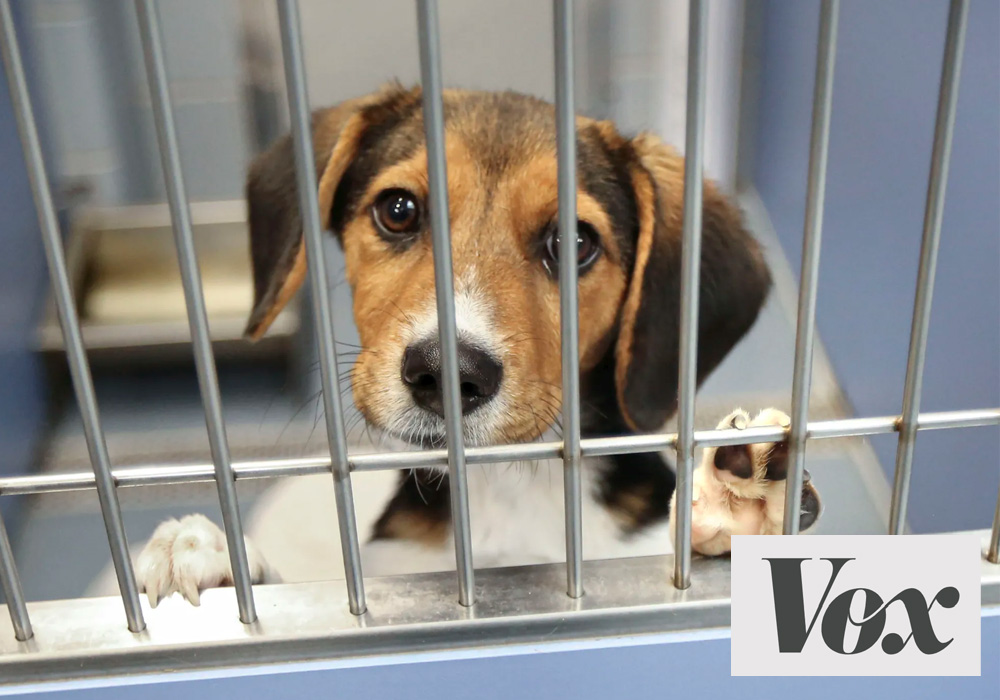
2. Overpopulation: Kittens arrive in spring floods, and adult dogs appear after holiday novelty fades, stretching capacity and lengthening stays.
3. Cruelty and Neglect: Recovering emaciated or injured animals demands time, specialized care, and emotional resilience from staff and volunteers alike.
4. Public Perception: Myths that shelters house only “problem” pets can deter adopters and donors, making outreach and transparency perpetual priorities.
Positive Impact of Animal Shelters on Society
The ripple effects of shelter work reach far beyond their front doors:
1. Animal Welfare: Each successful adoption is a small victory against indifference, replacing suffering with security and giving animals the chance to become beloved companions.
2. Public Health: Vaccination and sterilization programs curb the spread of parasites and contagious diseases, protecting both pets and the people who live alongside them.
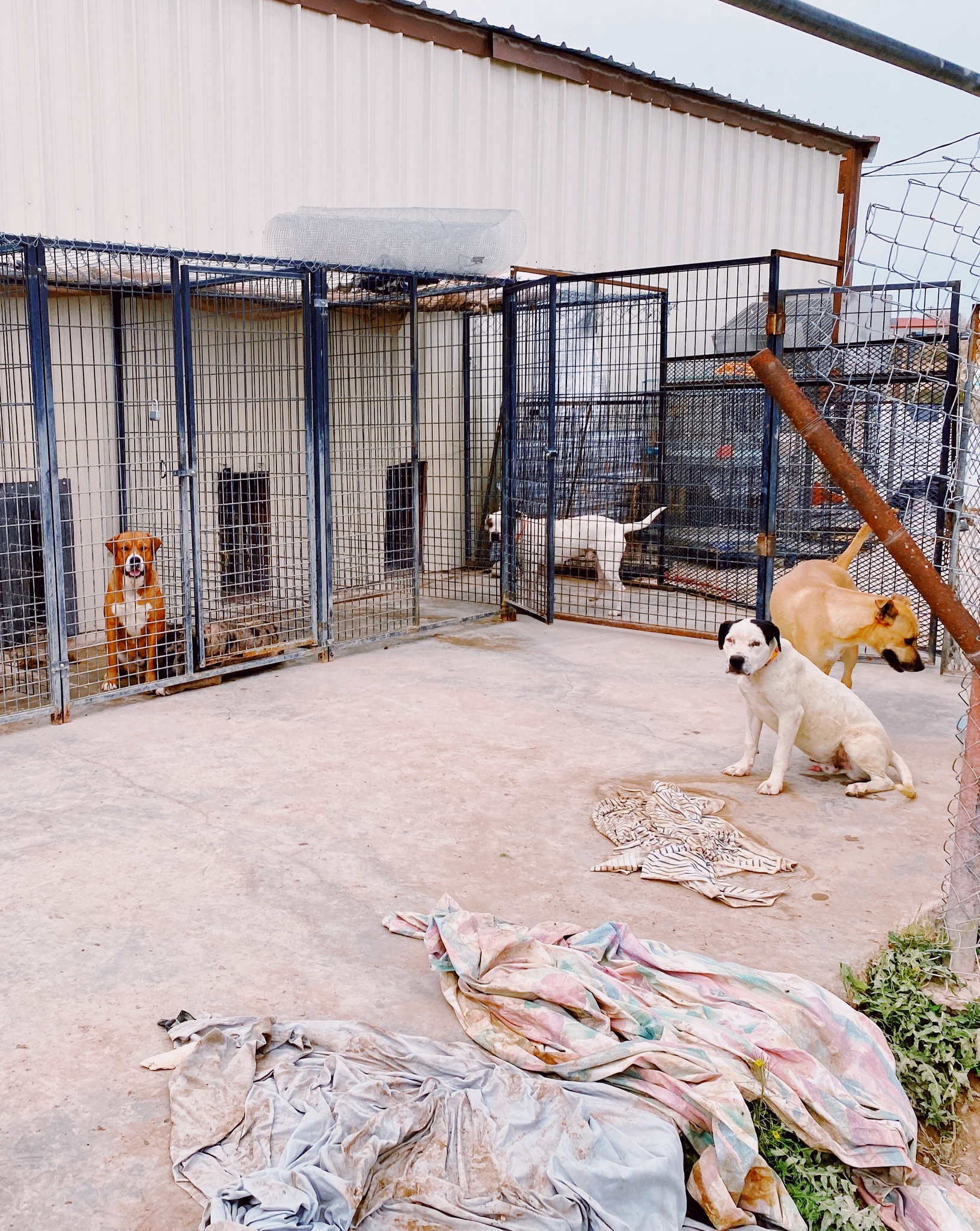
3. Economic Benefits: Local jobs, volunteer hours, and adoption fees circulate within the community, while reduced stray populations ease the burden on municipal services.
4. Community Cohesion: Weekend adoption events, youth reading programs, and charity walks turn strangers into neighbors united by a shared soft spot for four-legged friends.
Conclusion
Animal shelters stand at the intersection of empathy and action, quietly transforming individual stories of hardship into collective tales of hope. By welcoming the abandoned, healing the hurt, and teaching the next generation to care, they remind us that a kinder society begins with how we treat the most vulnerable among us. Continued collaboration—whether through adoption, donation, or simply spreading accurate information—ensures these safe havens remain strong, allowing both people and animals to thrive together.
In the end, supporting shelters is less charity than investment: an investment in safer streets, healthier homes, and a shared future where compassion is routine, not remarkable. Ongoing dialogue, creative solutions, and everyday acts of kindness will keep that future within reach for every wagging tail and gentle purr that crosses a shelter’s threshold.
