


Title: When Dogs Go Missing: Understanding the Challenge
Introduction
The growing number of missing dogs has become a pressing worry for families, shelters, and neighborhoods alike. As more pets slip out of sight each year, understanding why they disappear, what happens afterward, and how we can prevent it is more important than ever. This article explores the journey of a lost dog, the impact on everyone involved, and the practical steps that can bring more happy reunions.
Why Dogs Go Missing
One of the leading reasons dogs vanish is the absence of reliable ID. Without a microchip or a tag on a sturdy collar, good Samaritans have no quick way to trace a wandering pet back home. Escapes also happen when side gates are left ajar, fences develop weak spots, or sudden noises spook a dog into bolting.
Another factor is incomplete training. Owners sometimes underestimate how easily curiosity can override obedience. A dog that has not learned reliable recall or is allowed off-leash in an unfamiliar place can disappear in seconds.
Storms, fireworks, and other disruptive events add to the risk. A frightened animal may run blindly, lose its bearings, and be unable to retrace its steps once the commotion ends.
The Ripple Effects
The emotional toll on families is immediate. Worry, guilt, and sleepless nights often follow the moment a pet is discovered missing. Children especially struggle to understand why their companion has not come home.
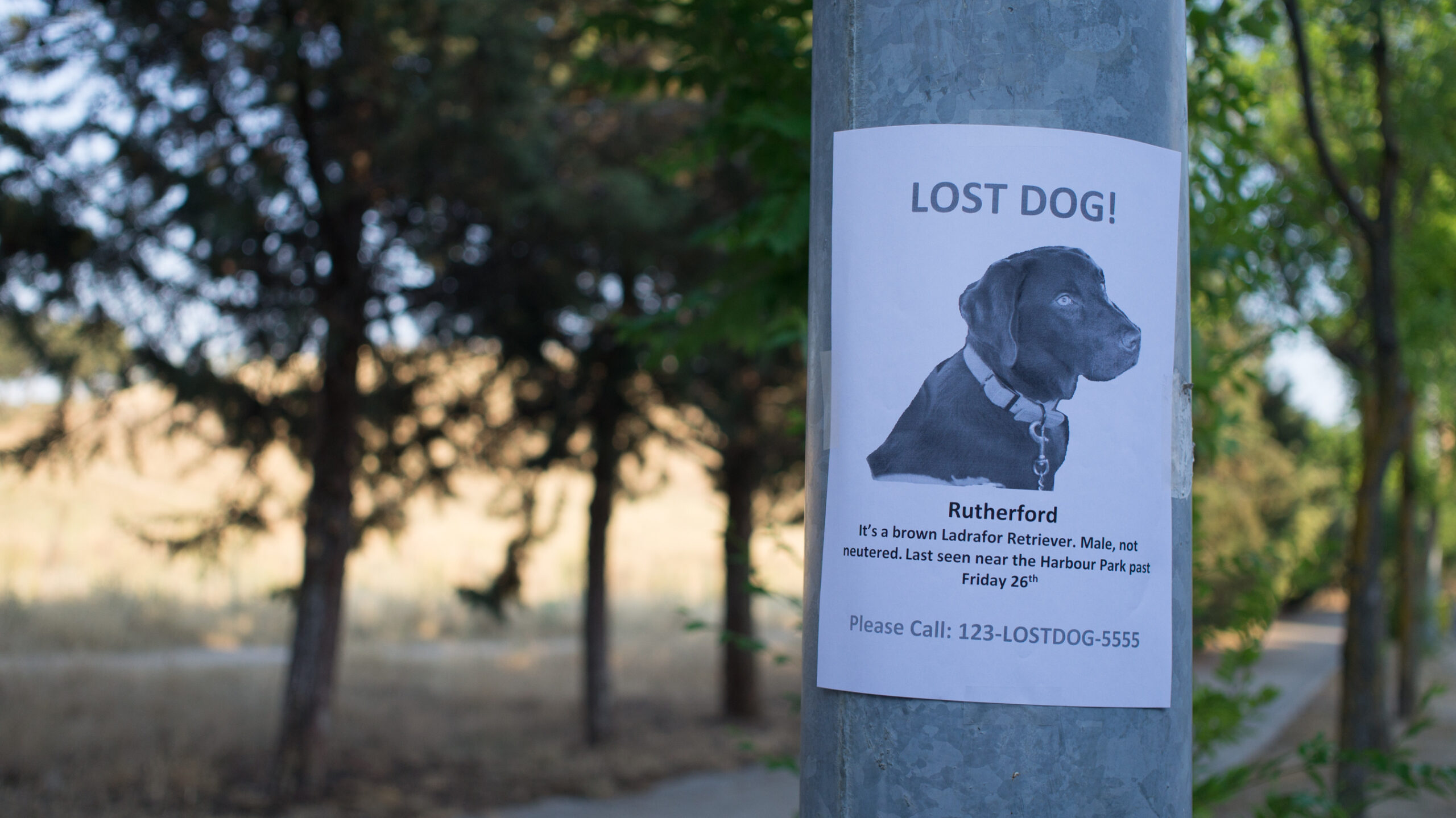
Practical costs mount quickly: printing posters, boosting social-media posts, and taking time off work to comb the streets all add up. Shelters and rescues also feel the strain, devoting limited staff hours to matching found dogs with frantic owners.
Roaming dogs can create safety concerns. Even friendly pets may dart into traffic or startle cyclists, while frightened animals might growl or snap if cornered, leading to injuries for both the dog and the public.
Proven Ways to Turn the Tide
Several straightforward measures can dramatically reduce the number of dogs that stay lost:
1. Microchip early: A tiny chip placed by a vet provides lifelong, tamper-proof identification. Keep the registry details updated whenever you move or change phone numbers.
2. Visible tags: A sturdy collar with a current phone number remains the fastest way for anyone who finds your dog to reach you immediately.
3. Daily habits: Teach a solid recall cue, secure gates after every use, and supervise outdoor time. Short, positive training sessions pay off when instincts kick in.
4. Disaster planning: Keep leashes, carriers, and recent photos in an easy-to-grab spot. If evacuation is necessary, your dog leaves with you, not behind you.
5. Neighborhood networks: Join local online groups, register with community watch pages, and make sure your dog’s photo is recognizable. The more eyes watching, the quicker the reunion.
Conclusion
No single action guarantees a dog will never disappear, but combining identification, training, and community awareness stacks the odds in favor of a safe return. When owners, neighbors, and local organizations work together, the story shifts from heartbreak to homecoming.
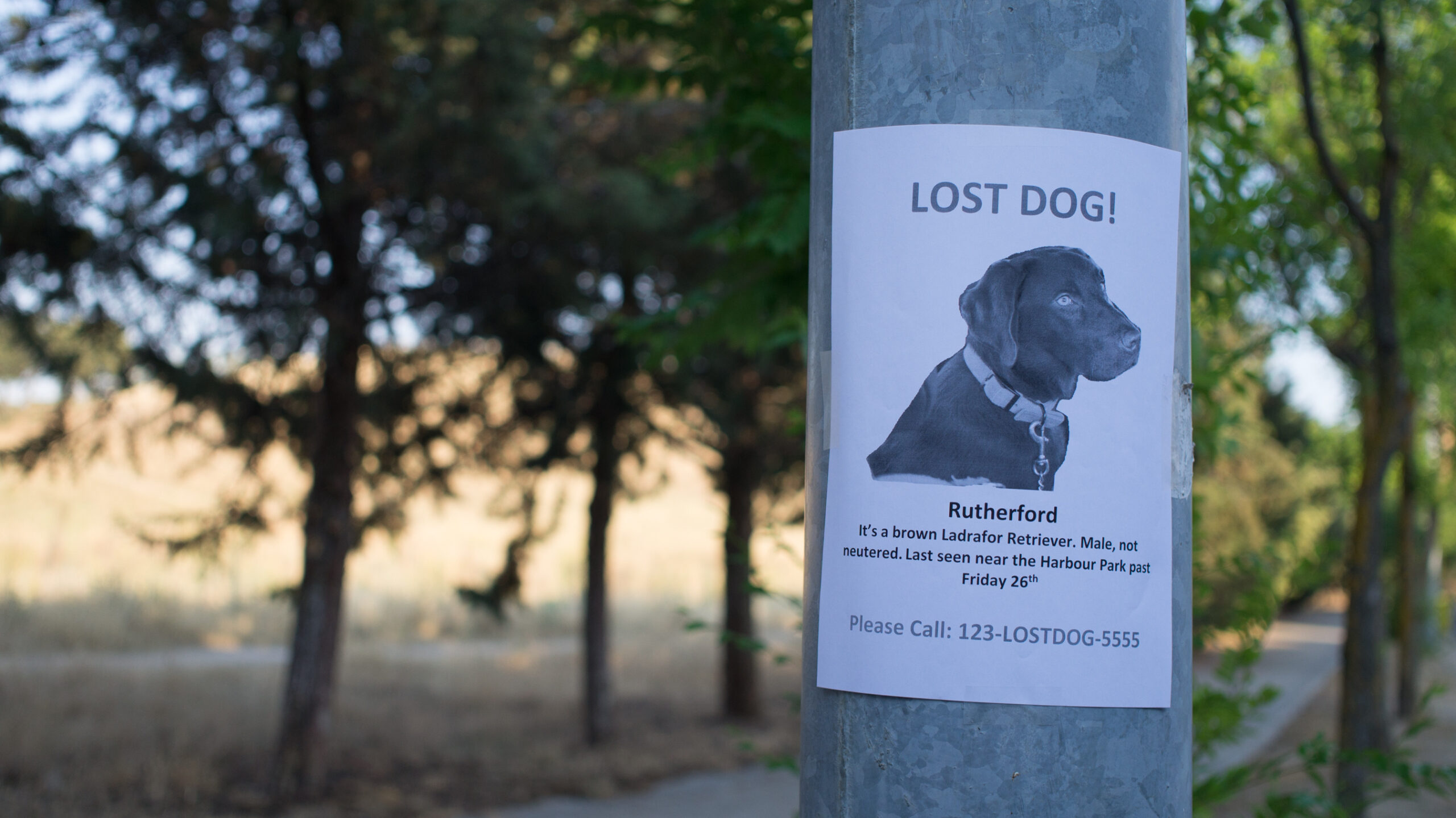
Ultimately, every missing dog reminds us that responsible ownership extends beyond food and affection. It means planning ahead, staying vigilant, and lending a hand when another family’s pet is on the loose. Together, we can turn more lost-dog posters into joyful reunion photos.


