

Title: The Impact of Pets on Human Well-being: A Comprehensive Analysis
Introduction
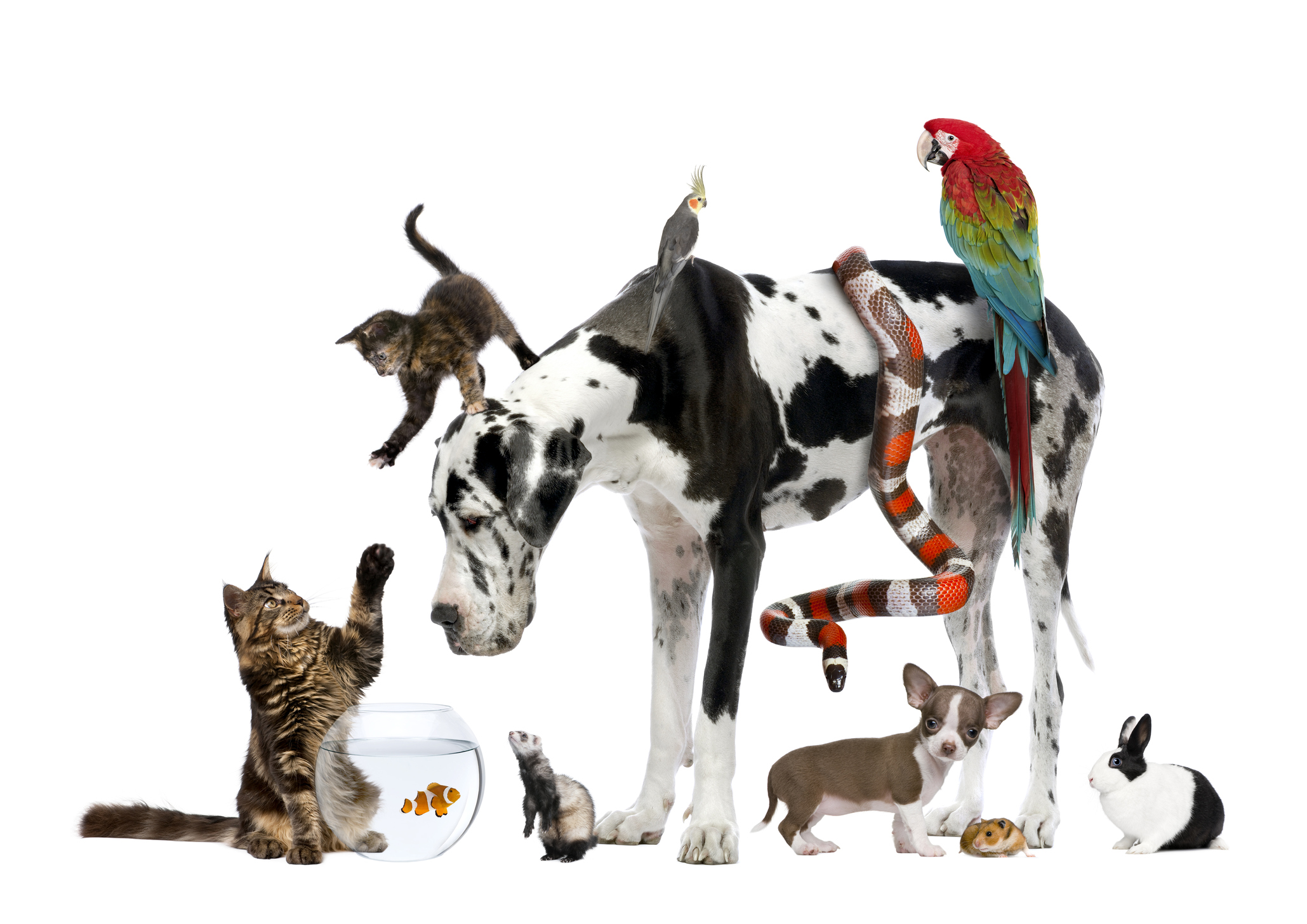
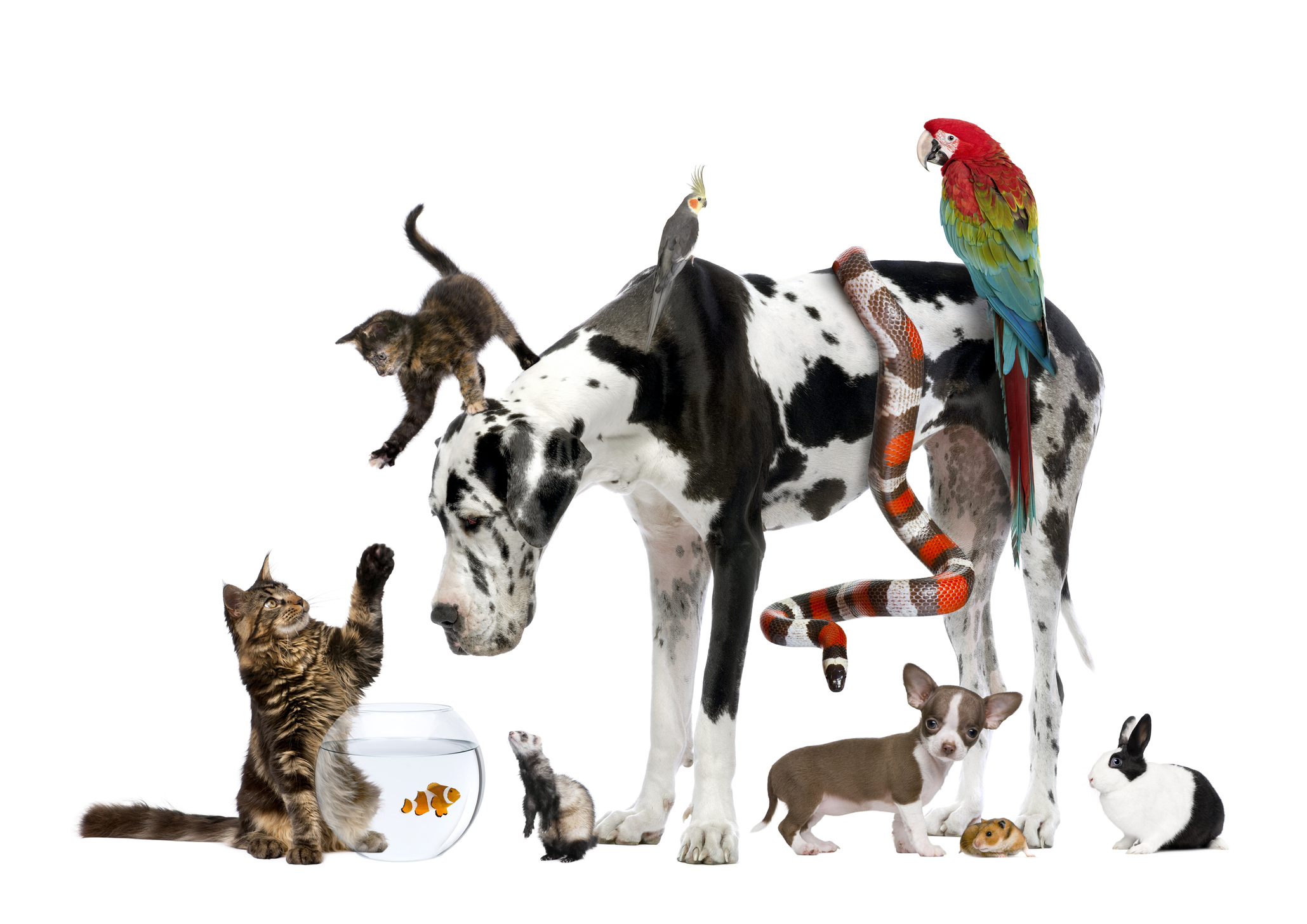
Pets have shared our homes and hearts for thousands of years. Whether it is a playful dog, a curious cat, or a more unusual companion, animals have gradually become woven into the fabric of daily life. This article explores how living with animals can influence overall well-being, highlighting the diverse rewards they bring and the promising avenues still open for study.
Physical Health Benefits of Pets
Regular interaction with animals is often linked to measurable physical perks. Gentle activities such as stroking a pet can promote relaxation, which in turn may support healthy blood pressure and a balanced immune response. The calming rhythm of touch and the steady presence of a trusted animal appear to ease everyday tension.
Animals also encourage movement. Dog guardians, for example, tend to spend more time outdoors, walking or playing, which naturally supports cardiovascular fitness. These shared outings strengthen the body while deepening the bond between human and animal.
Emotional and Psychological Benefits of Pets
Beyond the body, pets nurture the mind. Their steady companionship can soften feelings of loneliness, especially for people who live alone or face limited social contact. A quiet cat on a lap or an enthusiastic dog at the door offers a reassuring sense of presence.
Many therapists now integrate animals into sessions, recognizing the comfort they provide. The non-judgmental acceptance of a pet can help individuals manage worry, low mood, or emotional fatigue. Simply focusing on an animal’s gentle breathing or soft fur can interrupt cycles of negative thought and invite a more hopeful outlook.
Children also benefit. youngsters who grow up alongside animals often practice empathy earlier and learn to read emotional cues in another living being. These early lessons in care and communication can foster resilience and social confidence.
Social Benefits of Pets
Pets double as social bridges. Neighborhood walks frequently turn into friendly chats when two dogs pause to greet one another. Shared stories about quirky habits or training triumphs spark conversations among strangers and acquaintances alike.
For those who feel shy or anxious, an animal can act as a silent ally. The simple presence of a furry friend can lower self-consciousness, making it easier to speak up or accept an invitation. In this way, animals quietly expand human networks.
Conclusion
From encouraging daily exercise to offering emotional comfort and widening social circles, pets enrich life in countless ways. Their influence touches body, mind, and community, reminding us that well-being is often a shared journey across species.
Continued exploration could clarify how these benefits unfold over decades and whether certain animals are especially suited to support particular challenges. Investigating how pets knit neighborhoods together may also inspire programs that foster friendlier, more connected societies.
Ultimately, companion animals are far more than household additions; they are quiet partners in our pursuit of health and happiness. Recognizing and nurturing this timeless bond can lead to kinder communities and more fulfilled lives for both people and the animals who walk beside them.
References
– A balanced overview of human-animal interaction and its biopsychosocial dimensions. Journal of Companion Animal Studies.
– A review of how growing up with pets may shape children’s social development. Anthrozoös.
– A critical examination of pet ownership and psychological well-being. Health Psychology Review.
– An appraisal of the health rewards of sharing life with companion animals. Journal of Veterinary Behavior.

