


The Value of Pet Zones: A Broad Overview
Introduction
Pet zones—designated spaces where animals can play and relax—have become increasingly popular as cities embrace more companion-animal-friendly planning. This overview looks at why these zones matter, touching on wellness perks for both people and animals, stronger neighborhood ties, and greener urban routines. By weighing factors such as exercise, social connection, and habitat care, we can see how thoughtfully planned pet areas enrich daily life.
Health Perks of Pet Zones
Lowering Stress

Spending time with animals in a calm, open setting helps many owners unwind. Gentle activities like fetch or simply watching a dog explore can ease tension and lift mood, offering a welcome break from busy schedules.
Encouraging Movement
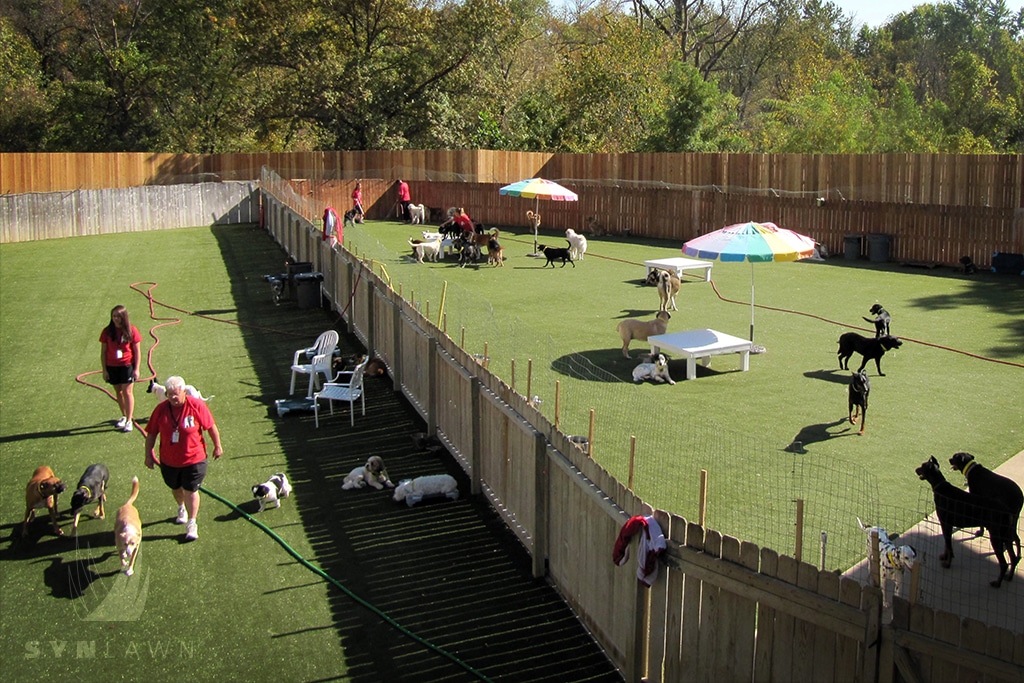
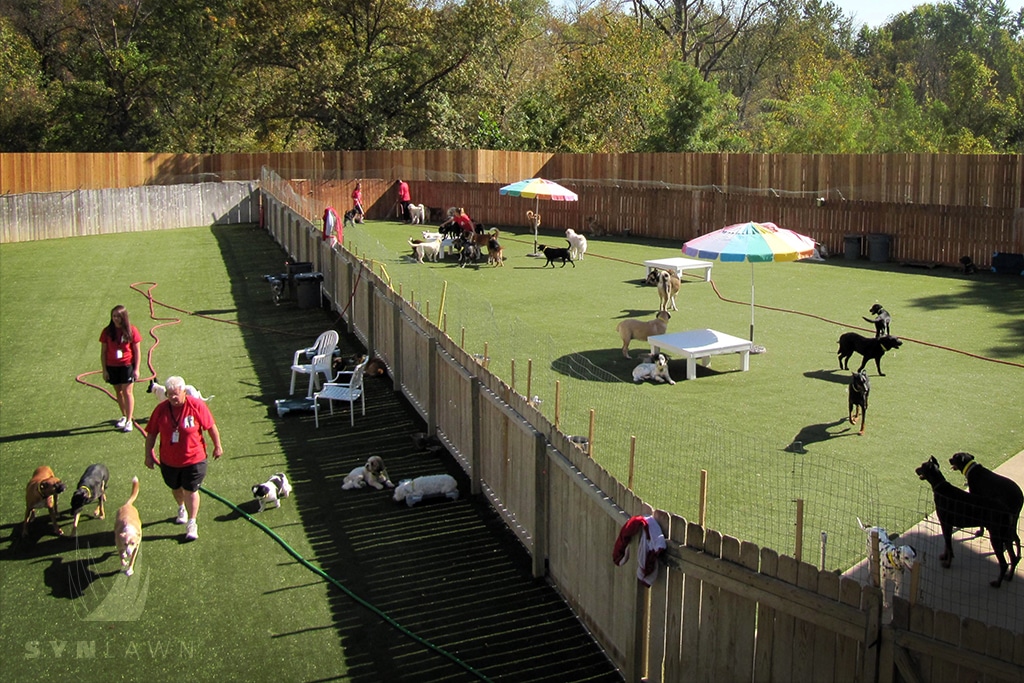
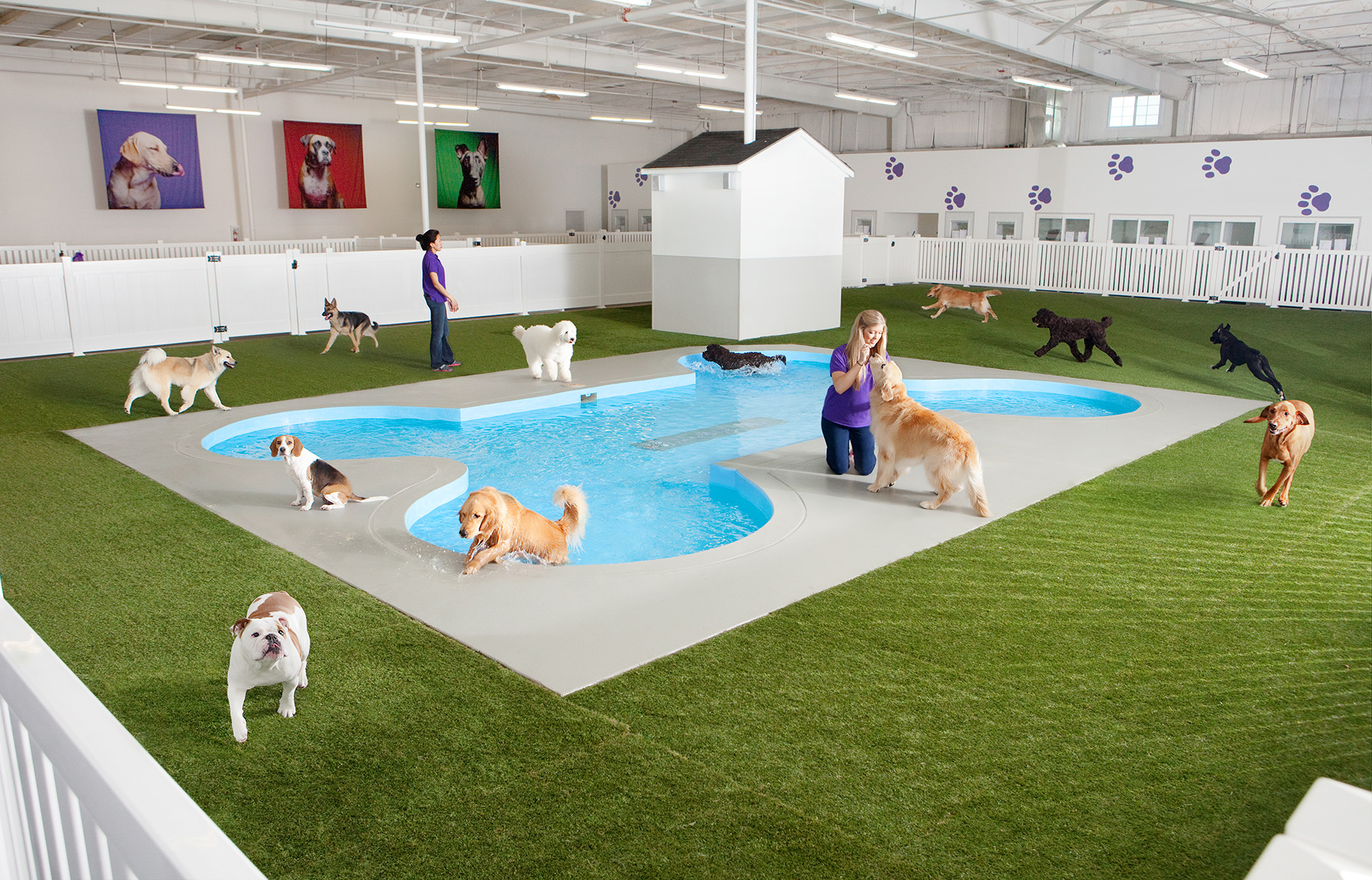
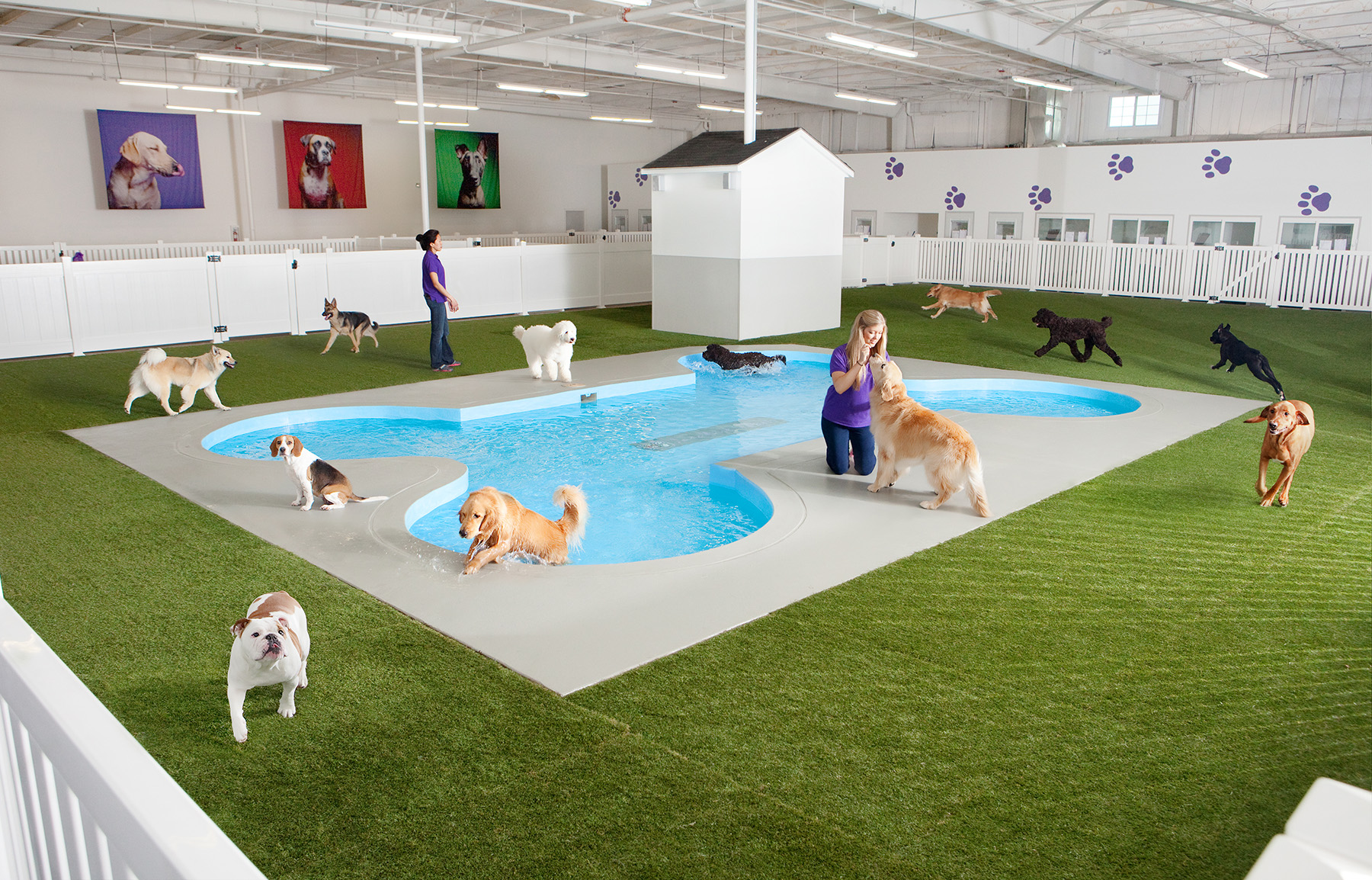
Pet zones invite owners to walk, jog, or play alongside their animals, turning exercise into an enjoyable shared habit. Regular movement supports heart health, joint mobility, and overall energy levels for both species.
Emotional Well-being for Animals
Safe, spacious areas allow pets to sniff, roam, and meet others, preventing boredom and restlessness at home. This freedom often leads to calmer behavior and a brighter demeanor once back indoors.
Social Bonds and Community Life
Creating Meeting Points
When neighbors gather at a local pet zone, casual chats turn into familiar faces, then into friendships. These micro-connections weave a friendlier, more supportive fabric throughout the district.
Welcoming Everyone
Benches at varying heights, smooth pathways, and clear signage make the space easier to navigate for seniors, parents with strollers, and visitors with mobility aids, ensuring no one feels left out.
Environmental Awareness
Responsible Waste Handling
Stocking compostable bags and well-marked bins keeps surrounding streets cleaner and reduces runoff into waterways. Simple signage reminding visitors to scoop and tie bags reinforces the habit.
Supporting Urban Nature
Selecting hardy, native shrubs and grasses around the perimeter offers shelter for birds and pollinators while shading the ground, helping cool the micro-climate and cutting irrigation needs.
Illustrative Examples
Example 1: A Riverside City Park
One riverside park divided its lawn into passive and active sections: quieter corners for small animals to explore, and larger fields for high-energy games. Added fountains and rinse stations keep visitors comfortable, and foot traffic has boosted nearby cafés and shops.
Example 2: A Shared Neighborhood Green
An inner-block green combined raised garden beds with a fenced run. Gardeners and pet owners coordinate schedules, share tools, and co-host seasonal picnics, turning a once-overlooked lot into a lively commons.
Conclusion
Well-maintained pet zones deliver triple dividends: healthier lifestyles, friendlier streets, and lighter ecological footprints. As demand for animal-accommodating cities grows, planners, residents, and local businesses all stand to gain by integrating these inclusive, earth-friendly spaces into future projects.
Suggestions and Next Steps
To build on these gains, communities can:
1. Host short workshops on eco-safe waste practices and positive training tips.
2. Add gentle slopes, tactile paving, and seating rails so users of varied abilities feel welcome.
3. Plant regionally adapted flora that thrives with minimal water, offering shade and habitat year-round.
Long-term studies could track how daily use of pet zones influences public health metrics, social cohesion indexes, and local biodiversity counts, guiding ever-better designs.
References
– General literature on human-animal interaction and urban green space benefits.
– Public health guidelines on physical activity and companion animals.
– Environmental studies regarding native planting and sustainable waste management.
– Community surveys highlighting quality-of-life improvements linked to shared pet facilities.


