


The Blue Boston Terrier: A Friendly Guide
Introduction
The Blue Boston Terrier, a color variation of the classic Boston Terrier, charms families with its sleek silvery-blue coat and warm personality. This overview looks at the breed’s background, looks, temperament, common health topics, and everyday care, offering a clear picture of why these small dogs make such endearing companions.
Historical Background
Boston Terriers first appeared in the United States during the late 1800s, developed from crosses between Bulldogs and now-vanished terrier types. Early breeders aimed for a compact, gentle companion that still carried a touch of terrier spirit. Over time, the distinctive blue-gray coat emerged naturally in some litters and gradually gained admirers, leading to the nickname “Blue Boston.”

Physical Characteristics
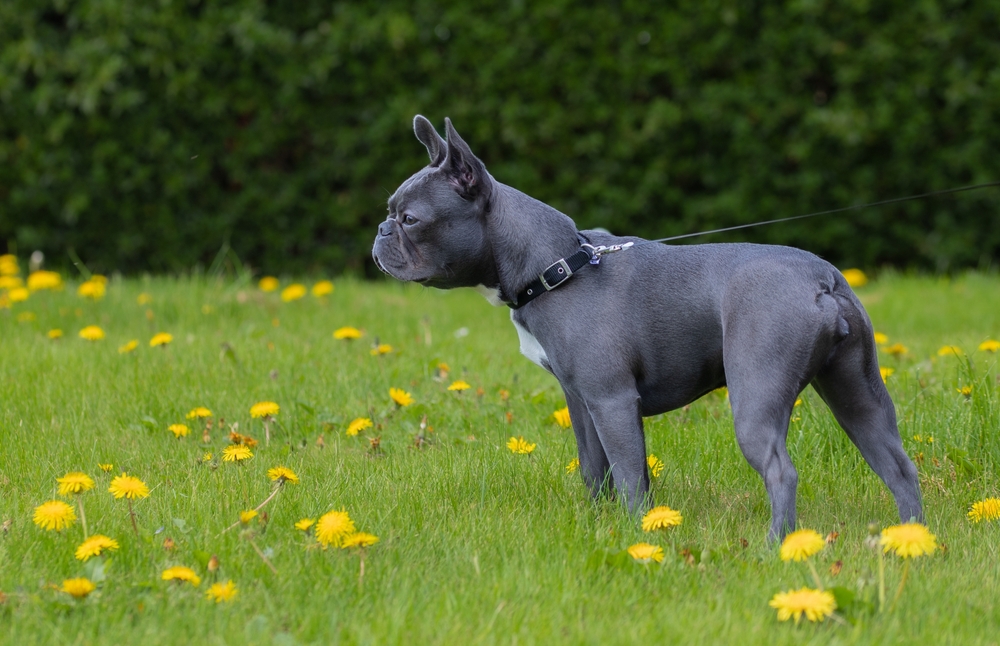
Blue Bostons stand about 15–17 inches at the shoulder and usually weigh 12–25 pounds. Their short, smooth coat ranges from light silver to deep slate, always paired with the breed’s signature white chest flash and dark facial mask. Large round eyes, a square jaw, and upright ears give a bright, alert expression that invites smiles wherever they go.
Temperament and Personality
These dogs thrive on human company. They adapt well to apartment life or larger homes, bond quickly with children, and normally accept other pets when introduced calmly. Intelligent and food-motivated, they pick up basic commands easily, though short, fun sessions work best to keep their attention.
Health Concerns
Like any purebred, Blue Bostons can inherit certain issues. Owners should watch for signs of knee-joint instability, breathing difficulties on hot days, and skin sensitivities. Routine vet visits, weight control, and moderate exercise go a long way toward preventing or minimizing problems.

Role in Society
With their tuxedo markings and comic expressions, Blue Bostons often star in advertisements, social-media clips, and therapy-dog visits. Their approachable size and friendly nature make them natural ice-breakers in hospitals, schools, and community events.
Breeding and Care
Prospective owners are encouraged to seek responsible breeders who health-test parents and raise puppies in clean, social environments. Adoption through Boston Terrier rescues is another excellent route. Once home, the breed needs daily walks, puzzle toys, weekly coat wipes, and regular nail trims. A balanced diet tailored to small, active dogs helps maintain muscle tone and a healthy coat.
Conclusion
The Blue Boston Terrier combines an eye-catching coat with an easy-going personality, fitting comfortably into many lifestyles. Thoughtful breeding, preventive healthcare, and plenty of affection ensure these little dogs continue to brighten households for years to come.
Future Research Directions
Continued studies on genetics, breathing efficiency, and coat-color-linked skin conditions can help breeders produce even healthier litters. Meanwhile, surveys on training methods and activity preferences may guide owners toward routines that keep Blue Bostons both physically fit and mentally satisfied.


