The Great Debate: Dog vs Cat Paw – A Comparative Analysis
Introduction
The friendly rivalry between canine and feline lovers often circles back to the smallest details—like the design of a paw. Beneath the fur lie two very different blueprints, each tuned by time to meet the demands of survival, play, and companionship. This overview explores how dog and cat paws are built, how they evolved, and why they matter in everyday life.
Anatomical Differences
Dog Paw
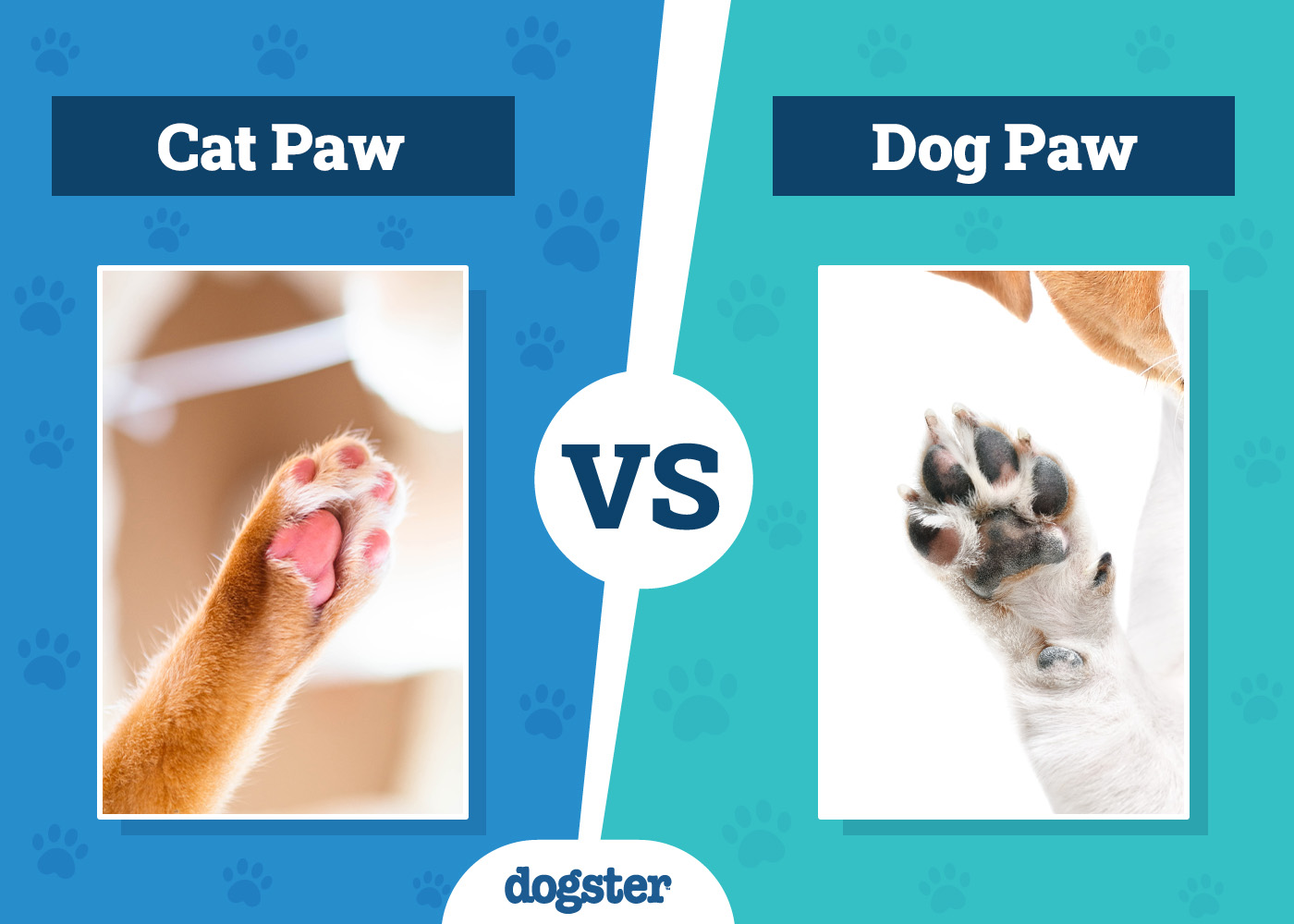
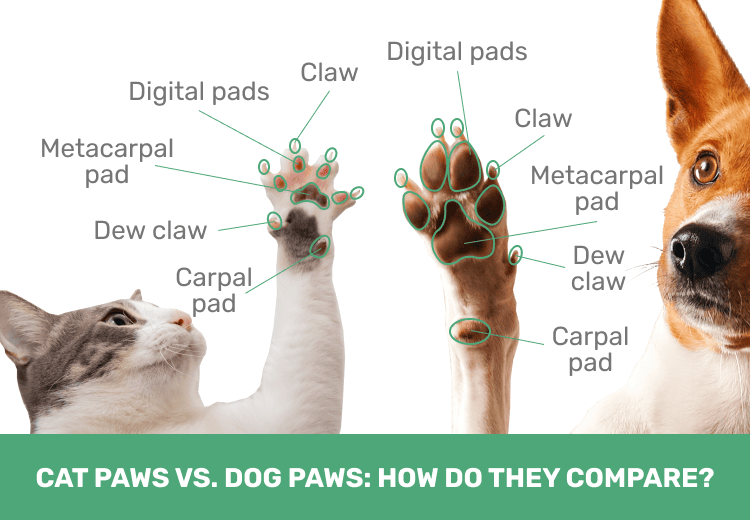
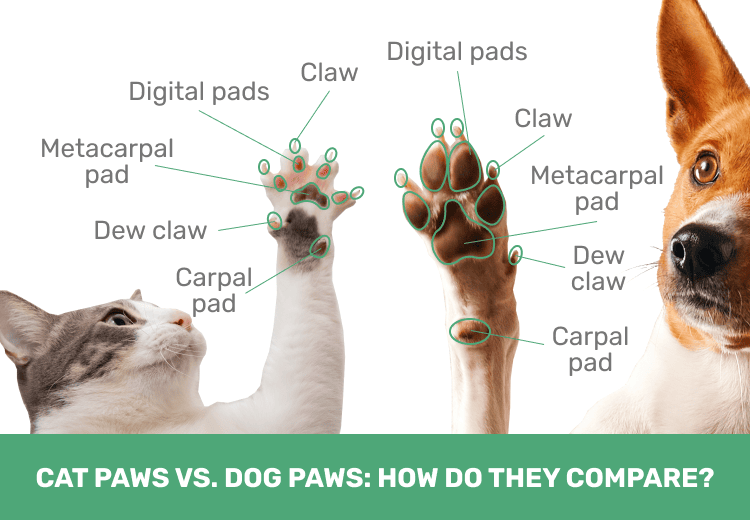
A dog’s paw is a multi-tool: four weight-bearing toes plus a dewclaw sit atop thick, shock-absorbing pads. The claws are always exposed, giving steady grip on turf or trail, while the digital pads act like built-in sneakers, spreading impact across uneven ground.
Cat Paw
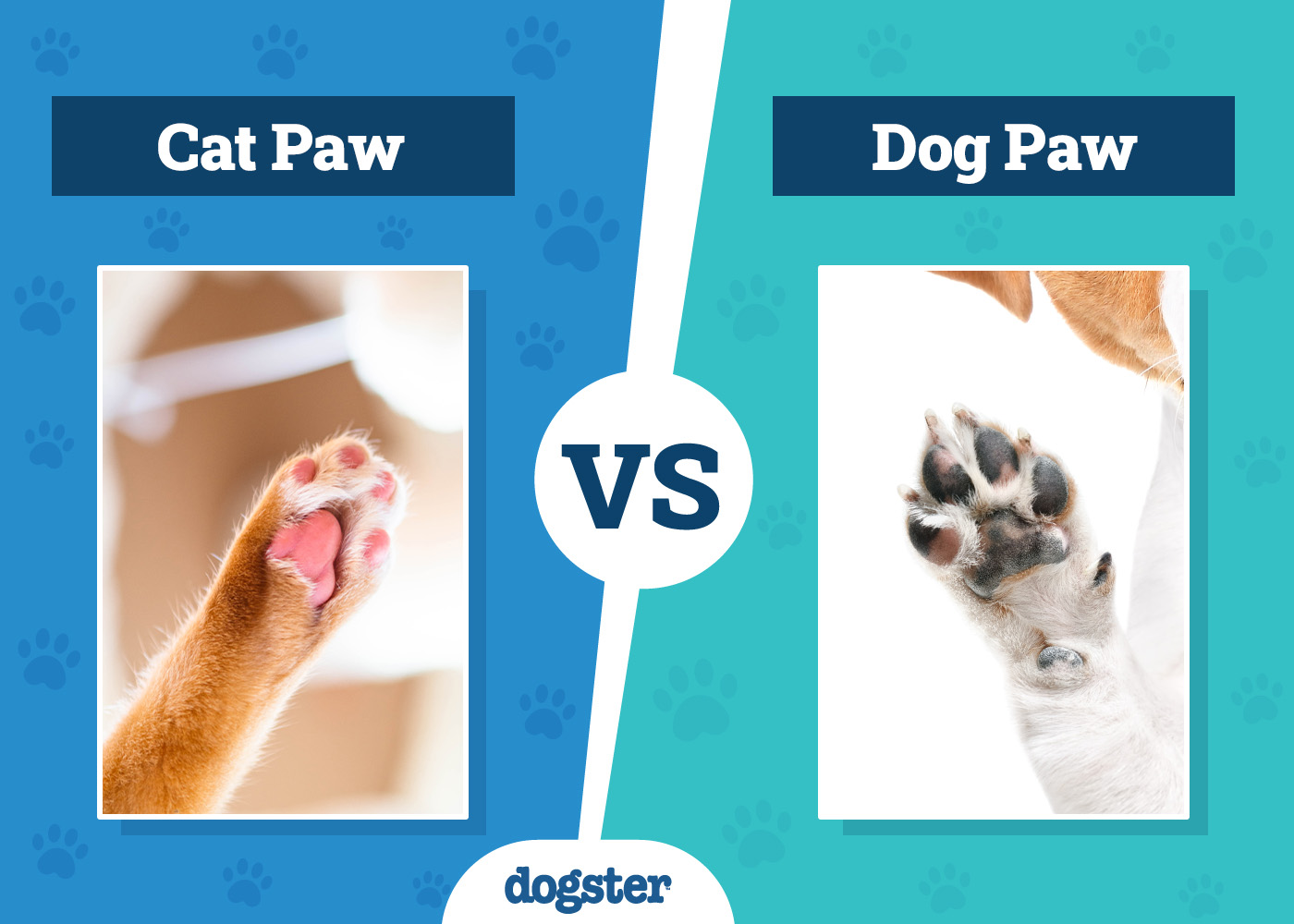
Cats walk on a similar five-toe layout, but their claws vanish into sheaths when not in use. This retraction keeps the nails razor-sharp for climbing or a quick sprint up a tree. The pads are softer and more compact, offering a quiet, velvety step that aids stealth.
Evolutionary Aspects
Dogs
From open plains to backyard patios, dogs have roamed alongside people for millennia. Their paws widened and toughened to handle long treks, sudden turns, and the occasional dig for buried treasure.
Cats
Cats refined their paws for a life of calculated leaps and ambush. Retractable claws and sensitive paw pads evolved to support short bursts of speed and pinpoint landings on narrow branches or fence rails.
Practical Applications
Dog Paw
Rough trails, hot sidewalks, or snowy paths—dog paws adjust. The exposed claws add traction, while the thick pads insulate against temperature swings and give feedback about the terrain underfoot.
Cat Paw
Indoor curtain climb or outdoor fence patrol, the cat paw excels at vertical ventures. The retractable claw system spares wear and tear, and the paw’s high nerve density turns each step into a detailed map of surroundings.
Conclusion
Different journeys shaped each paw. Dogs received an all-terrain package built for endurance and variety; cats earned a precision instrument geared for stealth and agility. Recognizing these contrasts deepens our respect for both companions and the evolutionary paths that brought them into our homes.
Future Research
Scientists continue to probe paw pad genetics, gait mechanics, and the role of habitat in shaping foot form. Such studies promise fresh clues about locomotion health and may even inspire new materials in robotics and prosthetics.
In the end, the simple paw reminds us that even the smallest anatomical choices can echo through centuries, giving every wag or silent pounce its perfect footing.