Exotic Pitbull Dog: A Distinctive Companion with a Mixed Reputation
Introduction
The exotic pitbull, sometimes called the designer bully, has attracted growing interest across continents. Though opinions about it remain divided, the variety enjoys a loyal fan base and a colorful back-story. This overview outlines its looks, background, and the hurdles enthusiasts face, while clearing up widespread myths.
Characteristics of the Exotic Pitbull
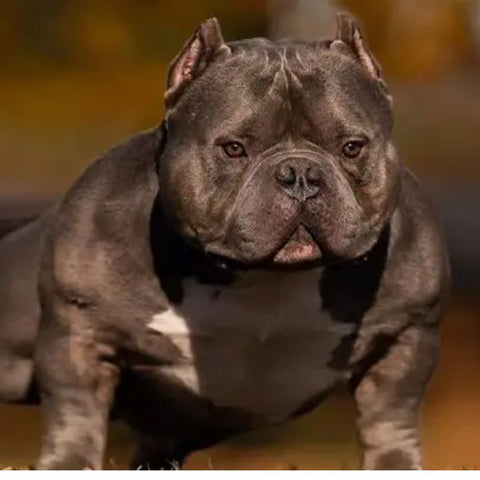
Most lines blend classic bully breeds—think American Pit Bull Terrier, Staffordshire Bull Terrier, and Bull Terrier—with other stock selected for shorter stature, wider chest, or unique coat shades. The result is a compact, eye-catching dog that stands out at the park.
Appearance
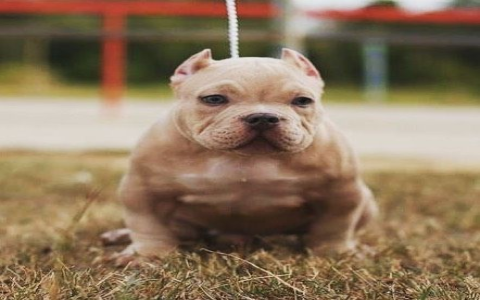
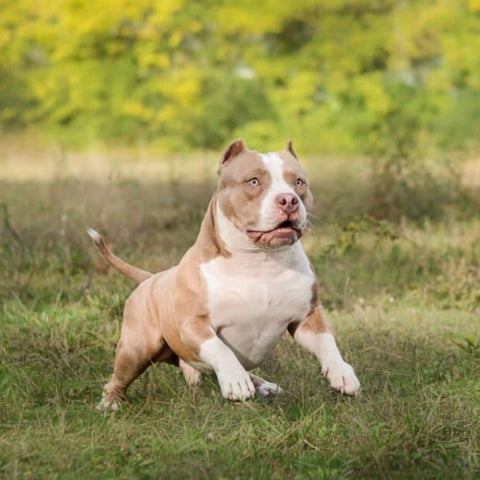
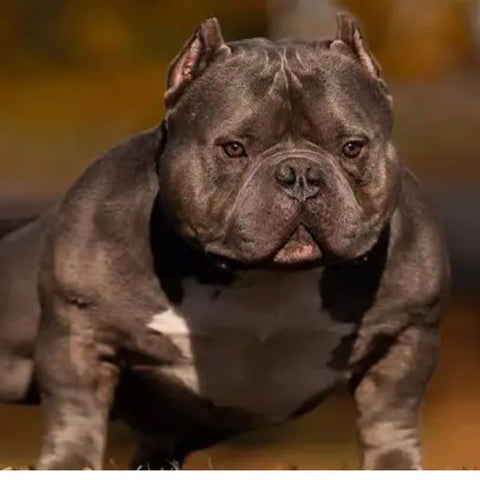
Expect a broad skull, pronounced cheeks, and a low, powerful center of gravity. Coats are short, glossy, and arrive in almost every color, from blue-fawn to tri-tone patches. Ears may stand naturally or be cropped; tails are left long or shortened according to local custom.
Temperament
Devoted, quick to learn, and eager to stay close to its people, the exotic bully thrives on daily exercise and brain games. Left under-stimulated, it can become pushy; consistent guidance and early meet-ups with strangers, children, and other dogs usually keep manners in check.
Origins of the Exotic Pitbull
Breeders in several countries began crossing lines during the late twentieth century, aiming to keep the confident outlook of working bullies while softening intensity and downsizing frame. Decades of selective mating produced the spectrum of “pocket,” “standard,” and “XL” sizes seen today.
Misconceptions and Challenges
Headlines linking any bully-type dog to incidents can tar every short-haired, wide-headed breed with the same brush. In truth, behavior stems from an interplay of inheritance, upbringing, and daily management.
Misconceptions
No gene guarantees hostility. Problems usually trace back to neglect, harsh handling, or skipped lessons in basic obedience. Well-socialized representatives often earn Canine Good Citizen certificates and work happily as therapy visitors.
Challenges
Insurance restrictions, breed-specific legislation, and wary landlords can complicate everyday life. Owners frequently invest extra time hunting for pet-friendly housing and liability coverage, tasks that demand patience and paperwork.
The Role of Responsible Ownership
Early classes, clear rules, and plenty of positive experiences mold a steady adult. Secure fencing, leash compliance, and supervised play protect both the dog and the neighborhood, slowly shifting public opinion toward acceptance.
Conclusion
The exotic pitbull is neither monster nor miracle; it is simply a dog that flourishes under informed, committed care. By valuing training over stereotype, communities can judge individuals by actions rather than appearance, giving responsible guardians and their pets the fair chance they deserve.
Future Research
Long-term studies on hereditary health, the impact of early socialization, and the effectiveness of reward-based training could refine best practices. Sharing open data may help lawmakers craft balanced policies, ensuring that every well-mannered dog—whatever its shape—finds a safe, welcoming home.