

Boston Terrier Puppies: A Friendly Guide
Introduction
The Boston Terrier wins hearts with its compact frame, tuxedo-style coat, and sociable personality. Warm regions with plenty of outdoor cafés and dog-friendly parks have made the breed especially popular among city dwellers and suburban families alike. This overview walks you through what to expect from a Boston Terrier puppy, how to welcome one responsibly, and how to keep that wagging tail healthy and happy.
Breed Characteristics
Appearance

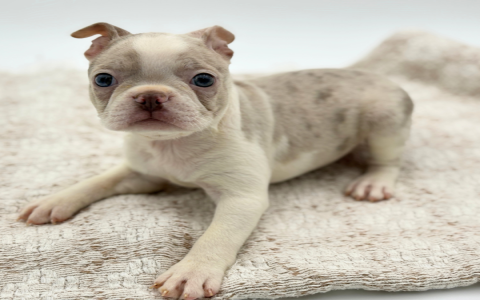
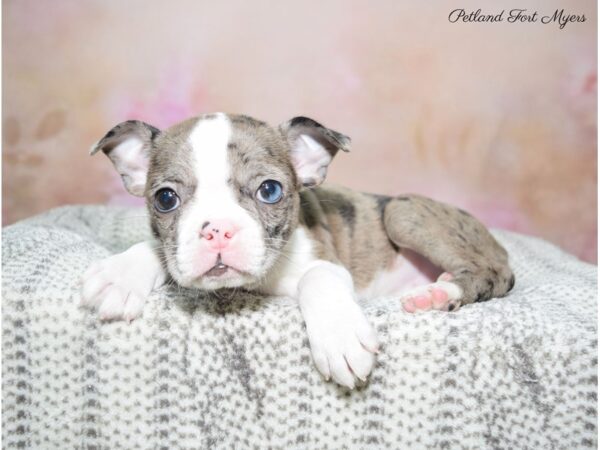
These small, sturdy dogs carry a square silhouette and a short, glossy coat that is usually black and white or brindle and white. Erect ears and a short muzzle give them an alert, friendly expression. Adults generally stand 15–17 inches at the shoulder and weigh 10–25 pounds, making them easy to lift yet tough enough for lively play.
Temperament
Boston Terriers live up to their nickname, “the American Gentleman.” They are affectionate with children, polite with other pets, and eager to please their people. Quick learners, they pick up cues fast but can show a stubborn streak, so calm, consistent guidance works best.
Health
While robust overall, the breed can inherit knee, eye, or dental issues. Routine vet visits, weight control, and good dental hygiene go a long way toward preventing trouble.
Adoption Process

Finding a Responsible Source
Whether you choose a breeder or a rescue, look for transparent health records, clean facilities, and adults who greet visitors with wagging tails. Ask about genetic screening, vaccination schedules, and return policies; ethical providers welcome questions.
Meeting the Puppy
Spend time observing the litter. Puppies should be curious, neither shy nor hyper-aggressive. Watch them interact with littermates and with people to gauge emerging personalities.
Health Checks and Paperwork
Confirm that the puppy has received age-appropriate shots and deworming. Request a health guarantee and a clear contract that outlines spay-neuter expectations and lifetime support.

Caring for Boston Terrier Puppies
Nutrition
Offer a balanced puppy formula divided into three or four small meals a day. Fresh water should always be available, and treats should stay below ten percent of daily calories to avoid weight gain.
Exercise
Two brisk walks and a few play sessions usually satisfy their energy needs. Avoid strenuous activity in hot, humid weather because their shorter muzzles make cooling off harder.
Grooming

A quick weekly brush keeps the coat sleek. Wipe facial folds gently to prevent irritation, trim nails monthly, and introduce tooth-brushing early to build good habits.
Training
Start socialization during the critical first three months: car rides, different floor textures, friendly strangers, and well-mannered dogs. Reward desired behaviors with praise and tiny treats; keep sessions short and upbeat.
Conclusion
A Boston Terrier puppy can slot perfectly into many lifestyles, provided you offer consistent care, gentle training, and plenty of affection. Choose a reputable source, stay proactive about health, and enjoy the companionship of this dapper little dog for years to come.
Future Research
Ongoing studies into hereditary conditions and early-learning protocols will help breeders and owners refine best practices, ensuring future generations of Boston Terriers remain as healthy and well-mannered as they are charming.


