


The Importance of Cat Adoption: A Comprehensive Analysis
Introduction
Adopting a cat has become an increasingly popular way to give homeless felines a second chance while easing the strain on overcrowded shelters. This article explores why adoption matters, how it transforms the lives of cats and their new families, and the wider ripple effects on communities. By looking at the practice from several angles, we can see why choosing to adopt is both compassionate and practical.
The Problem of Animal Overpopulation
Shelters across the country take in countless cats every year, many of whom were lost, abandoned, or born on the streets. When these facilities reach capacity, resources run thin and vulnerable animals face uncertain futures. Adoption opens up kennel space, allowing staff to rescue more cats and provide each one with the care and attention they deserve.
Benefits of Cat Adoption for Cats
A shelter cat that finds a home gains safety, stability, and affection. Most adoption packages include spay or neuter surgery, which prevents future litters and supports population control. Routine vaccinations, parasite treatments, and a basic health check are also standard, so the cat begins its new life on a solid medical footing.
Benefits of Cat Adoption for Adopters
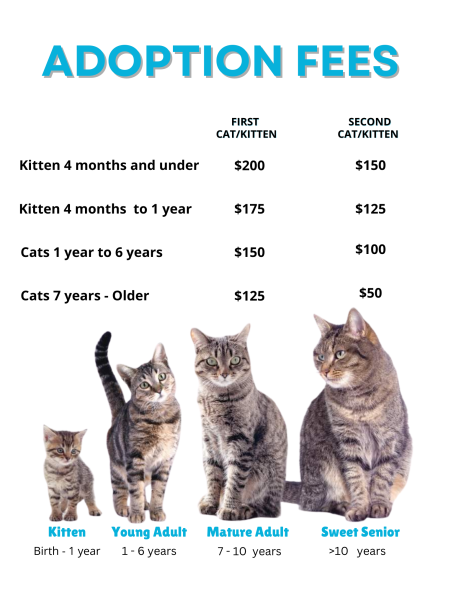
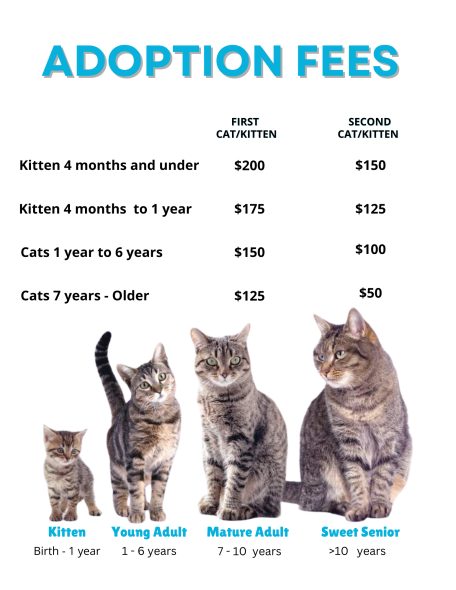
Families who open their doors to a rescued cat often discover a loyal companion. The gentle presence of a feline can ease stress, lift spirits, and add daily moments of joy. Adoption fees are usually modest and typically cover initial veterinary services, making the process more affordable than buying from commercial sources.
The Role of Shelters and Rescue Organizations
Rescue groups and shelters serve as vital bridges between cats in need and caring homes. Staff and volunteers provide daily care, medical treatment, and socialization, while outreach events and online profiles introduce adoptable animals to the public. By working with local veterinarians, businesses, and community centers, these organizations expand their reach and build a culture of adoption.
Challenges and Considerations
Bringing a cat home is a long-term commitment that requires time, patience, and resources. Prospective guardians should budget for food, litter, routine check-ups, and unexpected medical needs. Some cats may need extra help adjusting to a new environment or overcoming past trauma, so understanding feline behavior and providing consistent care are essential.
The Impact of Cat Adoption on Society
When more cats leave shelters through adoption, public facilities operate more efficiently and community animal-control costs decline. Beyond economics, adoption nurtures empathy and responsible pet ownership, encouraging neighbors to value and protect all living creatures.
Conclusion
Choosing to adopt a cat tackles overpopulation, enriches the adopter’s life, and strengthens communal bonds. Shelters and rescue teams make this choice possible through dedicated care and outreach. Although adoption carries responsibilities, the rewards—for the cat, the family, and society—are profound and lasting.
Recommendations and Future Research
To amplify the positive effects of cat adoption, the following steps are suggested:
1. Launch broad public-education campaigns that highlight the benefits of adopting and the ongoing needs of shelter animals.
2. Foster collaboration among shelters, veterinarians, and neighborhood groups to make adoption events and follow-up services more accessible.
3. Offer new adopters guidance packets, helplines, and affordable veterinary options to ensure cats stay healthy and secure in their homes.
Future studies could examine:
1. How living with a rescued cat influences human emotional well-being over the long term.
2. Which adoption strategies most effectively reduce feline homelessness.
3. The broader environmental and social sustainability gains linked to widespread adoption practices.


