

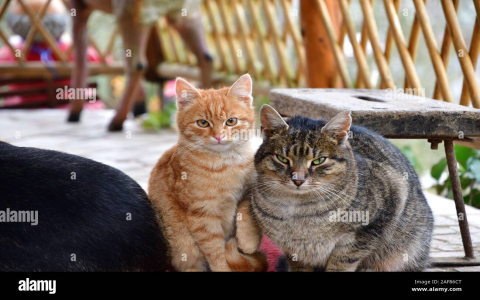
The Unlikely Bond: Cat and Dog Best Friends
Introduction
The relationship between cats and dogs has long intrigued pet lovers and researchers alike. Although popular belief often paints them as natural rivals, many households witness heart-warming friendships that last for years. This article looks at why some cats and dogs become close companions, the advantages their friendship brings, and what science says about these surprising partnerships.
The Nature of Cat and Dog Best Friends
1.1 The Surprising Compatibility
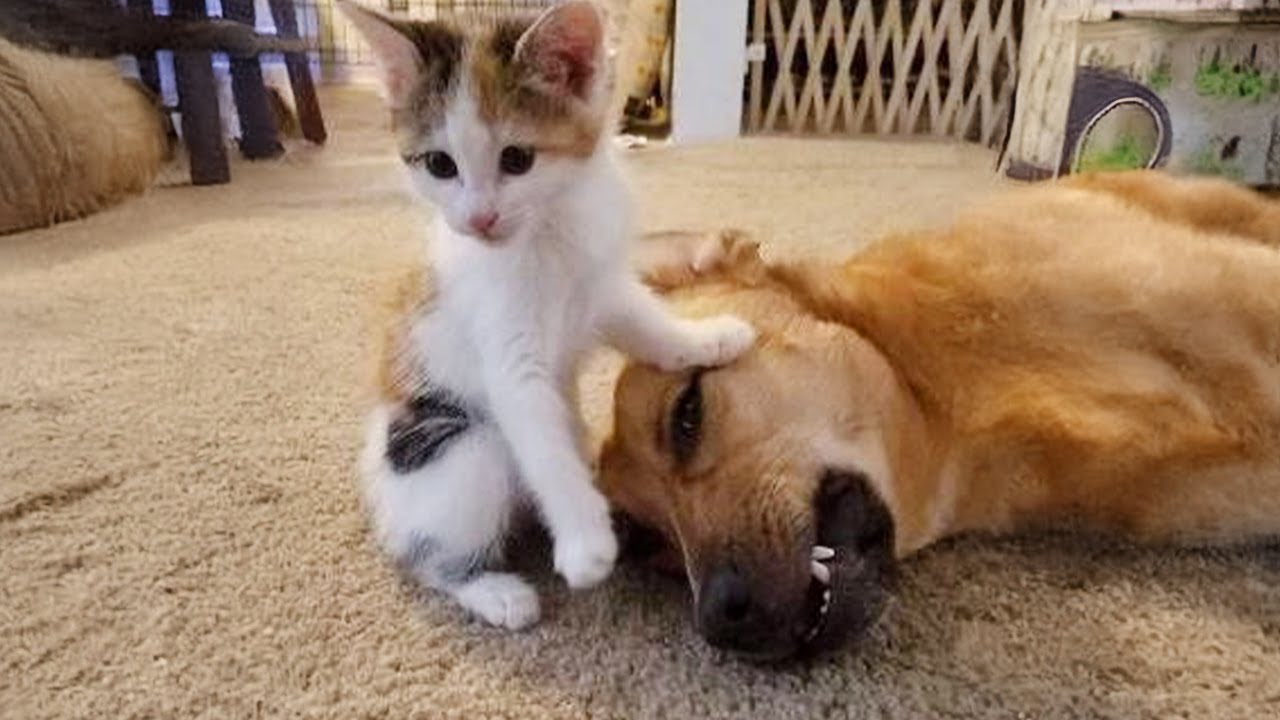
Cats are usually seen as independent and selective, whereas dogs tend to be outgoing and eager to please. Rather than clashing, these contrasting traits can balance one another, creating a calm and mutually rewarding dynamic under the same roof.
1.2 Factors Contributing to the Bond
Several elements help a cat and dog form a lasting friendship:
– Shared Environment: Growing up together allows familiar scents and routines to build trust.
– Personality Match: A relaxed dog and a confident cat often adjust to each other more quickly.
– Early Socialisation: Positive experiences during the first months of life teach both species to read each other’s signals.
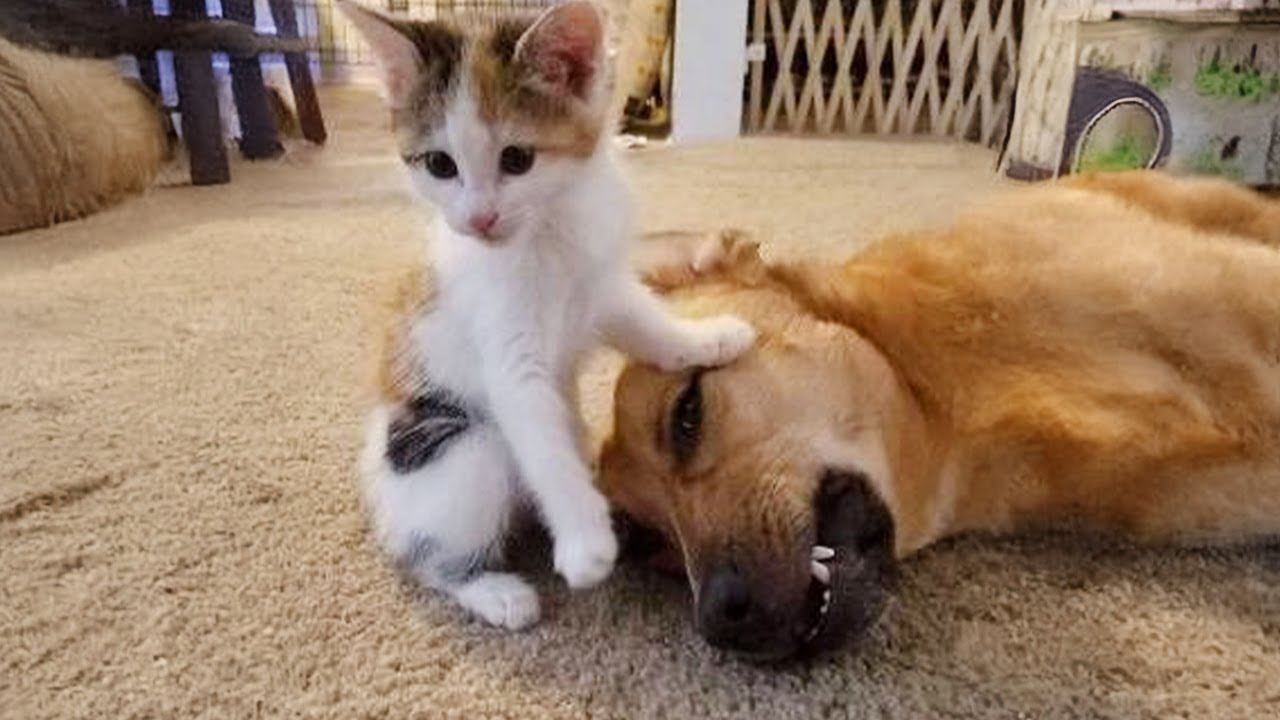
– Guided Introductions: Calm, supervised meetings set by caregivers encourage curiosity instead of fear.
The Benefits of Cat and Dog Best Friends
2.1 Emotional Support
A friendly companion can reduce anxiety for both animals. Gentle grooming, synchronized napping, or simply sharing the same sunny spot offers comfort during loud noises, vet visits, or periods of change.
2.2 Health Benefits
Dogs may play more often when a feline friend initiates a chase, supporting healthy weight and joint mobility. Cats, in turn, can exhibit lower stress hormones when a trusted dog is nearby, leading to steadier appetite and coat condition.

2.3 Social Benefits
Regular, peaceful interaction teaches dogs softer movements and restraint, while cats often become more receptive to human handling and new guests after positive exposure to a sociable dog.
Scientific Evidence Supporting Cat and Dog Best Friends
3.1 Observational Studies
Field notes from multi-pet homes show that animals introduced before their first birthday are significantly more likely to rest side-by-side and share food areas without conflict, indicating an established bond.
3.2 Behavioural Research
Controlled experiments reveal that dogs experiencing mild stress recover faster when allowed to approach a familiar cat, suggesting the feline presence acts as a social buffer.
Case Studies: Real-Life Cat and Dog Best Friends
4.1 The Story of Whiskers and Max
From the day they met, a curious tabby and an easy-going retriever explored the backyard in tandem, traded toys, and curled up on the same cushion each night, delighting their guardians with their constant teamwork.
4.2 The Adventures of Luna and Buddy
A silky cat and a gentle hound were introduced as youngsters. Over time they developed a daily ritual of sofa naps followed by hallway sprints, appearing to balance each other’s energy levels perfectly.

Conclusion
Close cat-dog friendships challenge outdated stereotypes of inevitable conflict. When animals grow up together, display compatible temperaments, and receive thoughtful guidance, they can form dependable, affectionate ties that improve everyday life for the entire household.
Recommendations and Future Research
5.1 Recommendations for Pet Owners
Those hoping to nurture a cat-dog friendship might consider:
– Gradual Introductions: Begin with scent swapping and short, calm sessions behind a barrier before face-to-face meetings.

– Positive Reinforcement: Reward relaxed behaviour with treats or play to build pleasant associations.
– Safe Zones: Provide elevated perches for the cat and quiet corners for the dog so each pet can retreat at will.
5.2 Future Research Directions
Upcoming studies could investigate:
– Long-term health outcomes for interspecies pairs versus single-pet households.
– The influence of early-life experiences and breed tendencies on bonding success.

– Effects of harmonious cat-dog friendships on caregiver stress and family routines.
In summary, affectionate cat-dog relationships showcase the adaptability of companion animals. By understanding and encouraging these bonds, owners can create happier homes and deepen the human-animal connection.


