


The Interaction of Dog and Cat: A Comprehensive Analysis
Introduction
The way dogs and cats relate to one another has long intrigued pet lovers and animal specialists. This article explores the subtle dance between the two species, looking at why they act as they do, what can be gained or lost, and what science tells us about keeping both under one roof.
The Nature of Dog and Cat Interaction
1.1 Differences in Social Structure
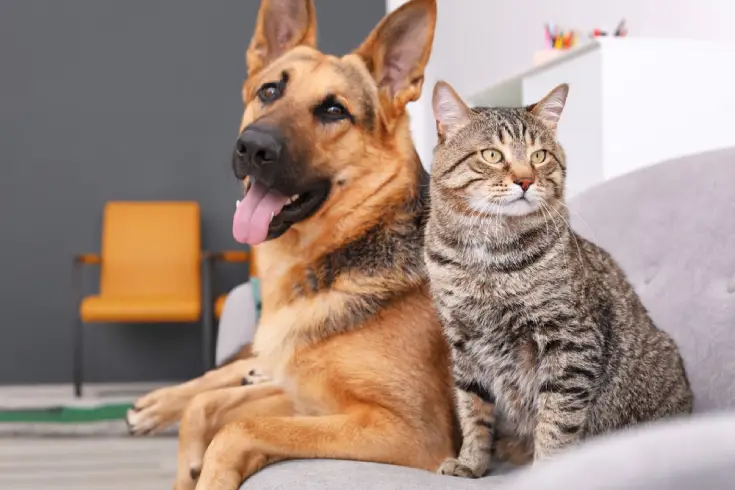
Dogs descend from pack-living ancestors and still lean on clear rankings and teamwork, while cats stem from solitary hunters that prize personal space and territory. These differing blueprints shape every greeting, chase, or nap they share.
1.2 Communication Styles
A dog’s chatty tail, open mouth, and wide range of barks contrast with a cat’s quieter swish of the tail, slow blinks, and brief chirps. Because each species reads the other’s signals imperfectly, misunderstandings can spark quickly.
The Reasons Behind Dog and Cat Interaction
2.1 Evolutionary Factors
Thousands of years of domestication have pushed both predators into human homes, forcing them to negotiate shared food bowls, sofas, and laps. Over time, flexible individuals on both sides learned to tolerate, then sometimes befriend, the other.
2.2 Human Influence
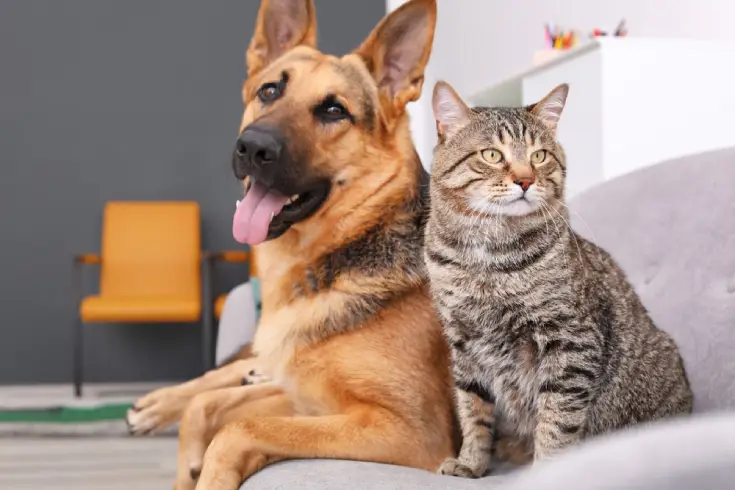
Owners who choose a multi-species household set the stage for daily negotiations. How people introduce the pets, reward calm behavior, and manage resources largely decides whether the pairing flourishes or flounders.
The Benefits of Dog and Cat Interaction
3.1 Companionship
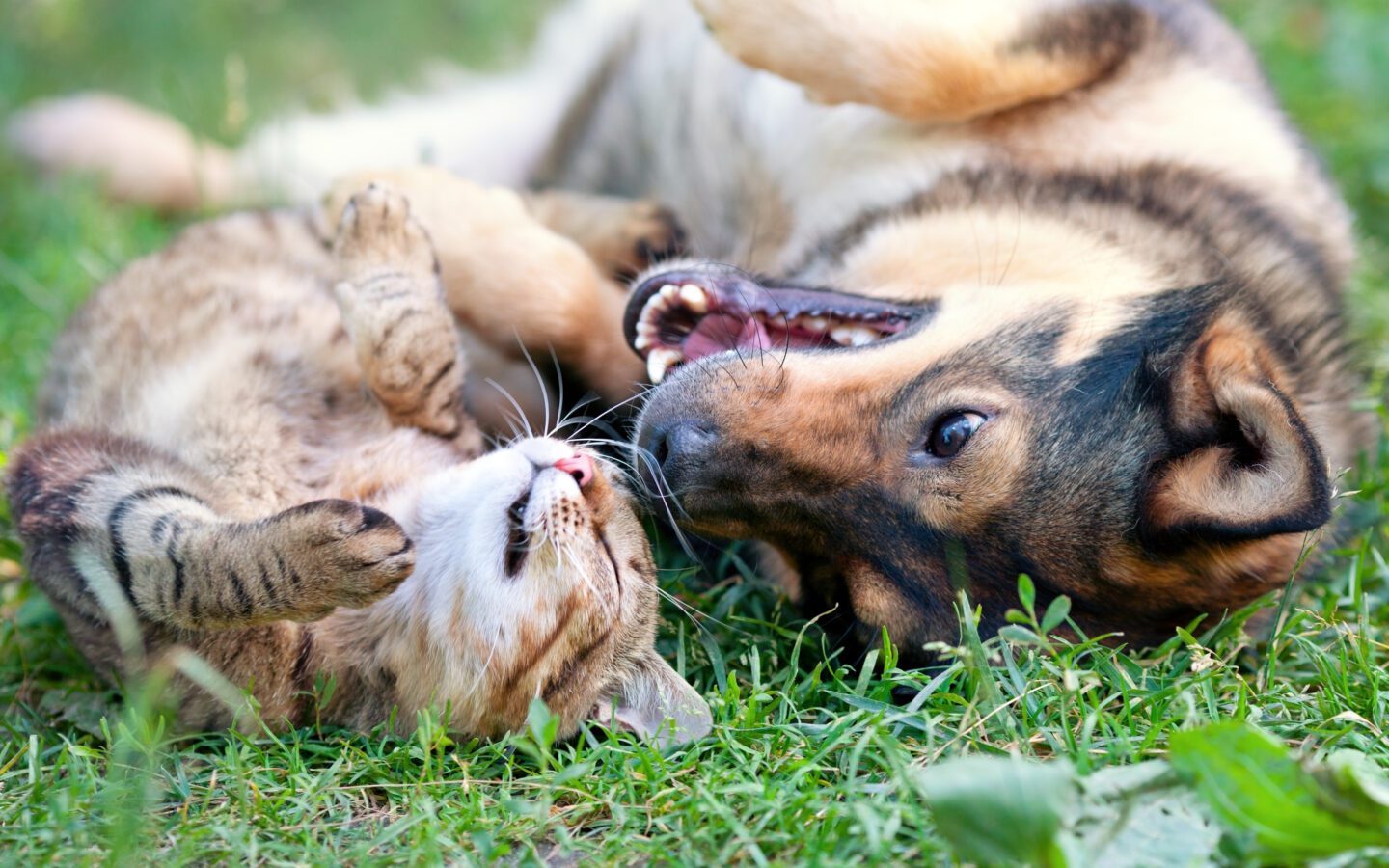
A confident dog can become a playmate or warm pillow for a cat, while a relaxed cat can teach a pup the art of the graceful exit. Mutual company often lowers boredom and the need for constant human attention.
3.2 Socialization
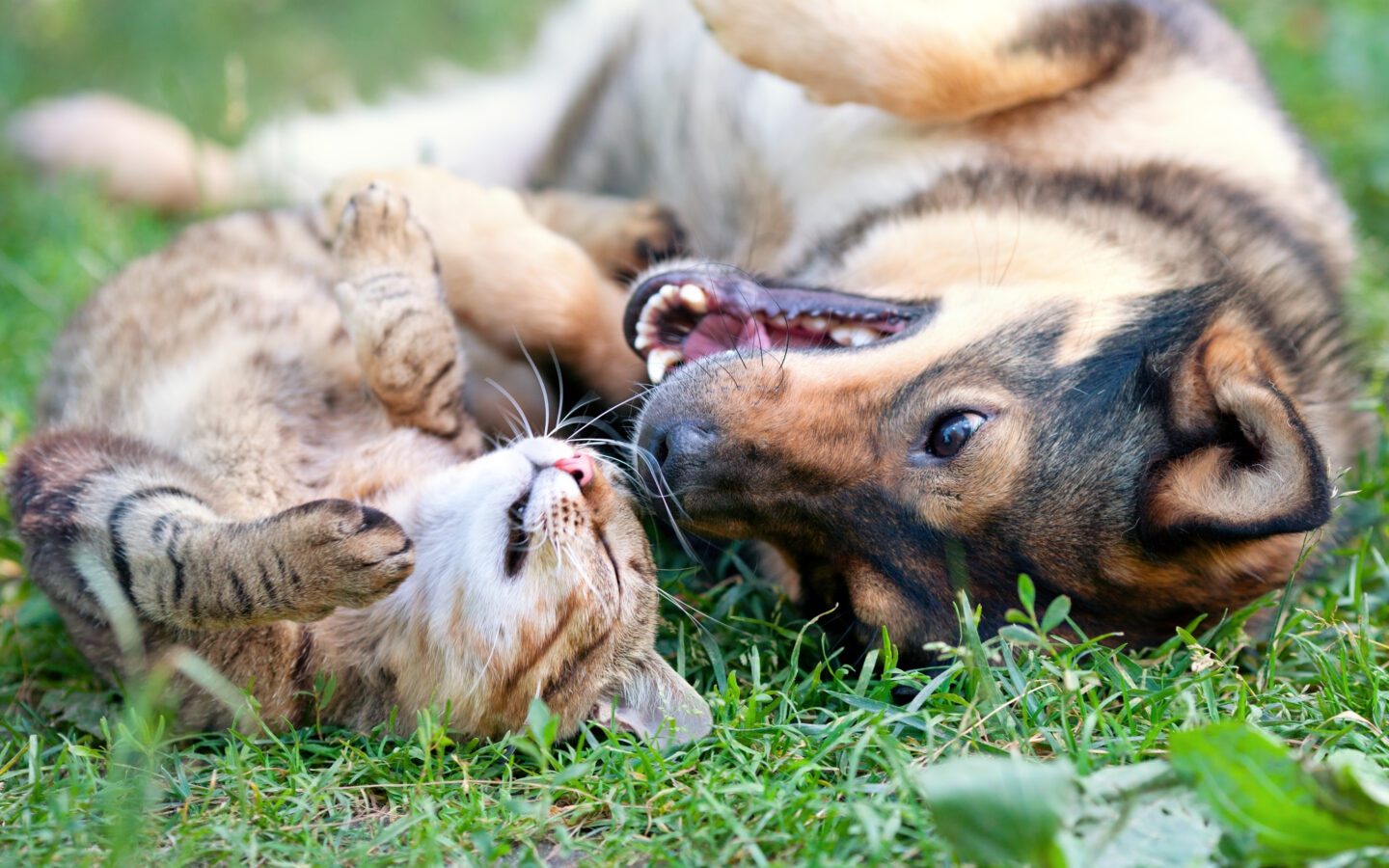
Early, positive meetings with the other species broaden each pet’s comfort zone, making vet visits, travel, or new family members less stressful.
The Drawbacks of Dog and Cat Interaction
4.1 Conflicts
Even well-matched pets may clash over prime sunspots, water dishes, or favorite humans. A single scary chase can plant lasting fear, leading to hiding or defensive swatting.
4.2 Health Risks
Shared parasites such as fleas or intestinal worms can hop from one coat to another, and rough play may leave scratches that invite infection. Routine prevention and quick first aid keep these risks low.
Scientific Research on Dog and Cat Interaction
5.1 Behavioral Studies
Controlled observations show that early exposure, slow introductions, and plentiful high spaces for cats raise the odds of peaceful coexistence. Personality matters too: an easy-going dog and a bold, curious cat tend to pair best.
5.2 Genetic Studies
Selective breeding has produced dog lines with lower prey drive and cat lines with reduced flight response, genetic tweaks that make multi-species homes smoother.
Case Studies: Dog at Cat Interactions in Real Life

6.1 Success Stories
Across countless homes, elderly retrievers let kittens pounce on their tails, while confident cats rub against canine shoulders at feeding time. Common threads include gradual introductions, separate feeding stations, and owner supervision during the first weeks.
6.2 Challenges and Solutions
When a rowdy pup pursues a timid cat, baby gates, tall cat trees, and reward-based training redirect energy and restore peace. If tension persists, certified trainers or veterinary behaviorists can design step-by-step reconciliation plans.
Conclusion
Dogs and cats can share a home, but success rests on understanding their distinct languages, providing safe retreats, and guiding early encounters. With patience, many households enjoy the gentle comedy of a dog curled beside a cat on the same sunny rug.

Reiteration of Purpose and Importance
This overview aimed to highlight the factors that shape canine-feline relationships. Recognizing these elements helps guardians create safer, happier environments for every furry family member.
Recommendations and Future Research
Long-term studies tracking stress hormones and lifelong health could refine best practices. Meanwhile, owners are encouraged to introduce pets slowly, offer vertical space for cats, and seek professional guidance at the first sign of trouble. Continued exploration will deepen our appreciation of the bond that can exist between whiskers and wagging tails.
In conclusion, the dog-and-cat household remains a fascinating blend of instinct, learning, and love—one that rewards thoughtful care with twice the purrs and tail wags.

