Professional Cat Grooming: A Complete Guide to Feline Care and Comfort
Introduction
Cats may pride themselves on self-cleaning, but even the most meticulous feline benefits from a helping hand. Routine grooming supports healthy skin, reduces shedding, and offers an early warning system for hidden problems. Many pet retailers now provide cat-only packages designed around low-stress techniques. This overview explains why grooming matters, what a typical salon visit includes, and how it can strengthen the bond between you and your cat.
The Importance of Grooming for Cats
1. Skin and Coat Health

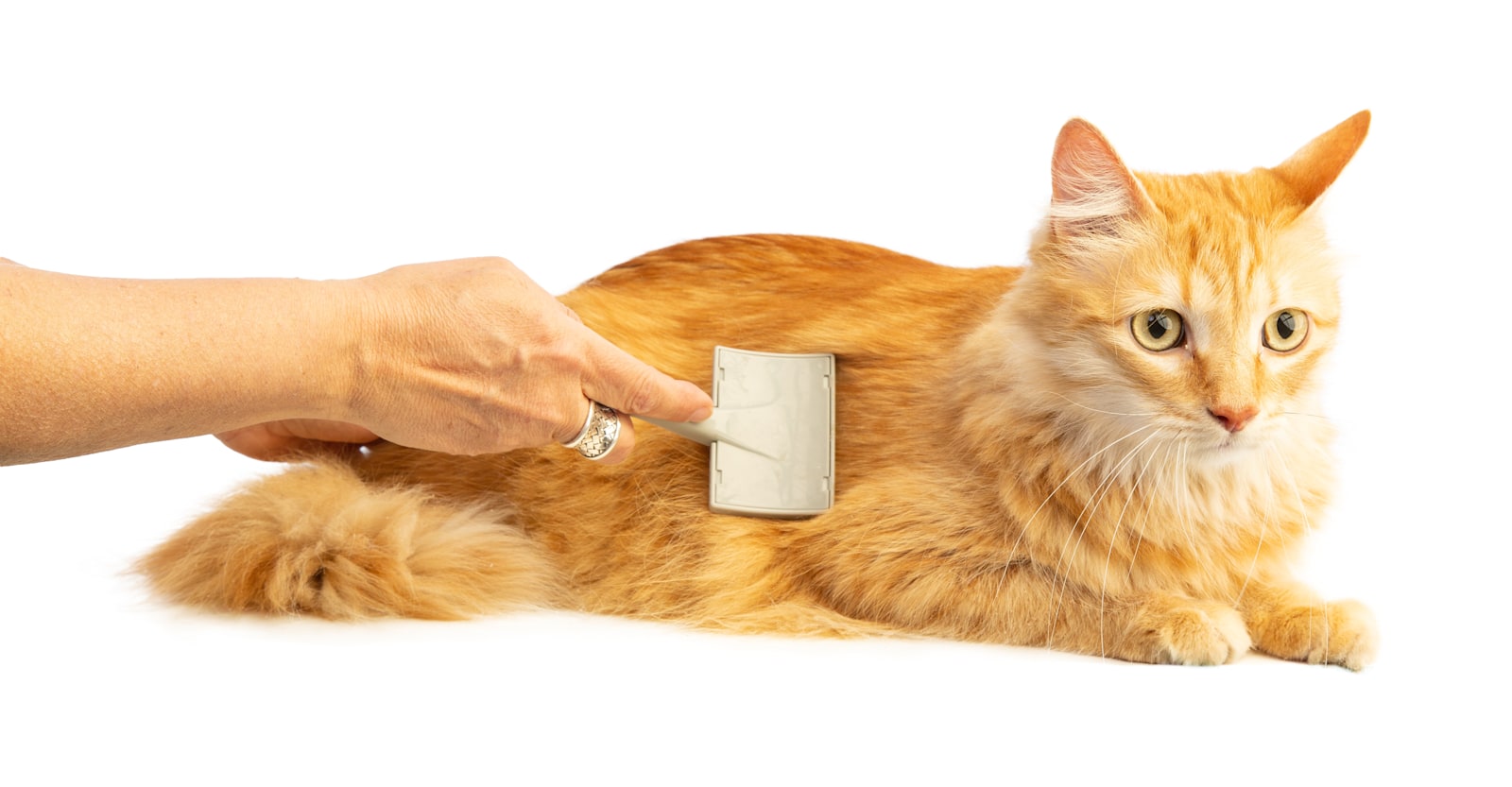
Weekly brushing lifts away dead hair, dandruff, and outdoor debris before it tangles. The process spreads natural oils from root to tip, leaving the coat glossy and reducing hairballs. While you work, you can spot fleas, bumps, or tender areas that might otherwise go unnoticed.
2. Dental Hygiene
A gentle rub with feline toothpaste or a gauze-wrapped finger slows tartar buildup and keeps gums pink. Starting this habit at home makes professional cleanings easier and protects against bad breath and tooth loss later in life.
3. Nail Care
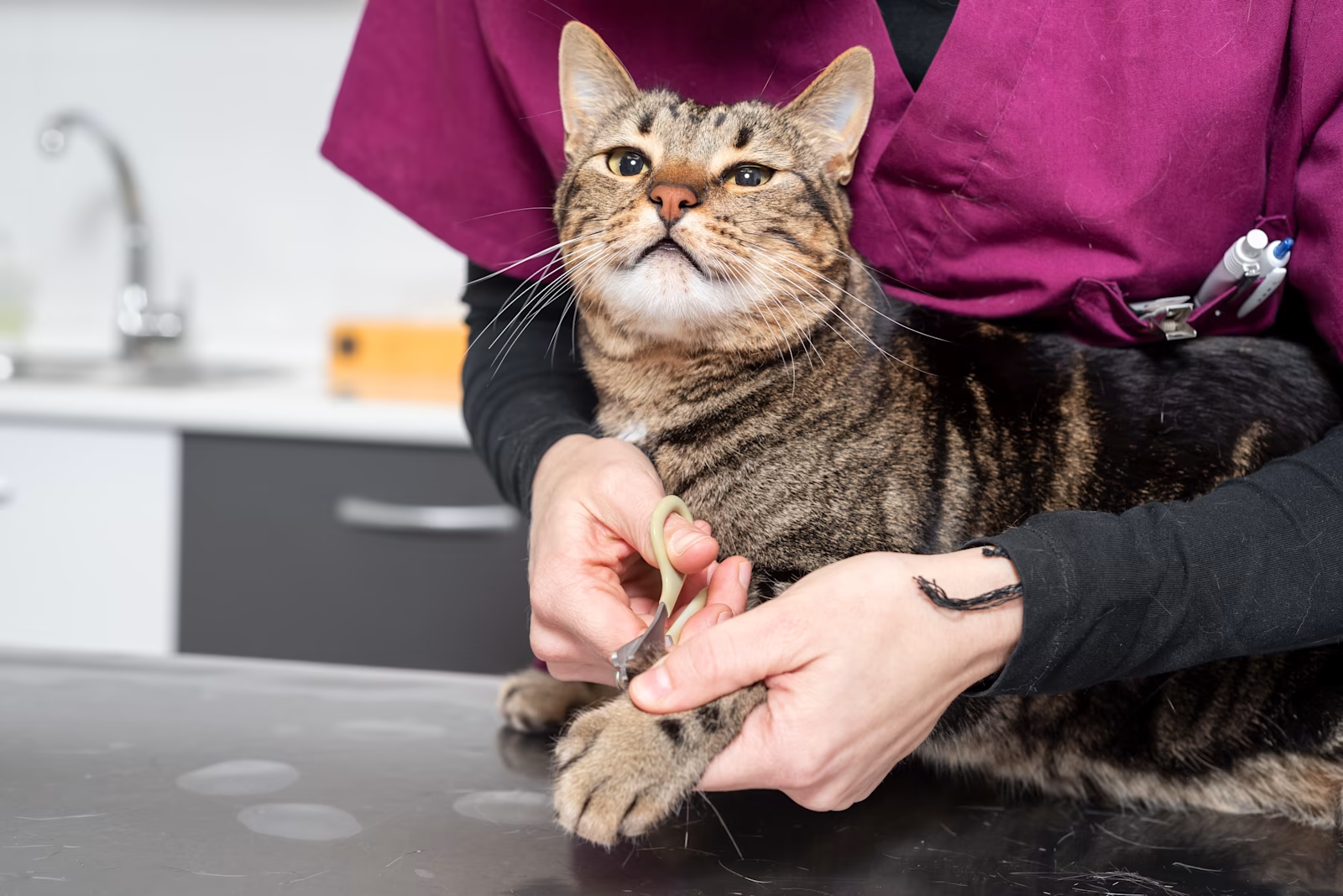
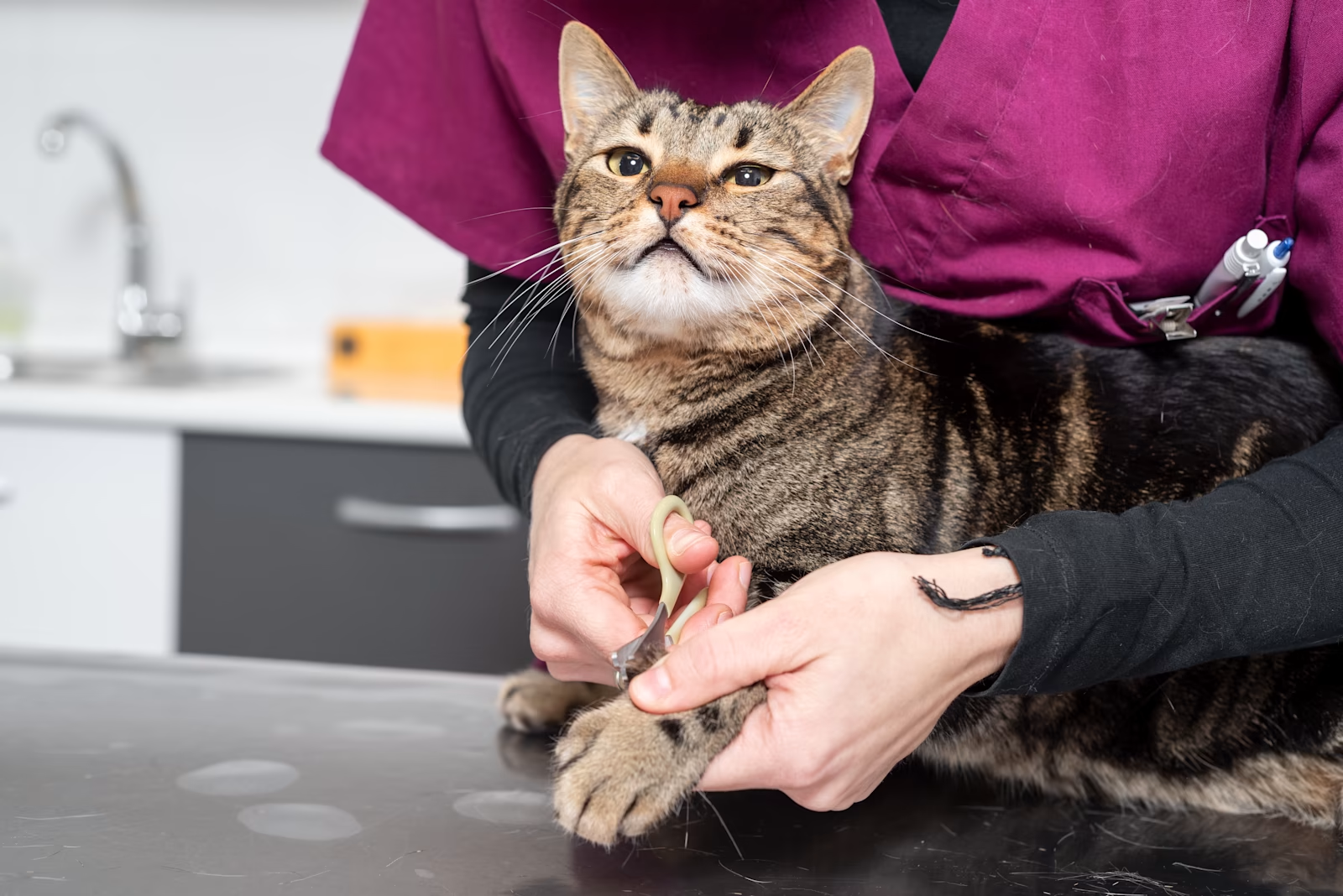
Trimming every few weeks prevents claws from curling into paw pads or snagging furniture. Short, blunt tips are kinder to both human skin and delicate fabrics, and they lower the chance of a painful tear during play.
4. Stress Reduction

Handled calmly, grooming mimics the allogrooming cats perform on trusted companions. Slow strokes, soft voices, and tasty rewards teach kittens that human touch is safe, turning future vet visits or carrier time into far less dramatic events.
Typical Salon Services for Cats
1. Cat Bathing
When a cat rolls in something sticky or greasy, a warm bath with unscented, pH-balanced shampoo restores freshness. Experienced stylists use quiet dryers and towel wraps to keep the session brief and serene.
2. Brushing and De-shedding
High-velocity dryers loosen undercoat before a stainless comb finishes the job. Long-haired breeds leave with fewer tangles, while short-haired cats shed less on your sofa for weeks afterward.
3. Nail Trimming
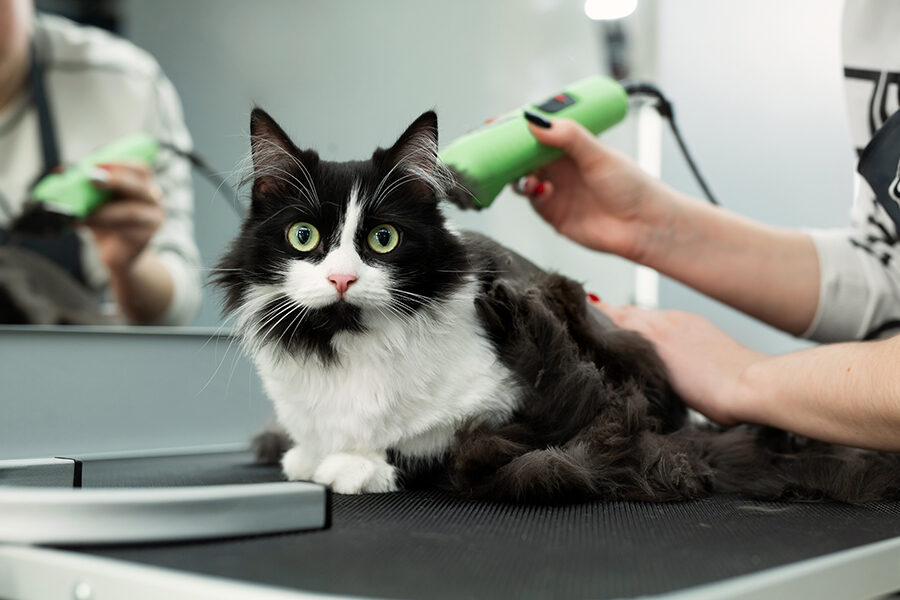
Nail trims are quick, safe, and paired with treats so cats learn to accept the clipper sound. Staff also check for split claws or embedded litter.
4. Teeth Cleaning
Some salons offer mild oral wipes or enzymatic gel applications that soften plaque between veterinary dental cleanings, keeping kitty kisses pleasant.
Benefits of Professional Cat Grooming
1. Professional Expertise
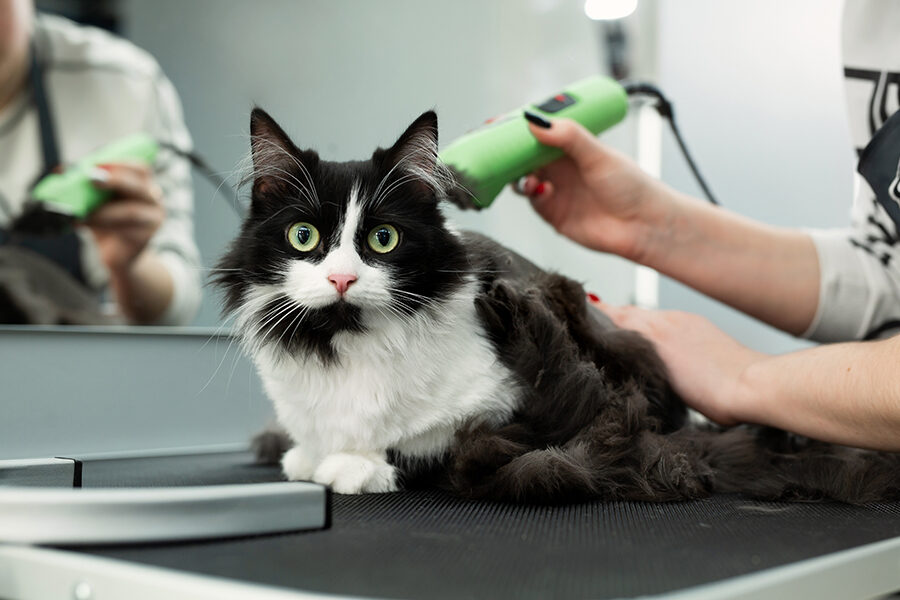
Certified groomers recognize breed-specific needs, from the dense triple coat of a Siberian to the delicate skin of a Sphynx, and adjust techniques accordingly.
2. Customized Services
Owners can mix and match services—perhaps a sanitary trim and ear cleaning for a senior cat or a full de-shed and lion clip for a show kitten—without paying for extras they don’t need.
3. Convenience
Drop-off appointments fit busy schedules, and many salons offer express slots that finish within two hours, reducing time away from home for both cat and guardian.
Research and Expert Opinions
1. Study on Grooming and Cat Health
Peer-reviewed work in veterinary journals links consistent grooming to lower incidence of mat-related skin infections and reduced hairball vomiting, improving quality of life for indoor cats.
2. Expert Opinion
Feline behavior specialists remind owners that short, positive sessions build trust. In her widely read care manuals, one expert sums it up: “Grooming is preventive healthcare disguised as affection.”
Conclusion
Regular grooming is more than vanity; it is an act of wellness that keeps skin supple, teeth cleaner, and nails safe. Professional services add expertise and efficiency, while at-home touch-ups sustain the benefits between visits. Together, they help cats feel comfortable, look their best, and live longer, happier lives.
Recommendations and Future Research
To keep improving feline grooming standards, providers might:
1. Host small-group workshops that teach owners how to brush, bathe, and trim nails confidently.
2. Partner with veterinarians to create grooming plans for cats with arthritis, obesity, or anxiety.
3. Track long-term outcomes—such as reduced hairball frequency or improved dental scores—to refine techniques and demonstrate value.
In short, thoughtful grooming, whether on the living-room couch or at a quiet salon, remains one of the simplest ways to safeguard a cat’s health and deepen the human-animal bond.