

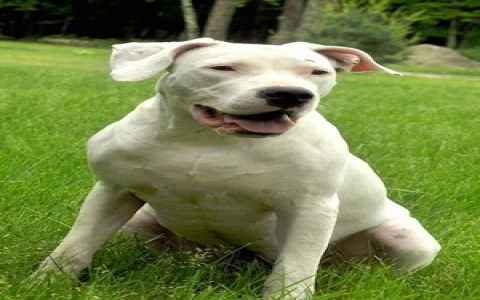
The Dogo Pit Mix: A Complete Overview
Introduction
The Dogo Pit mix, a blend of the Dogo Argentino and the American Pit Bull Terrier, has captured increasing attention among canine enthusiasts. This overview explores the mix’s background, traits, personality, and the commitments required to keep one happy and safe. Understanding these points helps prospective guardians decide whether this energetic hybrid fits their lifestyle.
Origin and History
Although exact records are scarce, the mix likely emerged when breeders aimed to combine the Dogo’s athleticism with the Pit Bull’s well-known devotion. Both parent breeds were originally developed for demanding work, so the hybrid inherits stamina, courage, and a strong desire to stay close to its people. Over time, the cross has found a niche as a versatile family companion and exercise partner.

Physical Characteristics
Most individuals are large, stocky dogs weighing between 60 and 100 pounds and standing 22–27 inches at the shoulder. The coat is short, glossy, and usually appears in solid white, brindle, or dark tones. A broad head, well-defined muscles, and an alert expression give the dog a confident look that turns heads during daily walks.
Temperament
When raised with consistent guidance, these dogs are affectionate, people-oriented, and eager to join household activities. Early, positive exposure to new sights, sounds, and friendly strangers helps channel their natural protectiveness into calm vigilance rather than over-guarding. With supervision and gentle instruction, many live peacefully with children and other pets.
Training and Exercise
Structured lessons from day one are essential. Reward-based methods—treats, toys, and enthusiastic praise—keep lessons fun and discourage stubborn moments. Because the mix is athletic, plan for brisk walks, jogging, or interactive games twice daily; puzzle feeders and scent work add mental exercise that prevents boredom and unwanted chewing.

Health Concerns
Like any large, active dog, the cross can face joint issues, skin allergies, and gastric sensitivity. Keeping the dog lean, providing joint-friendly exercise on soft surfaces, and scheduling routine vet visits reduce risk. Pet insurance or a dedicated savings fund can cushion the cost of unexpected treatment.
Challenges of Ownership
Strength, exuberance, and a protective streak mean this hybrid is best matched with guardians who have time for daily training and secure fencing. Apartment life can work only if outdoor exercise is plentiful. Local breed-neutral regulations, landlord policies, and community attitudes should be reviewed before bringing a dog home.
Conclusion
The Dogo Pit mix offers loyalty, athletic grace, and an affectionate nature in one powerful package. Success depends on early socialization, ongoing guidance, and ample exercise. Owners who meet these needs gain a devoted companion ready to share hikes, couch time, and every adventure in between.

Future Research
Continued study could benefit the hybrid in several ways:
1. Health surveys tracking common orthopedic and skin conditions to guide responsible breeding choices.
2. Behavioral follow-ups comparing adult dogs given structured socialization with those receiving minimal training.
3. Creation of owner-friendly training modules that emphasize positive reinforcement and community education.
Such efforts will support the long-term welfare of the Dogo Pit mix and help more dogs thrive in loving homes.


