Compassion for Companion Animals: Exploring Animal Rights and Welfare
Introduction
The conversation around animal rights and welfare has grown steadily, with advocacy groups leading efforts to protect the well-being of pets and other animals. This article explores the guiding beliefs behind these campaigns, the strategies used to advance humane treatment, and the wider influence of such work on society. By reviewing these approaches, readers can better understand the ongoing challenges and opportunities in promoting kindness toward animals.
Foundational Beliefs about Companion Animals
Inherent Rights
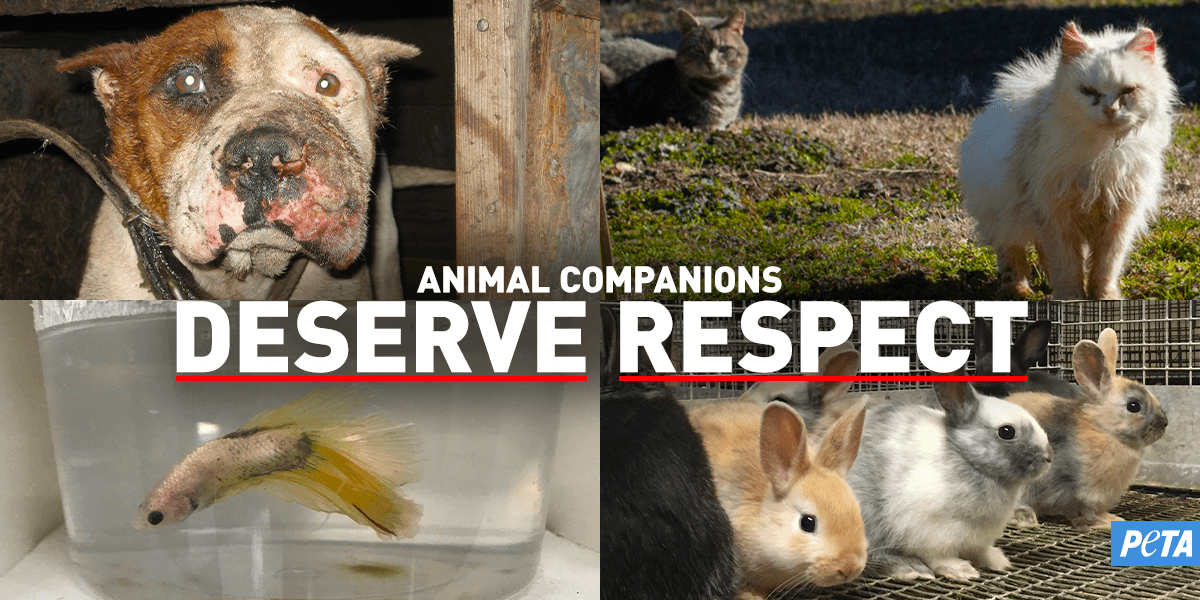
Advocates assert that animals possess basic rights that deserve protection, including freedom from unnecessary suffering, respectful treatment, and the chance to live in environments suited to their natural behaviors. From this viewpoint, animals are not disposable commodities; they are living, feeling beings whose interests matter.
Welfare Focus
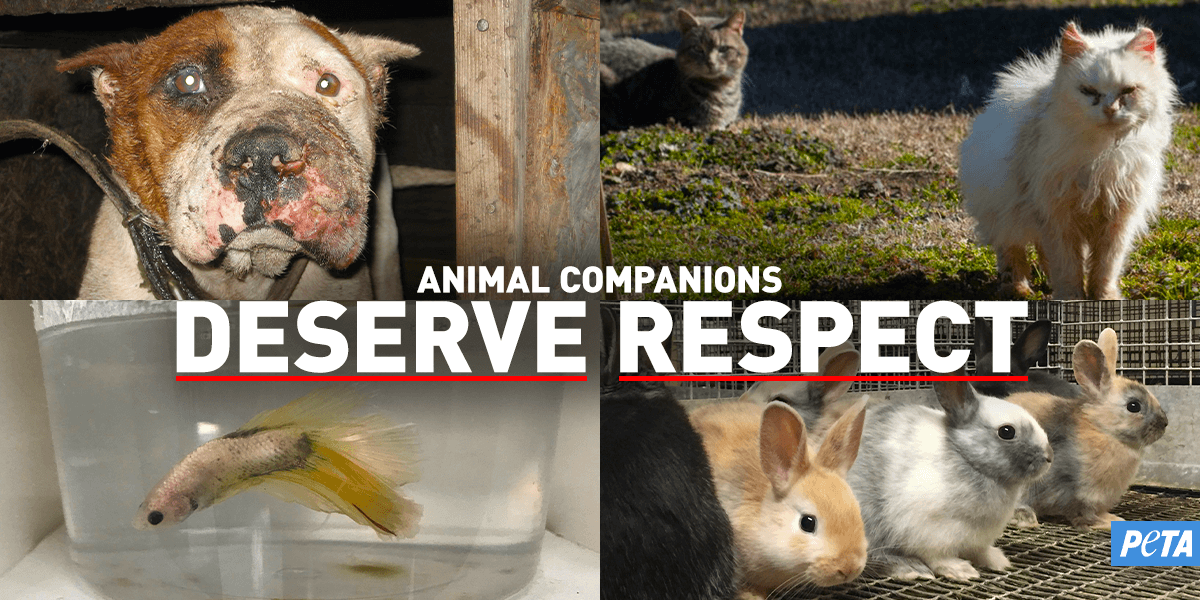
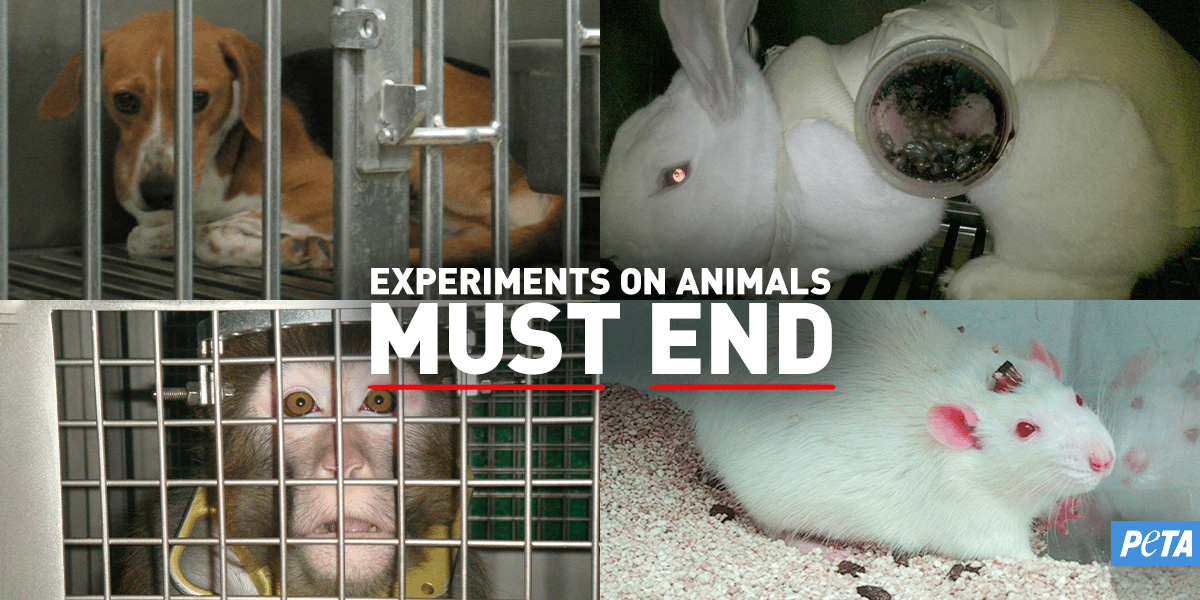
Beyond rights language, many groups emphasize everyday welfare. They spotlight issues such as crowded breeding facilities, harmful testing practices, and the use of animals for entertainment. The goal is to replace exploitative systems with practices that place the animal’s well-being at the center.
Strategies for Promoting Change
Awareness Campaigns
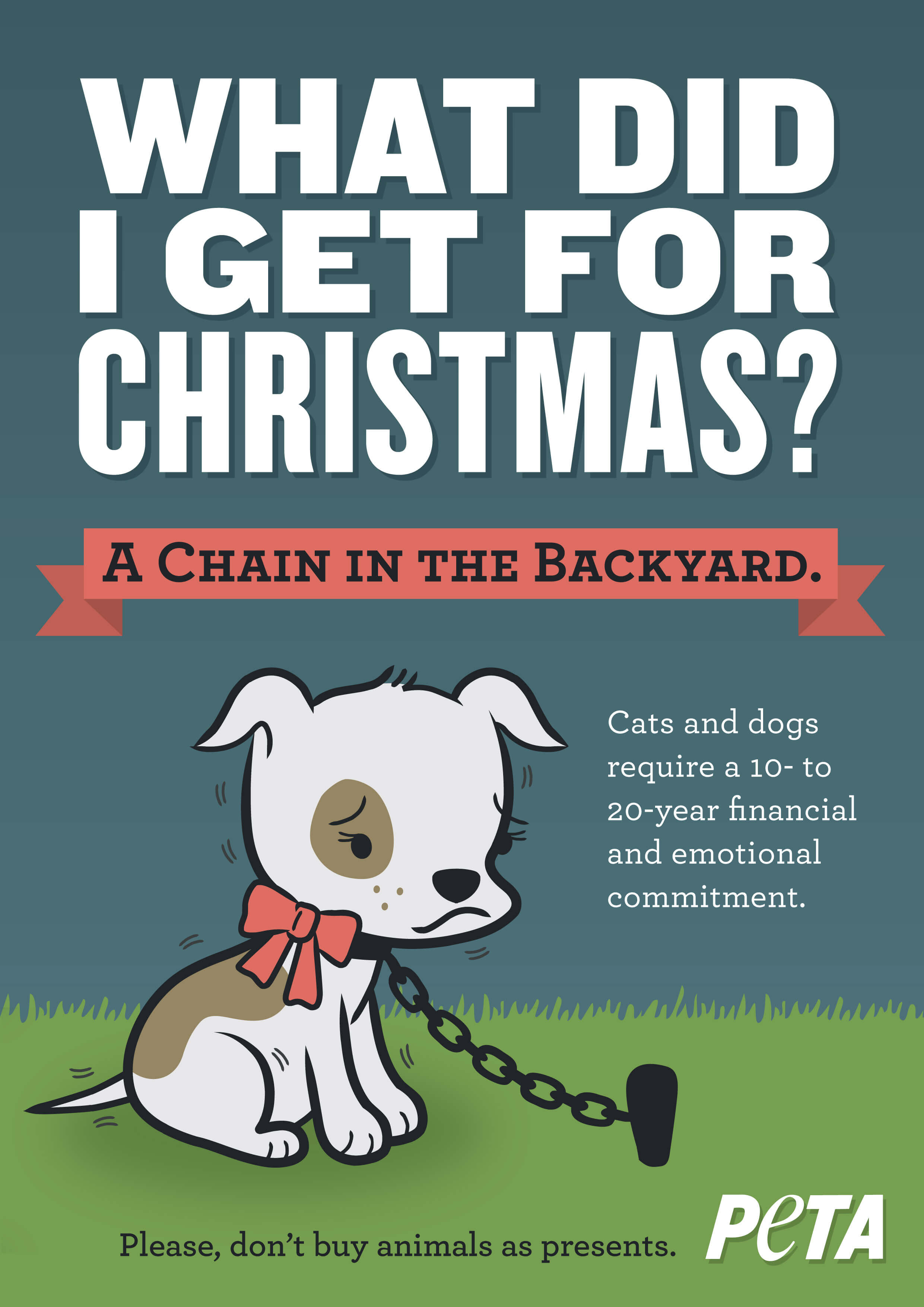
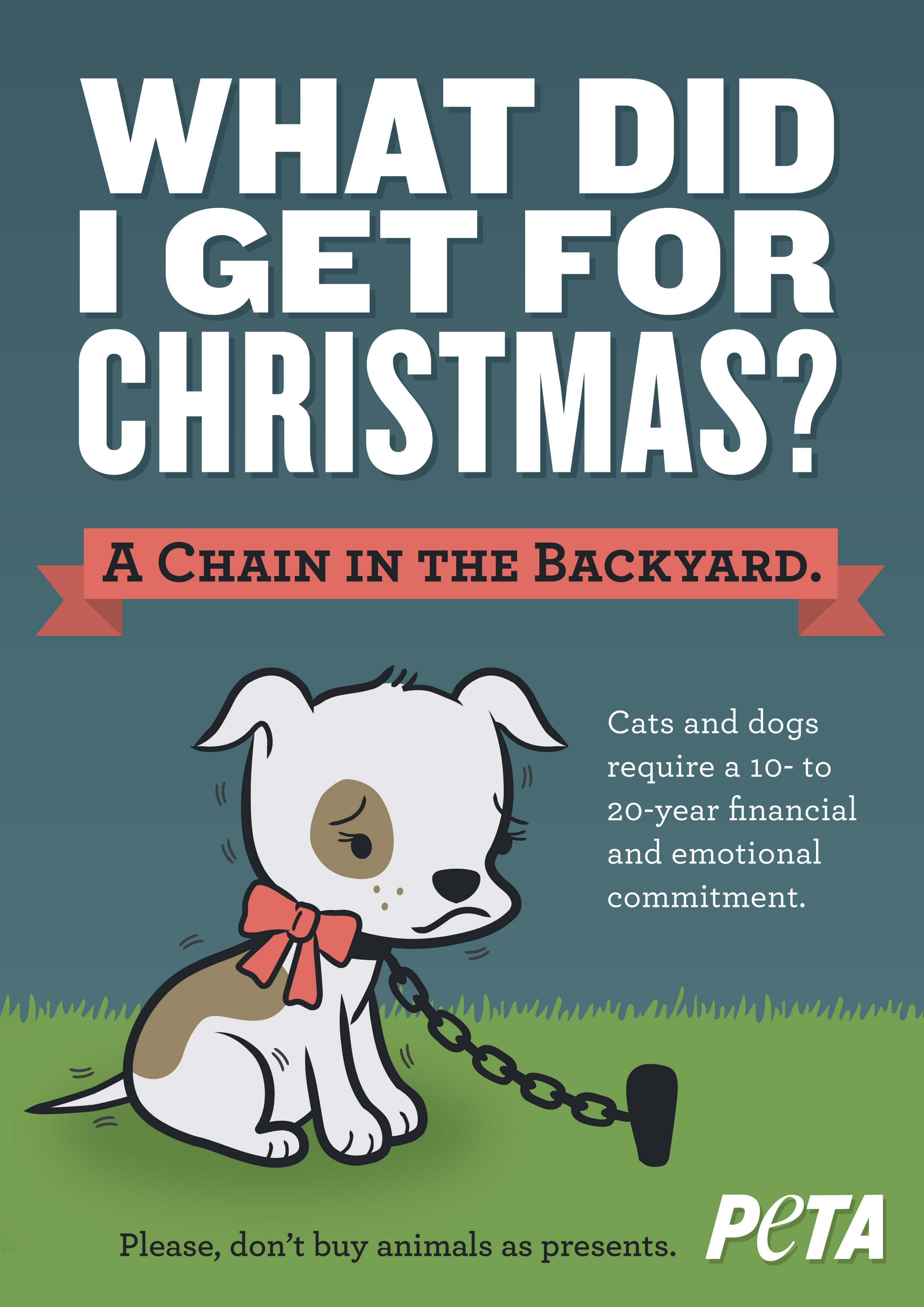
Public education remains a cornerstone of modern advocacy. Through social media, short films, and eye-catching posters, organizations share stories that encourage people to rethink how animals are treated and to support more compassionate choices.
Peaceful Protest
Rallies, marches, and symbolic acts are often used to keep animal welfare in the headlines. These peaceful demonstrations aim to pressure industries and lawmakers to adopt higher welfare standards without resorting to hostility.
Legal Channels
When education and protest are not enough, advocates turn to the courts. By challenging inhumane practices and pushing for stronger regulations, they seek long-term structural change that protects animals under the law.
Outcomes of Advocacy Work
Shifting Attitudes
One clear result is the gradual shift in public opinion. Media coverage and personal stories have encouraged many consumers to adopt plant-based diets, choose adoption over shopping, and demand transparency from brands.
Policy Progress
Legislative victories—such as bans on certain cages or stricter oversight of breeding operations—demonstrate that sustained pressure can translate into concrete protections for animals.
Individual Action
Guides on cruelty-free living, humane training techniques, and responsible pet care have empowered countless people to align daily habits with their ethical values.
Criticisms and Debates
Tactical Concerns
Some observers argue that confrontational imagery or language can alienate the very audiences advocates hope to win over. They suggest that empathy-based messaging might yield broader support.
Mixed Results
Critics also note that while awareness has risen, measurable improvements in animal welfare can lag behind. Continued evaluation of which tactics deliver real relief to animals remains essential.
Conclusion
Advocacy for companion animals has already reshaped how society discusses and enacts welfare standards. By blending education, peaceful protest, and legal action, these efforts have moved both hearts and laws. As new challenges emerge, sustained collaboration, evidence-based strategies, and inclusive dialogue will be key to securing a kinder future for all sentient beings.
Suggestions for Future Efforts
To build on current momentum, stakeholders are encouraged to focus on the following areas:
1. Cross-Group Partnerships: Sharing resources and expertise among shelters, veterinarians, and advocacy organizations can amplify positive outcomes.
2. Evidence-Based Tactics: Continued research into effective communication and policy design will help refine campaigns for maximum benefit to animals.
3. Lifelong Education: Embedding humane education in schools and community programs can nurture generations that instinctively prioritize compassion.
In summary, the movement for animal welfare has made notable gains by staying adaptable and inclusive. By maintaining a clear ethical vision and welcoming diverse voices, it can keep advancing toward a world where every animal enjoys respect and care.