

Title: Giving Parrots a Fresh Start: Why Rehoming Matters
Introduction
Parrots have soared in popularity as household companions, celebrated for their bright feathers and lively personalities. Yet the same traits that make them endearing—long life spans and deep social needs—also lead many to lose their homes each year. This article looks at why rehoming is a kind, practical solution for displaced parrots and for families ready to welcome a feathered friend.
The Problem of Companion Parrots Rehomed
Because parrots can live for decades and crave daily interaction, owners sometimes discover they cannot meet the commitment. Changes in work schedules, finances, or housing often end with a bird being surrendered to a shelter or rescue group. The steady stream of incoming parrots strains the limited space and funds of these organizations.
Benefits of Rehoming Companion Parrots
A new home can transform a bird’s life. Parrots that were once lonely or ignored receive fresh attention, toys, and room to stretch their wings. Adopters, in turn, gain an entertaining, talkative family member who forms strong, affectionate bonds. Each successful placement also frees shelter room for the next animal in need.
Rehoming further educates the public. When people see adopted parrots thriving, they learn about responsible care and the rewards of choosing adoption over purchase, inspiring others to follow suit.
Finally, rehoming is cost-effective. Adoption fees are generally lower than breeder prices, and many birds arrive already health-checked, sparing new owners initial veterinary expenses.
Challenges Faced by Rehomed Parrots
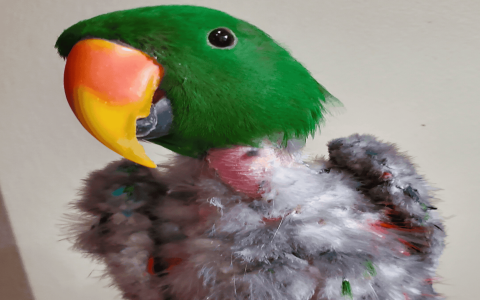
Even well-intentioned moves can stress a parrot. Sudden changes in routine, diet, or household noise may trigger feather plucking or loud calling. Birds that suffered neglect might fear human hands, requiring weeks of patience before they accept head scratches or step onto a perch.
Some parrots bond tightly to one person; when that caregiver disappears, the grieving bird can become withdrawn or aggressive. Introducing such a bird to a busy home with children or other pets demands careful, gradual steps.
Strategies for Successful Rehoming
Shelters and adopters can boost success by planning ahead. First, share honest profiles of each bird’s likes, dislikes, and quirks so families know what to expect. Second, arrange meet-and-greet sessions in quiet rooms where the parrot can observe prospective owners without feeling cornered.
After adoption, maintain open communication. Many rescues offer free phone or email advice for questions about diet, training, or cage setup. Simple follow-ups at one week, one month, and six months catch small issues before they grow.
Finally, encourage enrichment. Puzzle feeders, daily out-of-cage time, and positive-reinforcement training sessions keep intelligent minds busy and reduce unwanted behaviors.
Conclusion
Rehoming is more than a second chance; it is a partnership between birds, shelters, and caring households. When adopters prepare thoughtfully and support networks stay available, parrots blossom and families gain a colorful, lifelong companion. Promoting adoption helps shift the pet trade toward humane choices, ensuring that fewer parrots ever have to face homelessness again.


