

The Significance of Paw Images in Animal Welfare and Conservation
Introduction
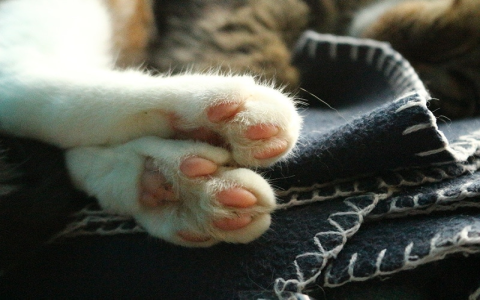
Paw images—close-ups of footprints, gentle pads, or simply the presence of an animal’s foot—have quietly become one of the most shared symbols in wildlife photography. They hint at stories beyond the frame: a creature’s pace, its path, its daily struggle or play. This article explores how these modest visuals support animal welfare and conservation by stirring curiosity, nurturing compassion, and guiding protective action.
Raising Awareness
A single frame of a paw pressed into fresh mud can speak louder than paragraphs of text. It reminds viewers that a living being passed by moments earlier, anchoring abstract conservation slogans to something tangible. When such images circulate, they often encourage people to learn more about habitat loss, poaching, or climate pressures, motivating small lifestyle changes or donations to reputable wildlife groups.

Promoting Empathy
Close-up shots of paws—whether scarred, tiny, or tenderly wrapped after rescue—bridge the emotional gap between species. Viewers imagine the sensation of touch, the chill of ground, or the pain of injury, translating visual cues into care. Over time, repeated exposure to these images nurtures a habit of empathy that extends beyond charismatic species to entire ecosystems.
Informing Conservation Efforts
Researchers routinely examine paw prints to estimate animal numbers, travel corridors, and even population health, all without intrusive tagging. Photographs of tracks in snow, sand, or clay provide time-stamped evidence that can shape protected-area boundaries or anti-poaching patrol routes. When combined with notes on location and date, a simple image becomes a data point in larger monitoring programs.
The Role of Social Media
Platforms built for quick sharing turn paw photos into global postcards from the wild. A well-timed post can rally support for a local shelter overnight or push a conservation petition past its signature goal. Hashtags like #PawPrintFriday aggregate these images, creating weekly reminders that wildlife needs space, respect, and policy protection.

Challenges and Considerations
Images can mislead if context is cropped away: a healthy track might be presented as proof of crisis, or vice versa. Ethical sharing therefore requires captions that explain when and where the photo was taken, avoiding exaggeration. Additionally, while humanizing animals can spark concern, it should not override respect for their wild nature or encourage inappropriate contact.
Conclusion
From muddy imprints to studio portraits, paw images distill the essence of wild lives into visuals anyone can understand. They invite questions, fuel campaigns, and quietly record the presence of species we might otherwise overlook. Used responsibly, these small windows on the world can help secure much larger landscapes for the animals that tread within them.
Future Research Directions
Future research should focus on the following areas:

1. Measuring how paw imagery influences long-term conservation behaviors such as volunteering or habitat-friendly consumer choices.
2. Comparing the emotional impact of paw close-ups versus full-body wildlife photos in fundraising appeals.
3. Establishing ethical guidelines for captioning and contextualizing paw images to prevent misinformation.
4. Investigating optimal posting frequencies and formats that maintain public engagement without causing image fatigue.


