

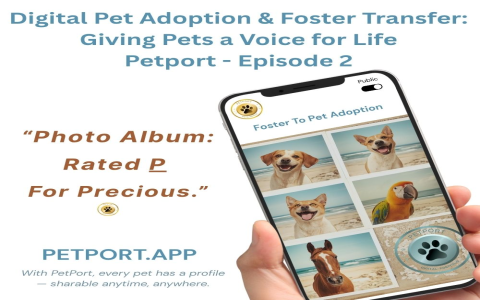
The Rise of Pet Adoption Apps: A Game-Changer for Animal Welfare
Introduction
Smartphone applications dedicated to pet adoption have reshaped how families welcome new companions, turning a once-local chore into a smooth, country-wide search. This overview examines how these platforms strengthen animal welfare, the advantages they offer, the hurdles they face, and the innovations expected tomorrow.
The Evolution of Pet Adoption
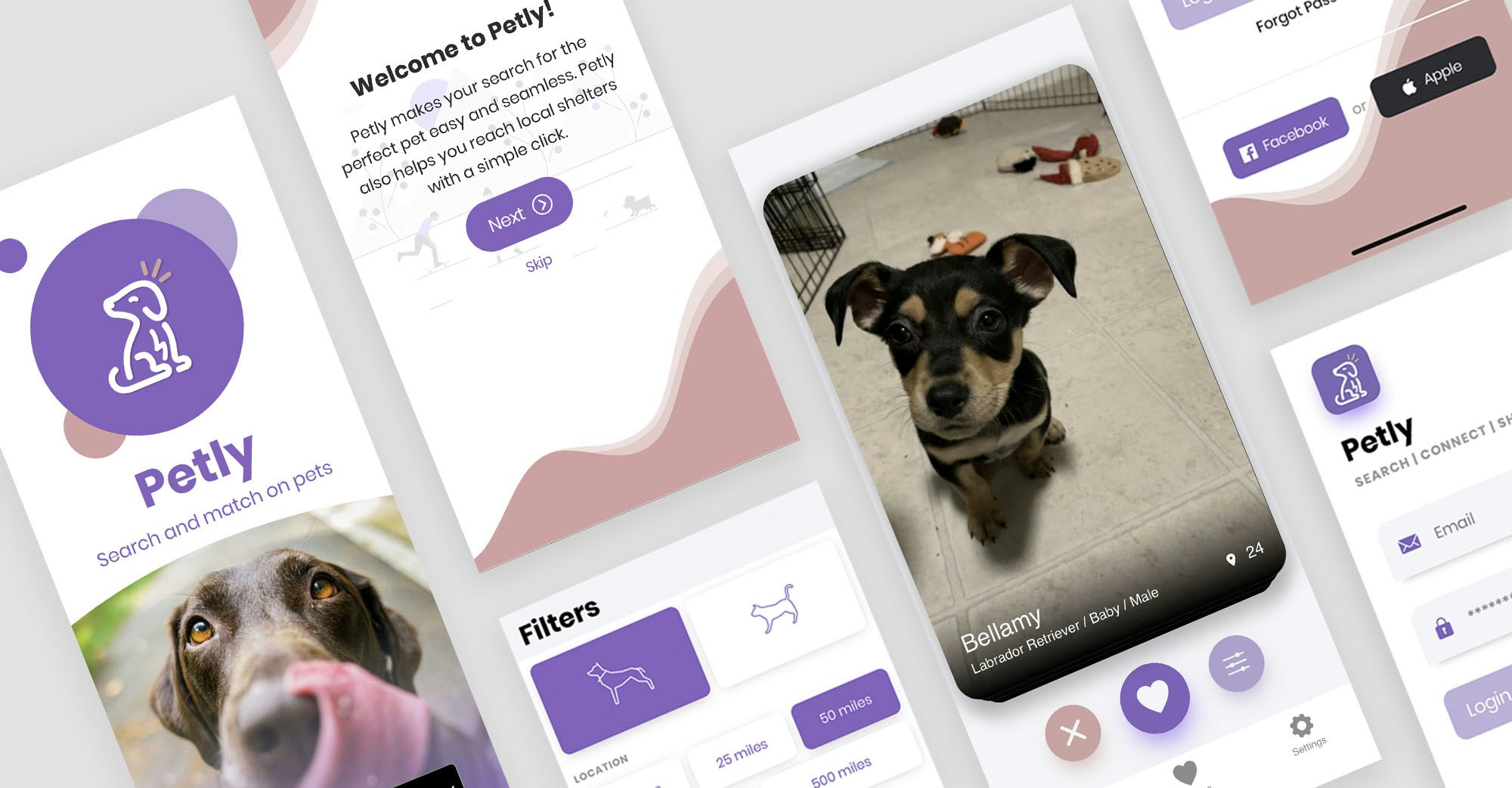
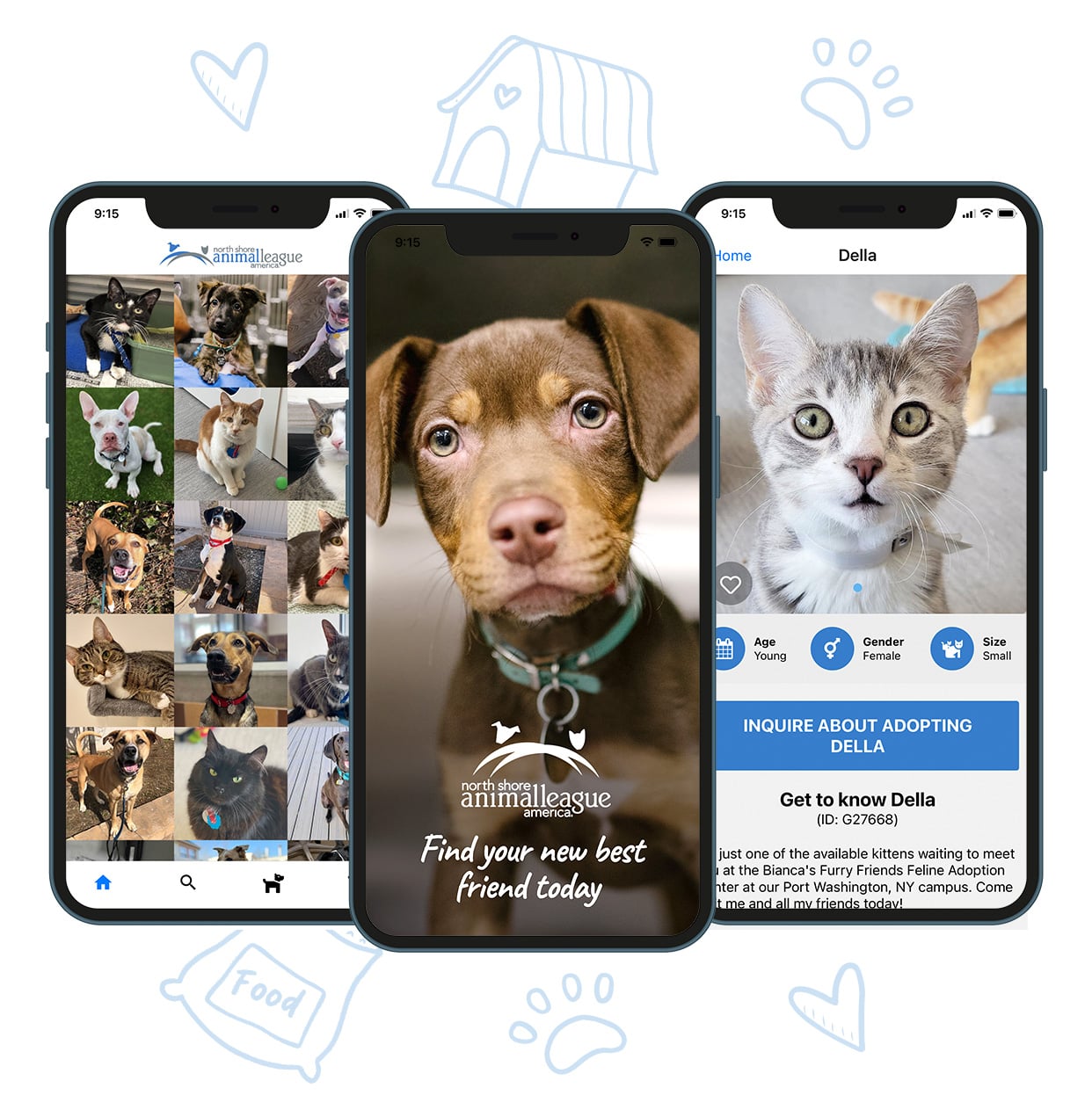
Traditionally, hopeful adopters drove to nearby shelters, completed paper forms, and waited for a match that might never arrive. Mobile technology now collates profiles from hundreds of rescue groups, letting future owners browse photos, videos, and personality notes before ever setting foot in a kennel.
The Benefits of Pet Adoption Apps
Increased Accessibility
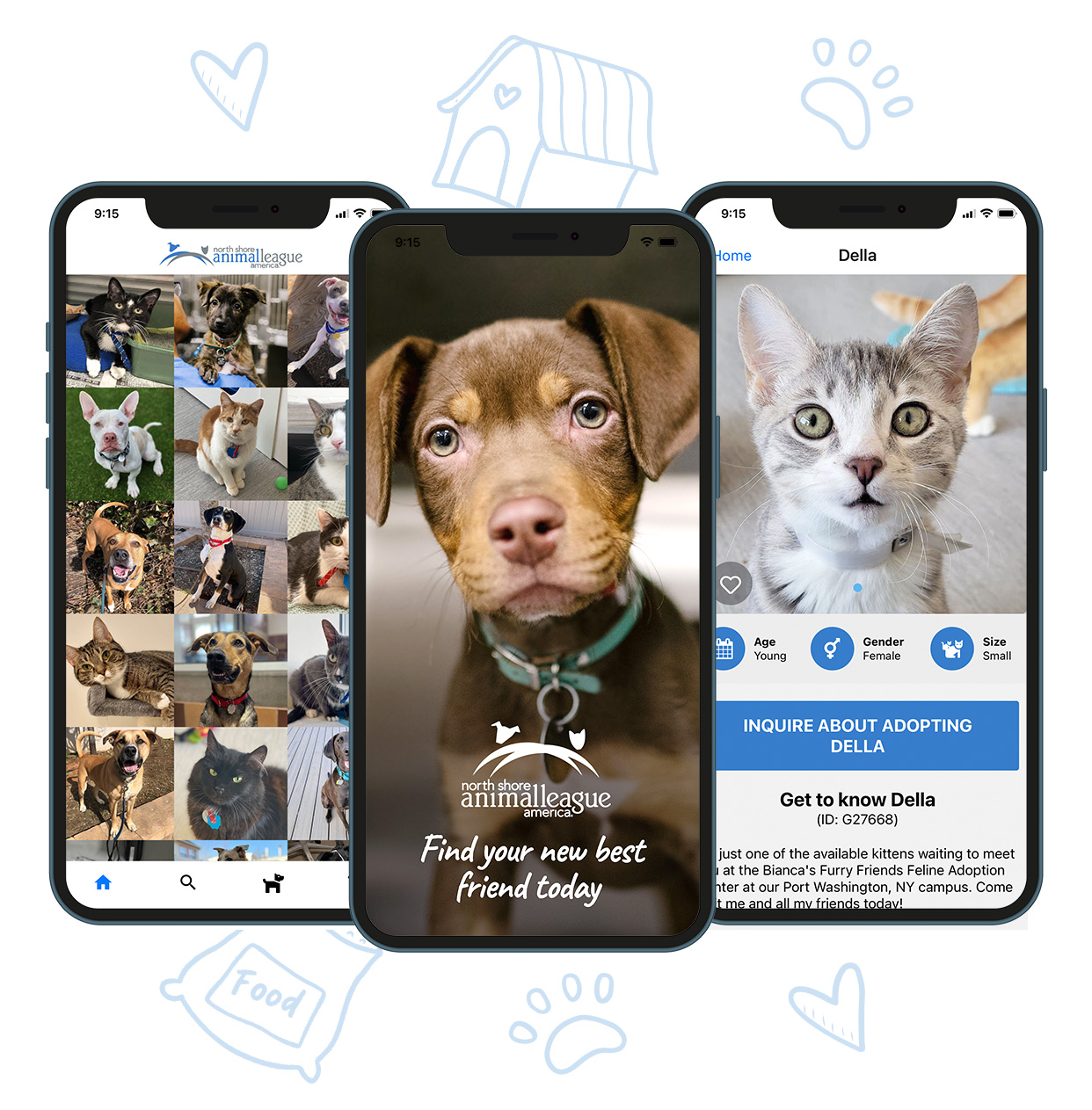
A stable internet connection is all that is required to meet thousands of dogs, cats, rabbits, and birds. Rural residents, people with limited mobility, or those browsing at midnight can all scan listings and start conversations with caregivers instantly.
Enhanced Matching Algorithms
Built-in questionnaires evaluate energy levels, grooming tolerance, and household dynamics, then suggest animals whose needs mirror the adopter’s lifestyle. The result is fewer impulse decisions and more lasting bonds.
Improved Transparency
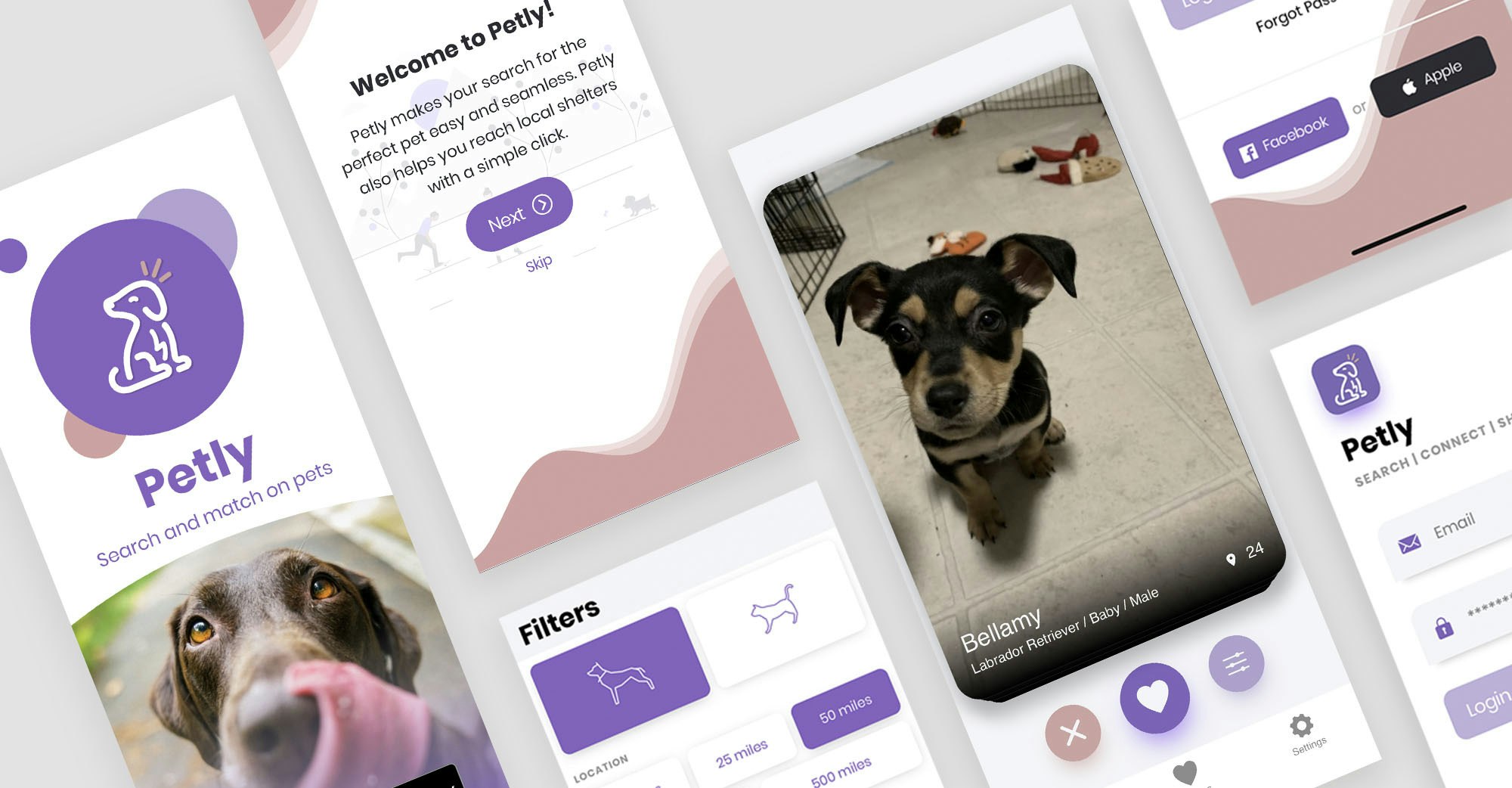
Each profile typically outlines vaccination status, behavioral quirks, and ongoing medical requirements. Clear expectations reduce surprises and help shelters place even special-needs pets in prepared homes.
Increased Adoption Rates
Shelters that list animals on popular apps regularly report shorter stays and lower operational strain, demonstrating that convenience translates directly into lives saved.
Challenges and Concerns
Quality Control
Because listings are often uploaded by busy volunteers, some profiles lack current photos or accurate behavioral notes, occasionally leading to mismatched expectations.

Ethical Considerations
Highlighting only puppies or fashionable breeds can unintentionally fuel demand for those types, undermining efforts to promote healthier mixed-breed animals already waiting in kennels.
Case Studies and Success Stories
Case Study 1: Nationwide Platform A
One major network partners with thousands of shelters, offering real-time chat and verified reviews. Since launch, it has facilitated millions of successful matches across the country.
Case Study 2: Nationwide Platform B

Another widely used service emphasizes filter tools that let users search by age, size, and compatibility with children or other pets. Its intuitive design and strong shelter partnerships have contributed to a notable rise in annual adoptions.
The Future of Pet Adoption Apps
Developers are experimenting with live-video meet-and-greets, AI-driven compatibility scoring, and automated post-adoption check-ins. These upgrades aim to keep pets in homes and reduce return rates.
Conclusion
Digital adoption platforms have streamlined the journey from lonely kennel to loving sofa, benefiting animals and humans alike. Continued refinement of data accuracy and ethical promotion will ensure these tools remain a positive force for companion-animal welfare.
Recommendations and Future Research
To maximize impact, stakeholders should:
1. Standardize profile details so medical and behavioral notes are complete and updated.
2. Feature mixed-breed and special-needs animals prominently to encourage diverse adoption choices.
3. Track long-term retention rates, using feedback to fine-tune matching algorithms.
Future studies could explore:
1. Psychological benefits experienced by adopters who use digital platforms.
2. Correlation between algorithm-guided matches and reduced relinquishment.
3. Strategies these services can deploy to support spay-neuter campaigns and community education, tackling overpopulation at its roots.
With thoughtful improvements and evidence-based research, pet adoption apps can solidify their role as a catalyst for humane, lifelong companionship.

