

Title: How Online Puppy Directories Shape Today’s Pet World
Introduction:
The way families welcome new dogs has changed dramatically as digital marketplaces replace traditional kennels and newspaper ads. Among these tools, puppy directories—websites that gather available litters in one searchable space—have become especially popular with both reputable breeders and hopeful owners. This overview examines how such directories influence the pet sector, outlining their advantages, persistent problems, and likely next steps.
Understanding Puppy Listing Sites
These portals let caretakers post litters or individual pups along with photos, breed details, age, and basic health notes. Visitors filter by preferences, save favorites, and use built-in messaging to ask questions or arrange meetings.
Benefits of Puppy Listing Sites
1. Wider Reach: A single post can be seen nationwide, removing the old limits of distance and word-of-mouth.
2. Clearer Information: Standardized profiles encourage sellers to share vaccination timelines, parent photos, and temperament hints, helping buyers compare choices at a glance.
3. Community Building: Forums and review sections connect first-time owners with seasoned breeders, creating a shared knowledge base.
4. Affordable Promotion: Compared with print ads or event booths, a listing fee is minimal, giving small breeders visibility once reserved for large operations.
Challenges Faced by Puppy Listing Sites
1. Welfare Risks: If screening is weak, poorly run facilities can mask substandard conditions behind cute photos.
2. Scam Potential: Anonymous accounts may collect deposits for pups that do not exist, leaving buyers with empty hands.
3. Legal Gray Zones: Rules on sales tax, consumer refunds, and animal transport vary by region, complicating compliance for site operators.
Addressing the Challenges
1. Tightened Screening: Requiring video facility tours, reference letters from veterinarians, and proof of local licenses can raise the bar for admission.
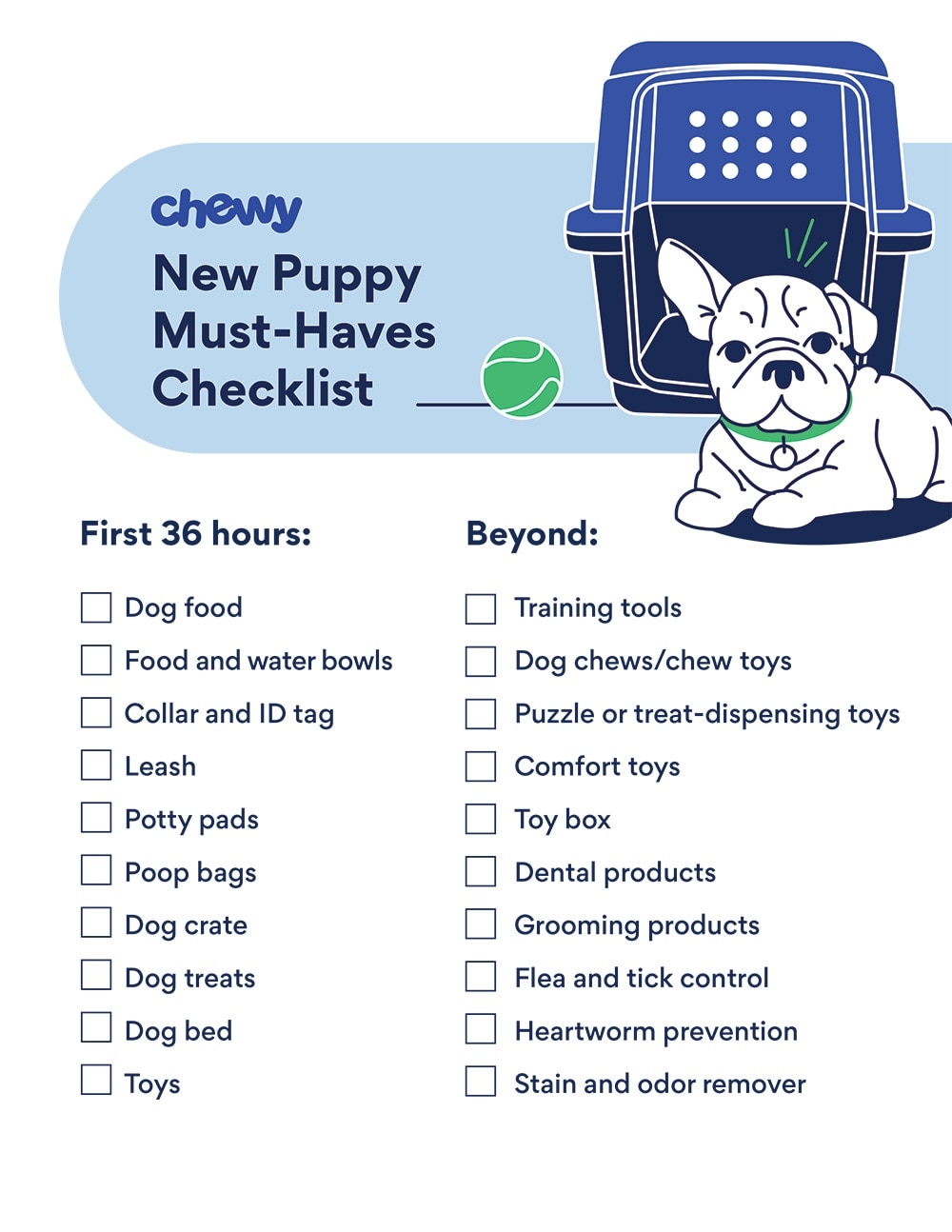
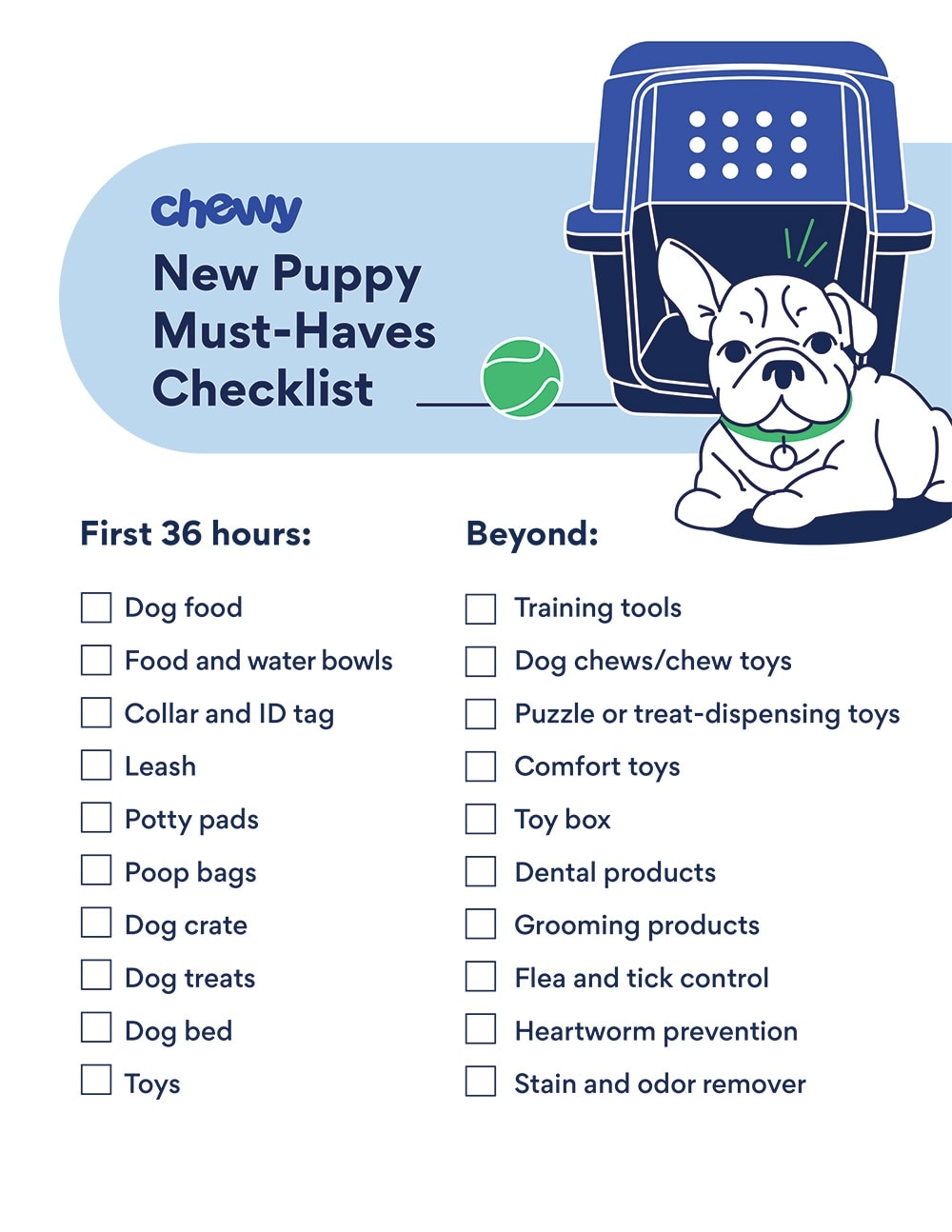
2. User Education: Plain-language checklists—what to ask, which documents to request, safest payment methods—can steer novices away from shady ads.
3. Partnerships with Oversight Groups: Working alongside kennel clubs, welfare NGOs, and consumer-protection agencies helps sites stay current on best practices and legal duties.
The Future of Puppy Listing Sites
Several trends are likely to shape the next generation of services:
1. Smarter Matching: Algorithms could weigh lifestyle factors—yard size, activity level, allergy concerns—to suggest pups that truly fit each home.
2. Stronger Security: Two-step seller verification, escrow-style payments, and blockchain health-record storage may reduce fraud.

3. Welfare-First Design: Features that reward transparency—highlighting enrichment programs, genetic testing, and return-to-breeder policies—will likely move to the forefront.
Conclusion:
Online puppy directories have carved out a central role in how dogs find homes, blending convenience with community. By tightening safeguards, educating users, and championing humane breeding, these platforms can keep improving the journey for every pup and the people eager to welcome them.

