

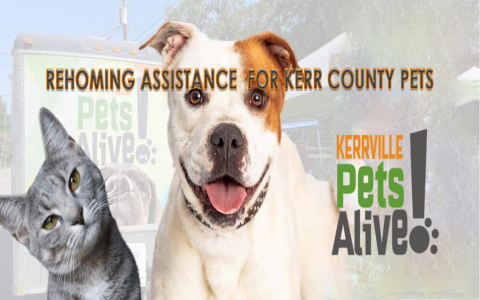
The Importance of Pet Rehoming: A Comprehensive Approach
Introduction
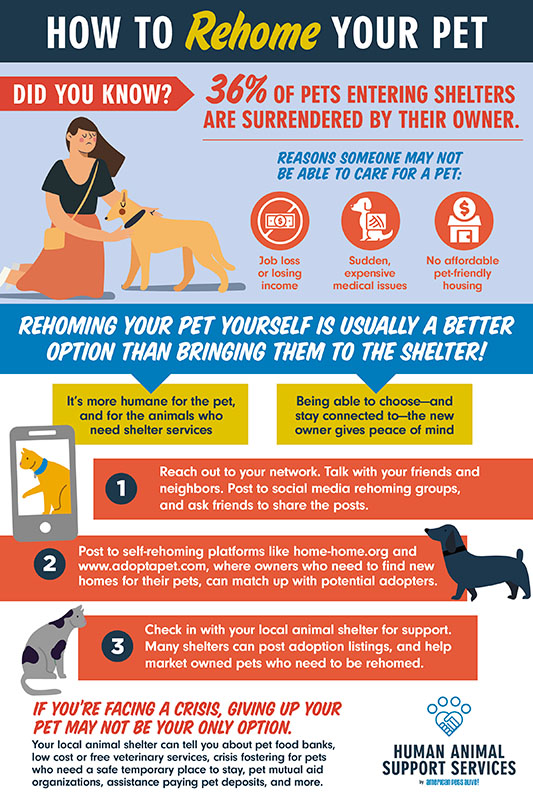
Pet rehoming—the process of placing animals whose owners can no longer keep them into new, responsible households—plays a central role in safeguarding animal welfare. It eases shelter crowding, counters pet overpopulation, and offers countless animals a fresh start. This article examines why rehoming matters, the hurdles involved, and practical steps that can improve success rates for pets and adopters alike.
The Significance of Pet Rehoming
Addressing Pet Overpopulation
Overcrowded shelters remain a worldwide concern. By moving healthy, adoptable animals into private homes, rehoming programs free up kennel space and reduce euthanasia rates, giving more pets the chance to live out their lives in comfort.
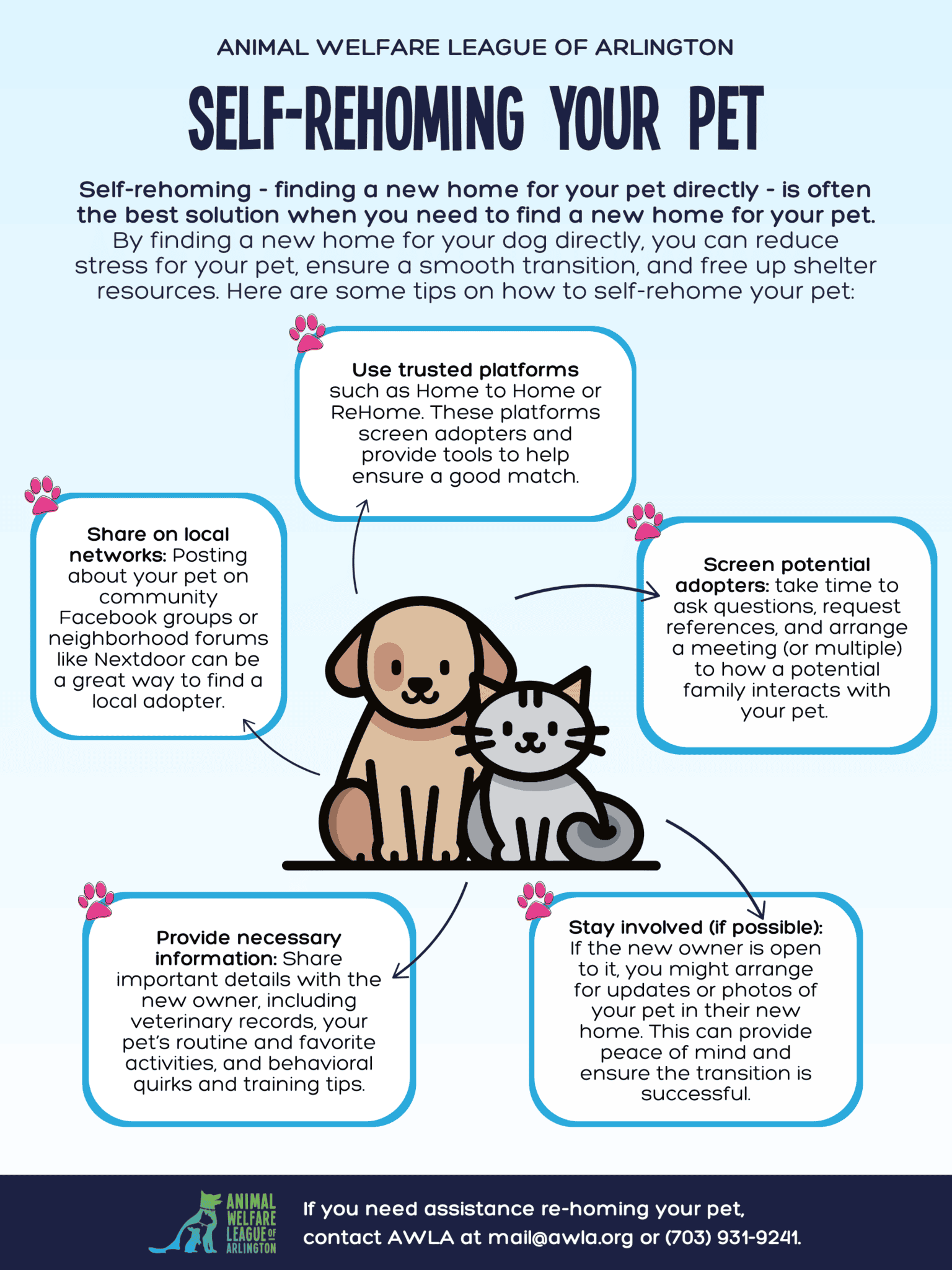
Improving Animal Welfare
Even well-run shelters can be stressful places. Transferring animals to calm, loving homes provides the individual attention, exercise, and stability they need, lowering stress-related illnesses and preventing behavior problems linked to prolonged confinement.
Providing Second Chances
Many surrendered pets were once cherished companions. Rehoming reconnects them with families, restoring the human-animal bond and proving that a change in circumstance does not have to end in permanent loss.
Challenges in Pet Rehoming
Matching the Right Pet with the Right Home
A successful placement balances an animal’s energy, size, and temperament with an adopter’s lifestyle, schedule, and experience. Poor matches often lead to returns or abandonment, underscoring the need for careful screening and honest dialogue.
Addressing Behavioral Issues
Fear, anxiety, or unruly manners can deter would-be adopters. Targeted training, daily enrichment, and, when necessary, professional behavioral support raise adoption prospects and prepare pets for life beyond the shelter walls.
Financial Constraints
High-quality care—vaccinations, sterilization, quality food—adds up quickly. Limited shelter budgets and adopters’ worries about ongoing costs can slow the rehoming process, making creative funding solutions essential.
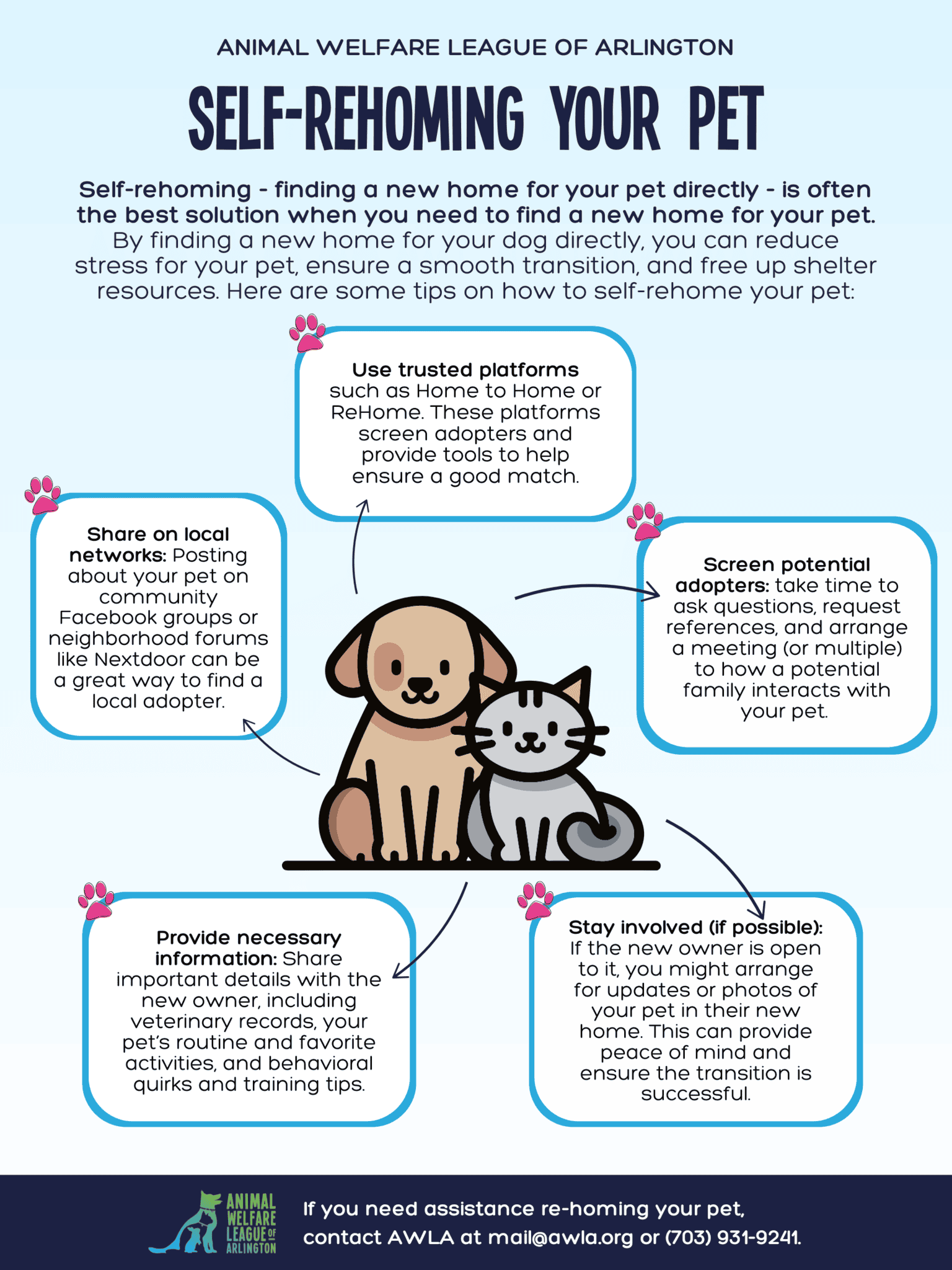
Strategies for Successful Pet Rehoming
Improving Adoption Processes
Streamlined yet thorough application reviews, meet-and-greet sessions, and post-adoption follow-ups help confirm compatibility and reduce returns. Clear, user-friendly profiles that highlight each pet’s personality further guide informed choices.
Enhancing Training and Socialization
Daily exercise, basic manners classes, and gentle exposure to new people, sounds, and handling build confidence and showcase each animal’s best self, increasing the likelihood of a lasting placement.
Community Engagement and Partnerships
Local businesses, veterinary clinics, and volunteer groups can host adoption events, share social-media posts, or donate supplies. These alliances expand outreach and embed rehoming efforts within the fabric of the community.
Financial Support
Fund-raisers, sponsorship programs, and grant applications can offset medical bills, training costs, and adoption promotions. Even modest subsidies—such as covering the first vet visit—often tip the scales for hesitant adopters.
Conclusion
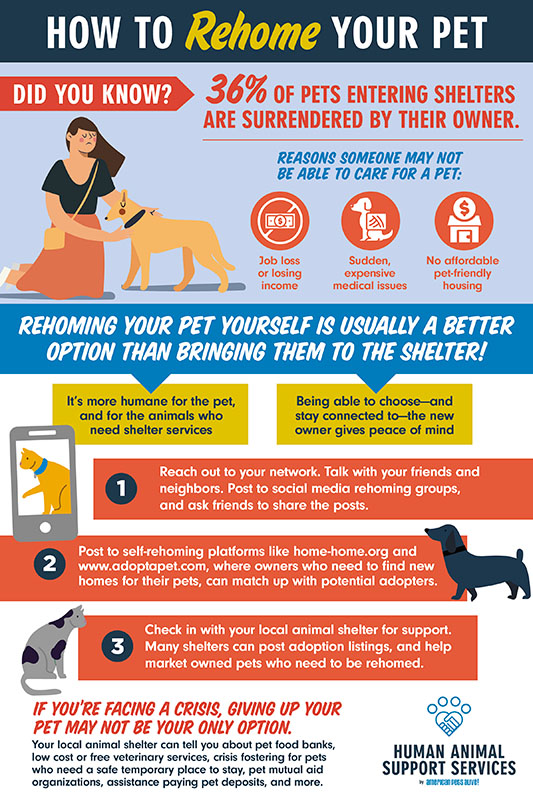
Pet rehoming is a cornerstone of humane animal management. It curbs overpopulation, elevates welfare, and transforms lives—both human and animal. By refining matchmaking protocols, investing in behavior support, and mobilizing community resources, we can turn more shelter stays into lifelong, loving homes.
Recommendations and Future Research
To further enhance pet rehoming efforts, the following recommendations are proposed:
1. Develop standardized assessment tools for both animals and adopters to ensure successful matches.
2. Increase funding for training and socialization programs for animals in shelters.
3. Encourage the implementation of community-based pet rehoming initiatives.
4. Conduct research on the long-term outcomes of pet rehoming to better understand the impact on both animals and adopters.
By addressing these recommendations and continuing to explore innovative approaches to pet rehoming, we can create a more compassionate and sustainable future for animals in need.


