Title: How Microchip Look-Ups Strengthen Everyday Pet Care
Introduction
In today’s busy world, companion animals are cherished family members, and keeping them safe is a top priority. A tiny microchip, paired with an online look-up tool, offers owners a reliable safety net when a curious cat or adventurous dog slips out of sight. This article explains why registering that chip and knowing how to search the database matter more than ever, and what tomorrow’s identification trends may bring.
Understanding Microchip Look-Up Services
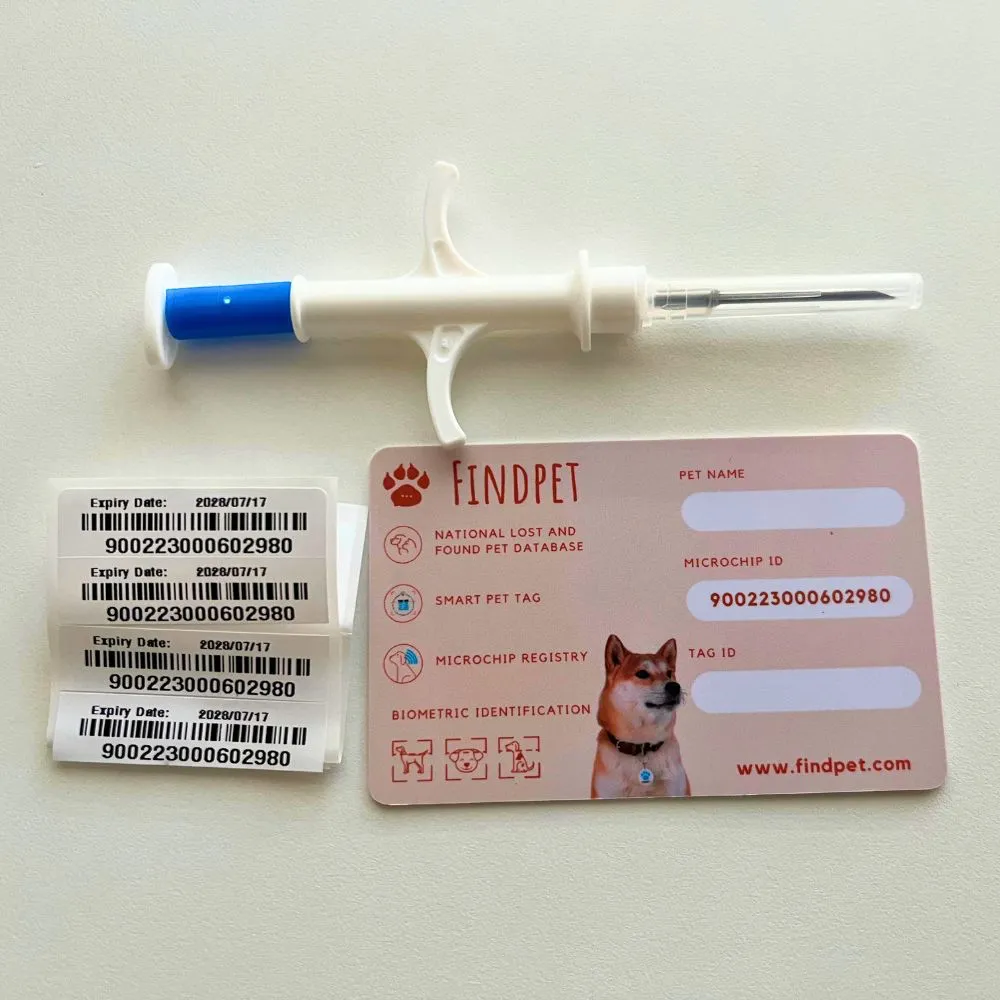
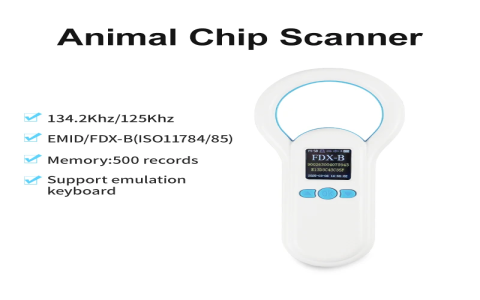
A microchip is a glass-encapsulated device about the size of a grain of rice, injected just beneath the skin. It carries a unique number that can be read in seconds with a handheld scanner. Once the number is entered into an online registry, the finder can view the owner’s chosen contact details and arrange a quick reunion.
Several nonprofit and commercial platforms host these registries; many are free to search and update, encouraging widespread participation among clinics, shelters, and the public.
Key Benefits for Guardians
1. Higher Chance of Coming Home: Independent studies show chipped animals are returned to their families at roughly double the rate of those without chips.
2. Budget-Friendly Security: Implantation is a one-time veterinary fee, and basic registry access is usually complimentary, making it one of the least expensive forms of pet insurance.
3. Simple Maintenance: Owners can log in from any device to check that details are current, add alternate phone numbers, or note special medical needs.
4. Peace of Mind: Knowing the chip is in place and the profile is up-to-date reduces anxiety during door-dashing incidents, vacations, or natural disasters.
Everyday Reunions
Shelter staff routinely scan incoming animals and pull up owner information within minutes. Dogs picked up miles from home, cats discovered after storms, and even rabbits found in parks have all been reunited the same day because a chip led straight to the person who missed them.
These quiet success stories happen thousands of times a year, underscoring the value of keeping contact information current.
Common Hurdles
The system only works when the chip is registered and the profile is accurate. Outdated phone numbers, e-mail addresses, or a change of surname can delay or prevent contact. Encouraging every adopter—whether the pet came from a rescue or a neighbor—to complete the paperwork is an ongoing challenge for veterinarians and shelters alike.
What Lies Ahead
Innovation continues to refine how we identify animals:
1. Enhanced RFID: Longer read-range chips may allow gate or door scanners to alert owners the moment a pet leaves a designated zone.
2. Decentralized Records: Distributed ledger concepts could let multiple authorized parties update and verify ownership without a single point of failure.
3. Biometric Tools: Nose-print and facial-recognition apps are entering pilot programs, offering a non-invasive backup when a chip migrates or a scanner is unavailable.
Conclusion
Microchip look-up services remain one of the quickest, most cost-effective ways to safeguard the animals who share our homes. Registering the chip takes moments; updating it after a move or new phone number takes even less. By embracing this small step today—and staying open to the smarter tools of tomorrow—owners give their companions the best odds of a fast, happy reunion should they ever wander too far.
A few clicks and a simple scan can turn a heart-breaking loss into a joyful doorstep return, proving that sometimes the smallest technology carries the greatest love.