

Introduction
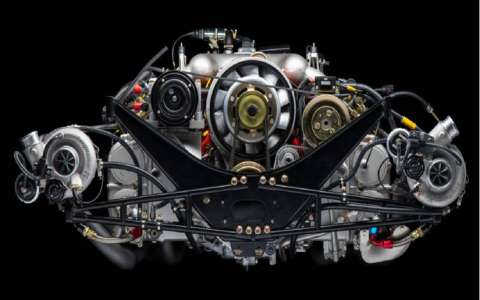
The horizontally opposed, or “boxer,” engine has been a familiar sight under countless hoods for more than half a century. Its flat layout and naturally balanced operation have earned it a loyal following, yet discussions about its long-term dependability continue to divide drivers and technicians. This overview explores what makes the configuration appealing, how it behaves in daily use, and what owners tend to report after years behind the wheel.
Design and Construction
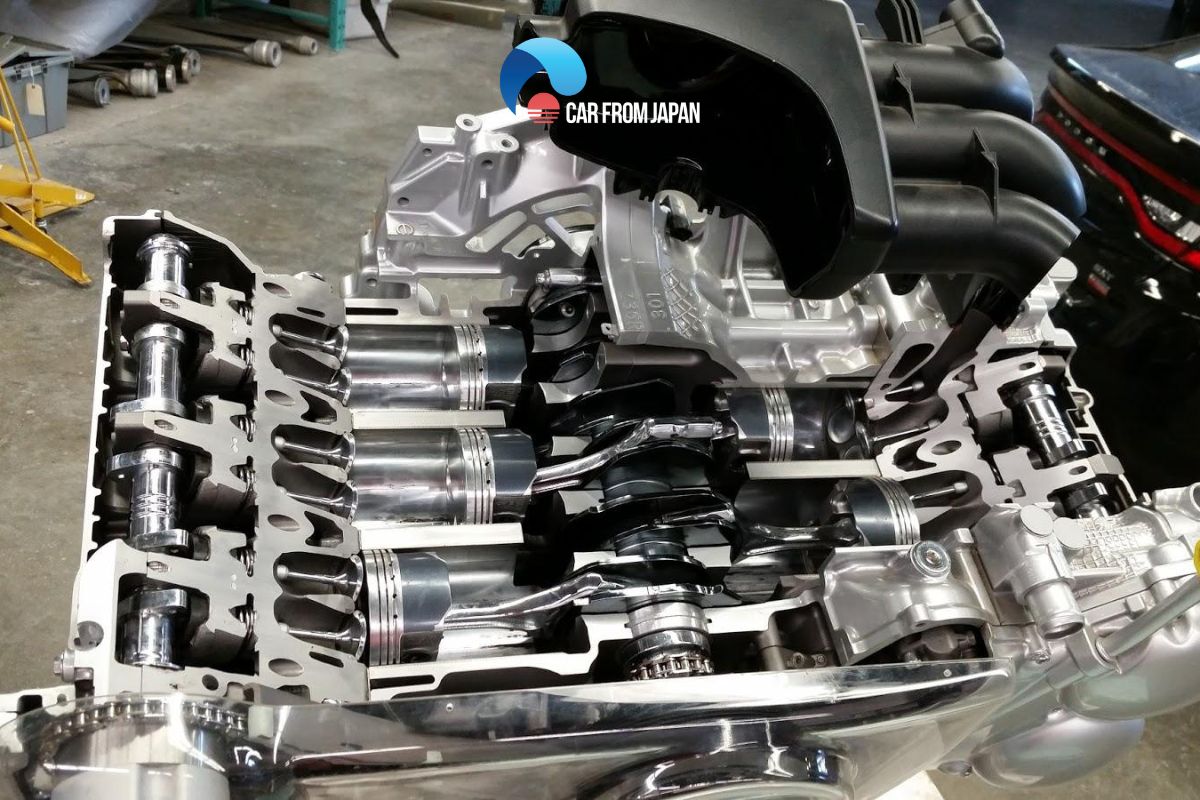
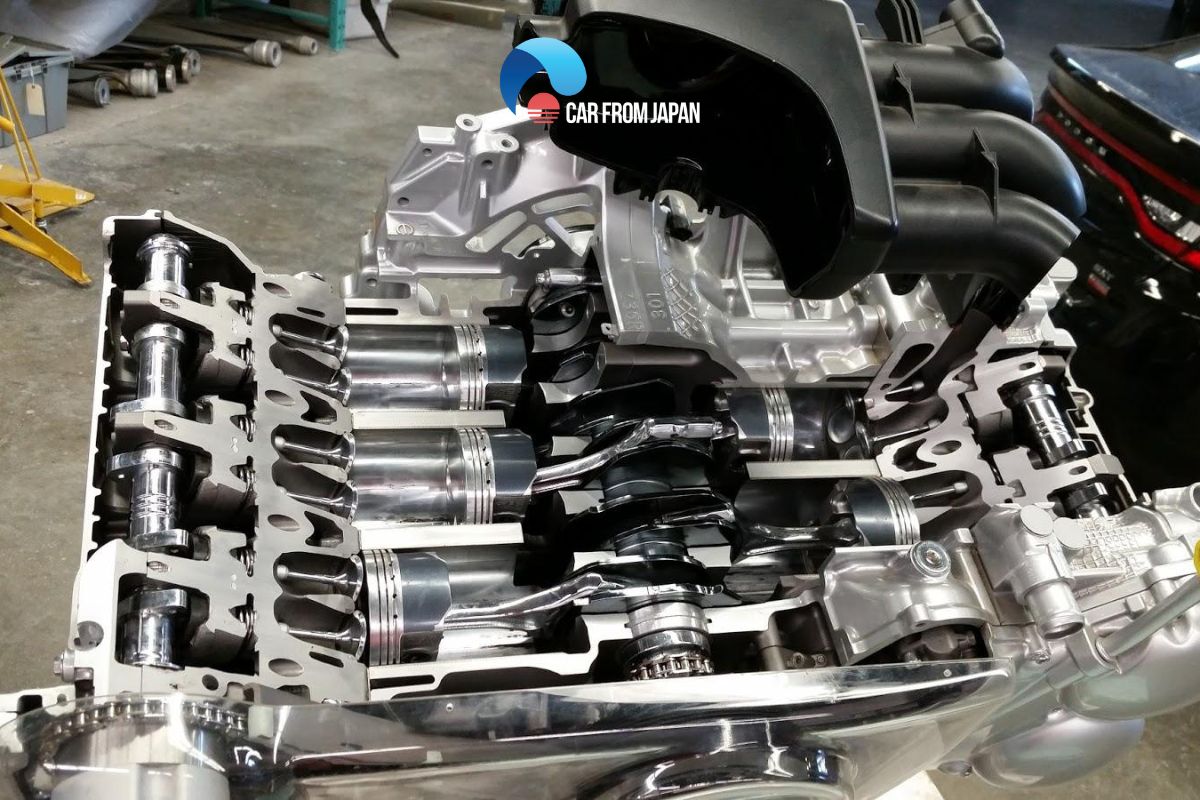
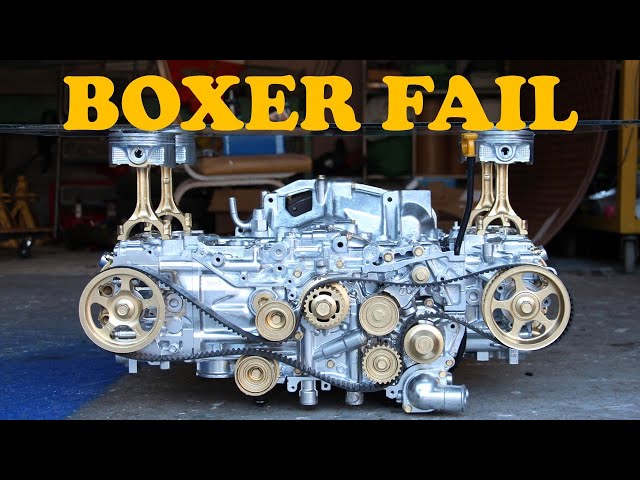
Instead of lining cylinders in a row or angling them into a V, a boxer engine places pairs of pistons flat on either side of the crankshaft so they thrust outward like boxers jabbing in tandem. This mirrored geometry lowers the center of gravity and cancels many of the primary forces that shake other layouts.
Symmetrical Weight Distribution
Because each piston’s motion is countered by its opposite twin, the engine sits balanced without heavy counterweights. The resulting even load on bearings and mounts helps components live longer and keeps vibration from rattling adjacent parts.
Vibration Reduction
With opposing pistons reaching top and bottom dead center at the same moment, second-order shake is naturally subdued. Drivers notice less tingling in the steering wheel and mirrors, while internal parts endure fewer micro-impacts over thousands of hours of operation.
Performance and Efficiency
The wide, short block leaves room for long connecting rods and generous compression ratios without forcing the bonnet higher. The layout can translate into brisk throttle response, ample mid-range torque, and competitive fuel consumption figures.
Fuel Economy
Independent tests have recorded modest but consistent gains in kilometres-per-litre compared with similarly sized inline units, thanks to reduced pumping losses and the ability to run slightly leaner mixtures while remaining smooth.
Power Output
Longer stroke potential and efficient breathing give the design a broad torque curve. Manufacturers often exploit this trait in sports-oriented models, where strong pull from low revs is prized over peak horsepower bragging rights.
Owner Experiences
Forums and owner surveys repeatedly highlight three themes: satisfying smoothness, faithful service life, and manageable upkeep. While no powertrain is flawless, boxer units tend to inspire unusually strong loyalty.
Longevity
Stories of odometers rolling past major milestones without internal work are common. Regular oil changes and prompt seal replacements are usually credited for the extended life span many drivers enjoy.
Maintenance
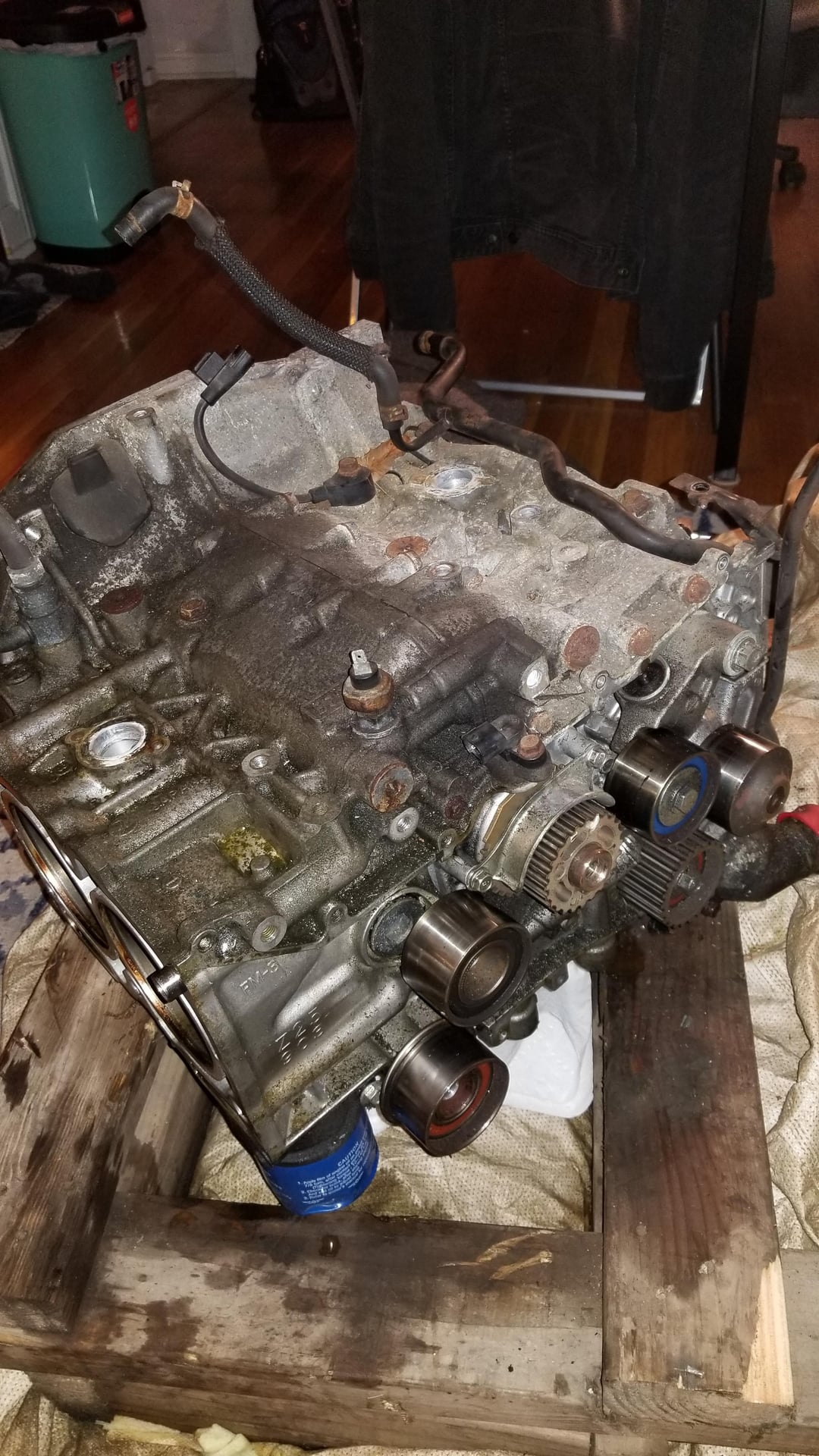
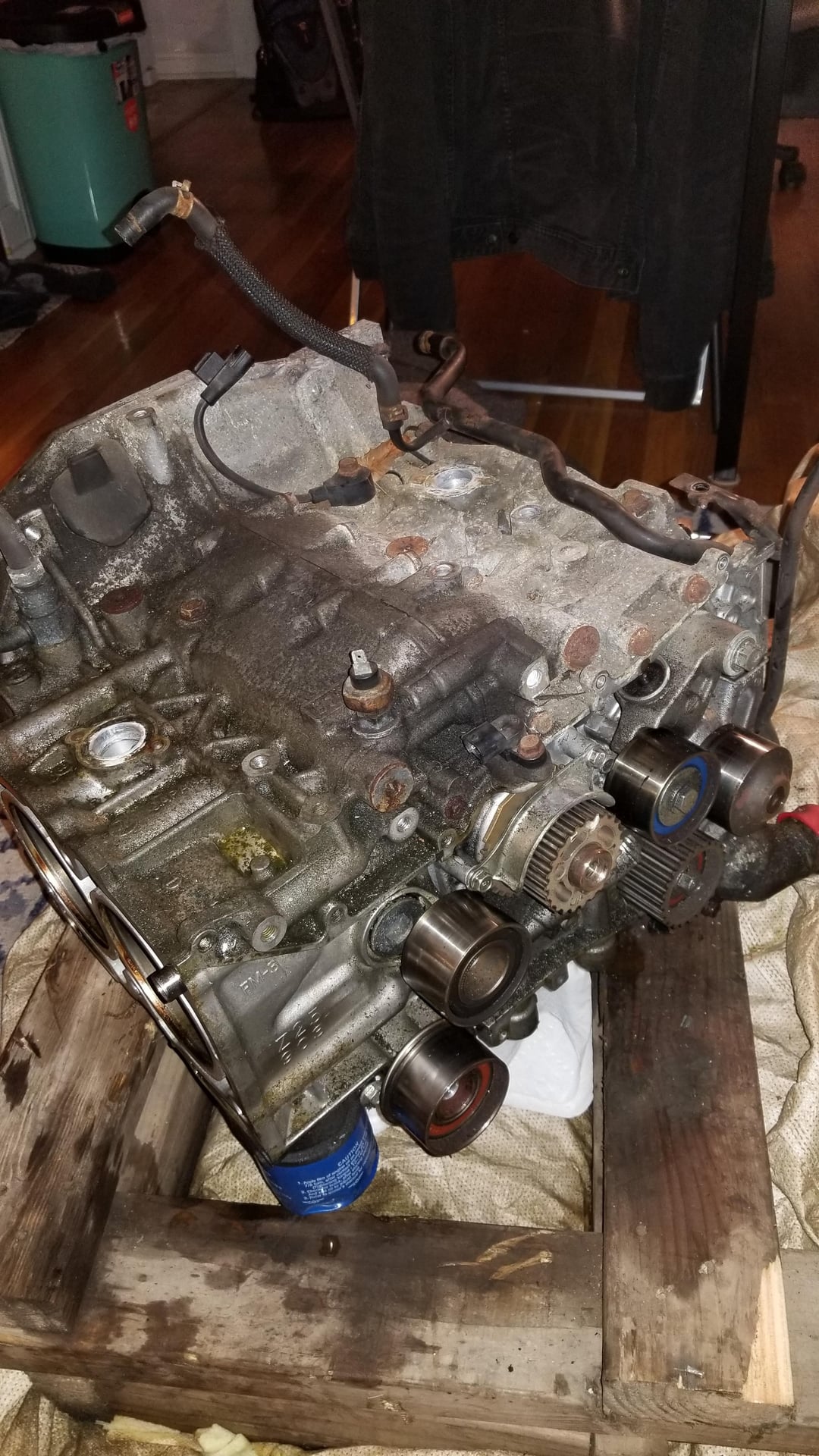
Routine tasks such as oil, filter, and spark-plug swaps are straightforward. Some jobs—like resealing the lower crankcase—require patience and an engine hoist, yet intervals are long enough that the overall cost of ownership remains reasonable.
Expert Opinions
Industry engineers often praise the layout for teaching valuable lessons about balance and packaging. Several premium brands have stayed loyal to the concept for decades, citing both customer satisfaction and continuous refinement.
Historical Advocate
Early champions of the configuration argued that its mechanical harmony made it ideal for vehicles where every kilogram and every millimetre counted. Their confidence helped establish a reputation that endures in modern line-ups.
Continued Commitment
Today’s sports-car divisions still feature flat engines prominently, gradually adding turbocharging and direct injection while preserving the fundamental shape. The sustained investment signals trust in the architecture’s robustness and future potential.
Conclusion
When maintained thoughtfully, the boxer engine delivers a rare blend of refinement, durability, and engaging character. Its inherent balance reduces strain on parts, while owner feedback and manufacturer persistence reinforce the notion that the design remains a sound, practical choice.
Recommendations and Future Research
Prospective buyers should investigate service records specific to the model year they have in mind, paying attention to seal health and oil-change intervals. Meanwhile, engineers continue experimenting with new materials and tighter tolerances to push durability and efficiency even further.
In summary, the horizontally opposed engine offers a smooth, dependable route to everyday driving pleasure. Its distinctive layout, proven track record, and enthusiastic community support keep it relevant for anyone seeking a harmonious mix of performance and practicality.


