


Title: The Art and Science of Boston Terrier Breeding in New England
Introduction
The Boston Terrier, instantly recognizable by its tuxedo coat and gentle disposition, has long been a favorite across New England. Developed in the region more than a century ago, the breed remains a living reminder of America’s early canine heritage. This overview looks at how dedicated breeders balance creativity with research to keep these companion dogs sound, spirited, and true to type.
History of Boston Terriers in New England
In the late 1800s, fanciers blended compact bulldog-type stock with agile terriers to create a smaller, even-tempered dog suited to city life. The new variety quickly gained admirers in Boston and surrounding towns, becoming a familiar face at parks, homes, and show halls alike. Formal recognition followed soon after, sealing the breed’s identity and cementing its nickname, “The American Gentleman.”
From coastal walks to autumn fairs, Boston Terriers have accompanied generations of families, evolving into a regional icon celebrated for both charm and resilience.
The Art of Boston Terrier Breeding
Successful breeding begins with an eye for balance: breeders weigh coat markings, body proportions, and steady temperaments to preserve the breed’s classic outline and friendly nature. Conscientious kennels study pedigrees, observe adult dogs at play, and place pups in homes that match their energy levels, ensuring each generation retains the hallmark sociability that first won hearts.
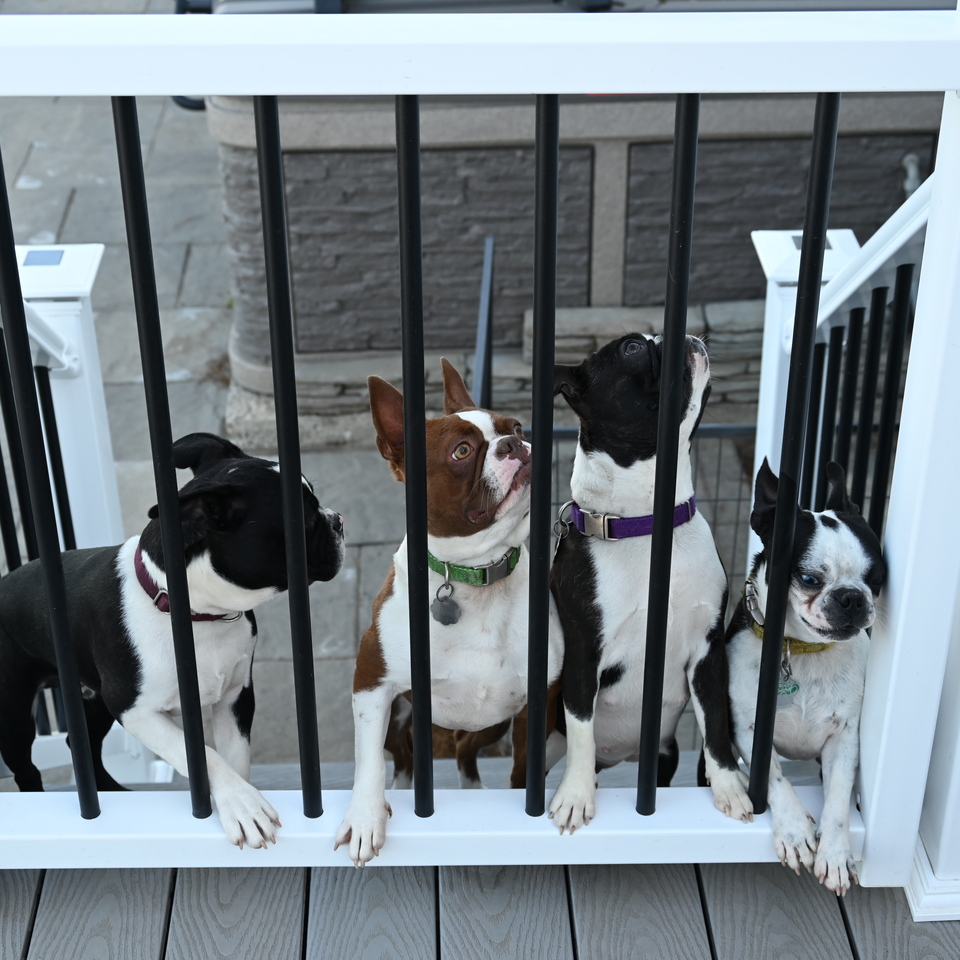
Pair selection is guided by more than appearance; traits such as patience with children, adaptability to apartment life, and eagerness to learn are all part of the artistic equation.
The Science of Boston Terrier Breeding
Modern tools add precision to tradition. Health screenings for cardiac function, patellar stability, and ocular clarity help breeders identify risks before mating decisions are made. By tracking results across multiple generations, programs steadily reduce the incidence of inherited disorders while maintaining the lively expression that defines the breed.
DNA panels also reveal coat color genetics, allowing breeders to predict markings and avoid combinations linked to deafness or skin sensitivities.
The Challenges of Boston Terrier Breeding
The same short muzzle that gives the Boston Terrier its distinct look can complicate temperature regulation and respiration. Ethical breeders monitor exercise in warm weather, favor moderate body condition, and select mates with slightly longer nasal passages to ease breathing without sacrificing type.
Whelping can present additional hurdles because of the puppies’ rounded heads; experienced caretakers maintain close veterinary contact to safeguard both dams and newborns.
The Role of Boston Terrier Breeders New England
Regional clubs and independent enthusiasts serve as stewards, organizing educational meets, supporting rescue networks, and mentoring newcomers. Their collective goal is to place healthy, well-socialized dogs in lasting homes while promoting sports such as rally, agility, and therapy work that showcase the breed’s versatility.
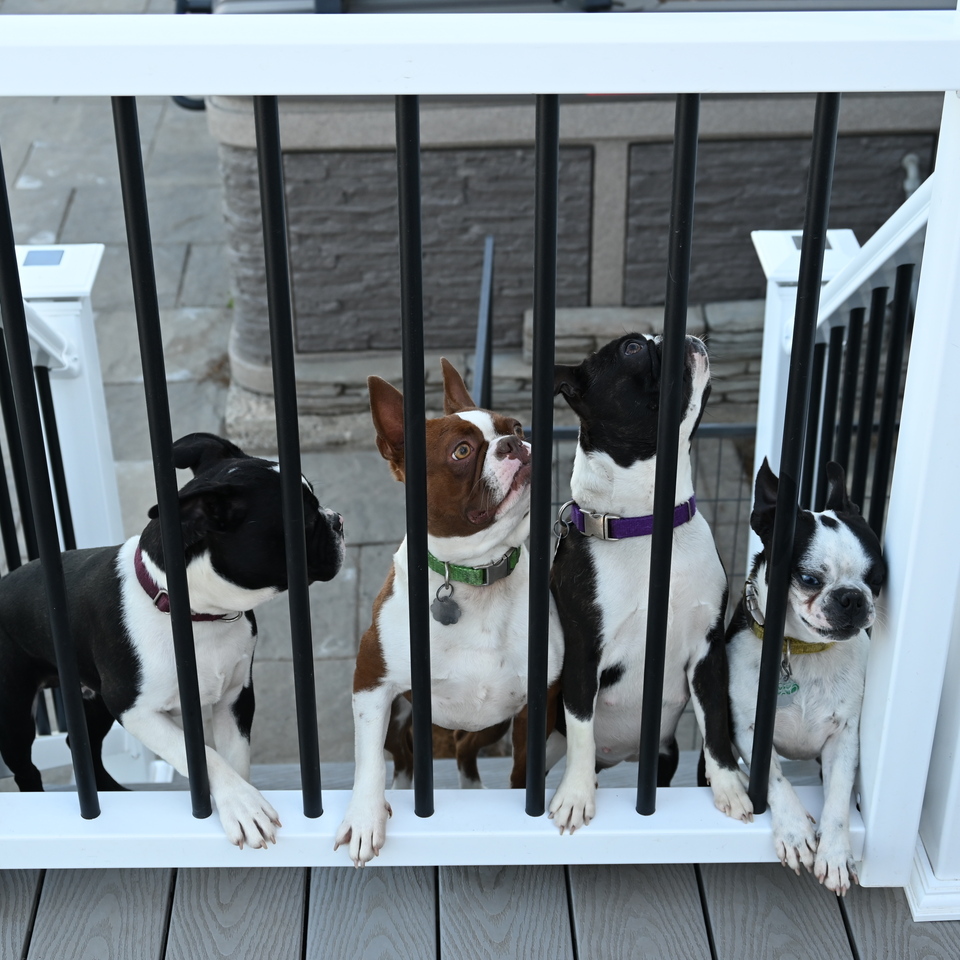
Through open health databases and candid conversations, these breeders foster transparency, helping future owners understand exercise needs, training tips, and lifelong care.
Conclusion
Boston Terrier breeding in New England continues to thrive at the intersection of passion and evidence-based practice. By honoring the past and embracing emerging science, local fanciers ensure that each wiggly, wide-eyed puppy embodies the steadiness, style, and affection that have made the breed a perennial favorite.
With ongoing collaboration, health testing, and a shared love for the dogs, the region’s breeders are well positioned to carry this spirited companion forward for many generations to come.

