

The Global Animal Trade: A Broad Overview
Introduction
The trade in animals has expanded steadily, meeting a wide spectrum of human interests. Whether for companionship, agriculture, or curiosity, countless species are now exchanged worldwide. This overview outlines the main categories of animals involved, the moral questions raised, and the rules that govern their movement.
Categories of Animals in Commerce
1. Companion Animals
Dogs, cats, birds, fish, and small mammals remain the most familiar purchases. They are usually sought for friendship and household enjoyment.
2. Unusual Pets
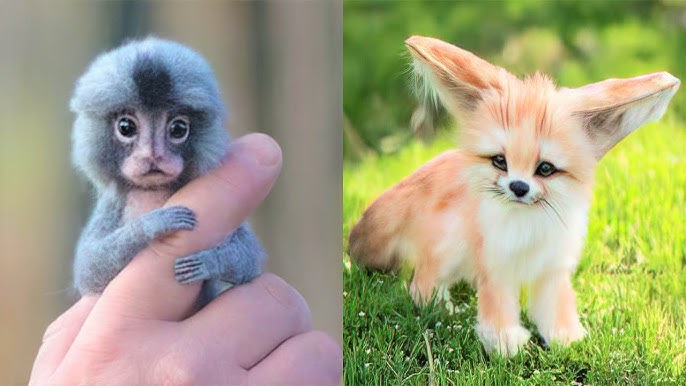
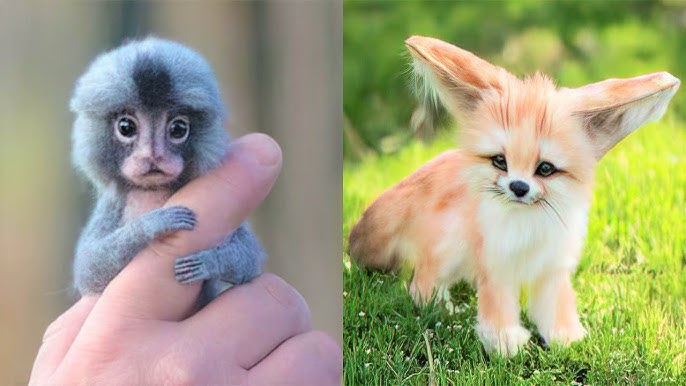
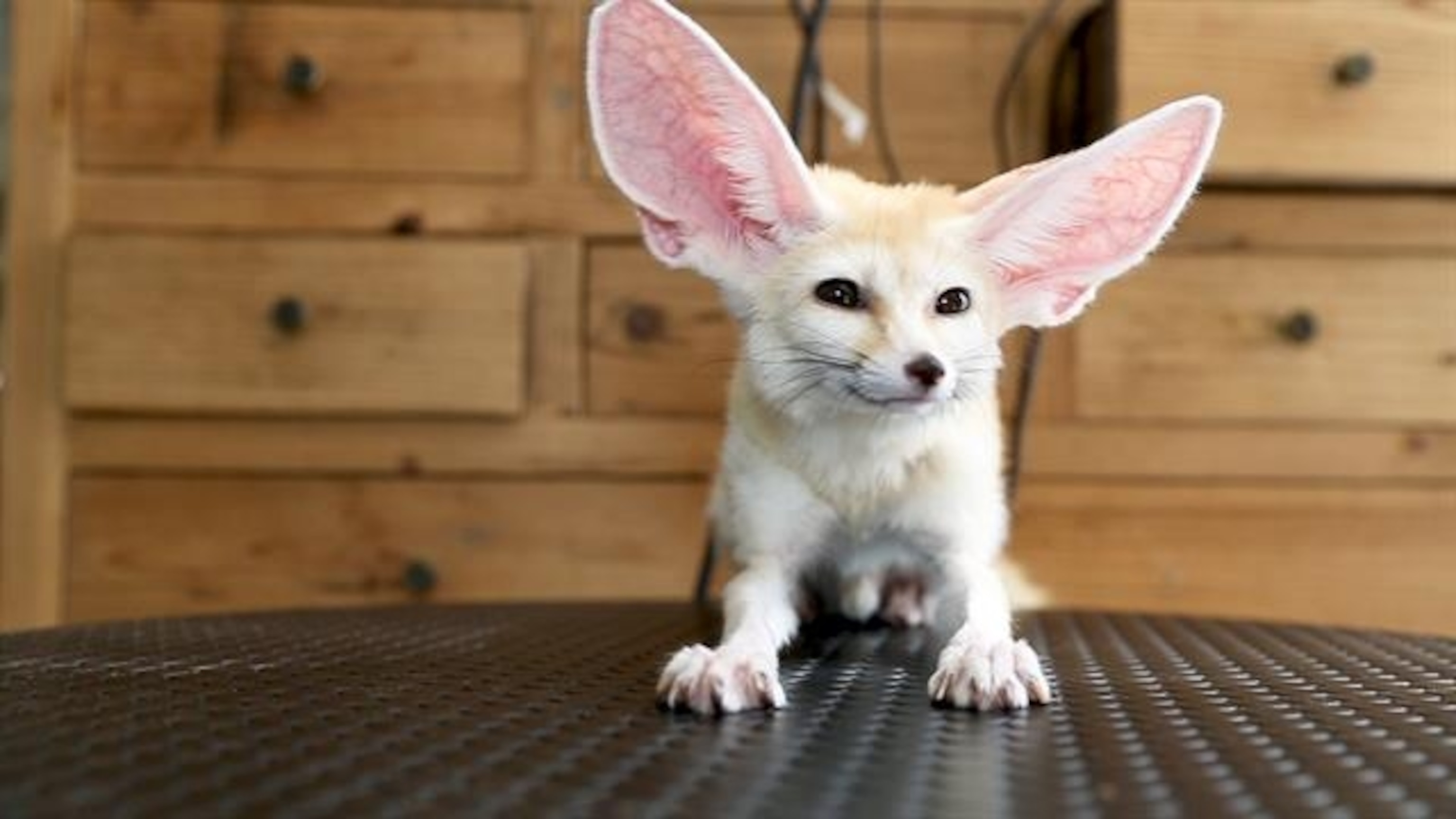
Reptiles, amphibians, and specialty birds attract hobbyists looking for something distinctive. These creatures often demand specialized care and habitats.
3. Farm Animals
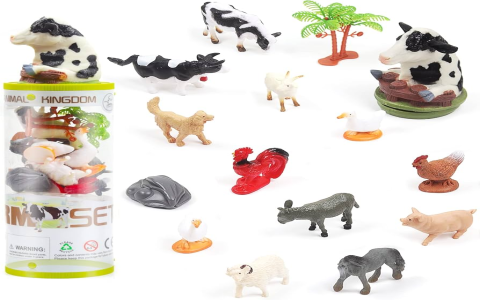
Cattle, sheep, goats, and pigs are acquired primarily for food, fiber, or dairy production, forming the backbone of agricultural economies.
4. Wild-Origin Species
Some jurisdictions allow limited trade in captive-bred wildlife or species classified as pests, though many nations restrict such sales to protect native ecosystems.
Ethical Dimensions
1. Welfare Standards
Every transaction should guarantee adequate shelter, nutrition, and veterinary attention. Humane treatment is a baseline expectation, not a luxury.
2. Philosophical Debate
Critics question whether living beings should be treated as merchandise, urging society to value animals beyond their price tags.
3. Conservation Impact
High demand can pressure wild populations. Buyers and sellers alike must weigh the ecological footprint of removing animals from their natural ranges.
Legal Framework
1. Domestic Statutes
Most countries license breeders, set care standards, and ban or limit trade in particular species. Rules differ sharply from one nation to the next.
2. Cross-Border Controls
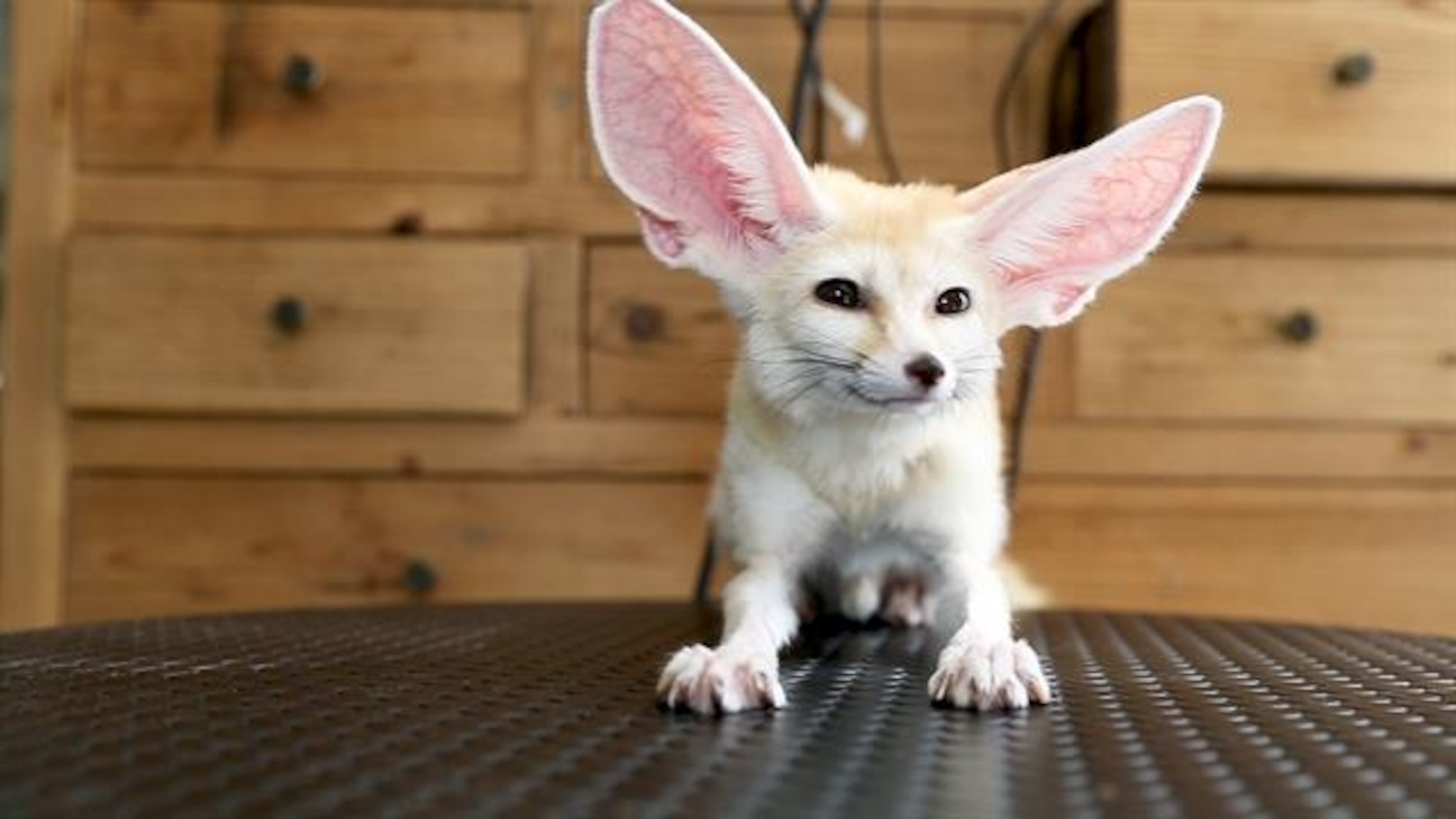
Quarantine, health certification, and species checks aim to curb disease and invasive-species risks whenever animals cross frontiers.
3. Protected Species
International agreements prohibit commercial trade in threatened fauna, requiring permits even for non-commercial movement.
Focus on Unusual Pets
1. Rising Demand
Viral videos and online groups have fueled fascination with rare reptiles, parrots, and invertebrates, pushing sales upward.
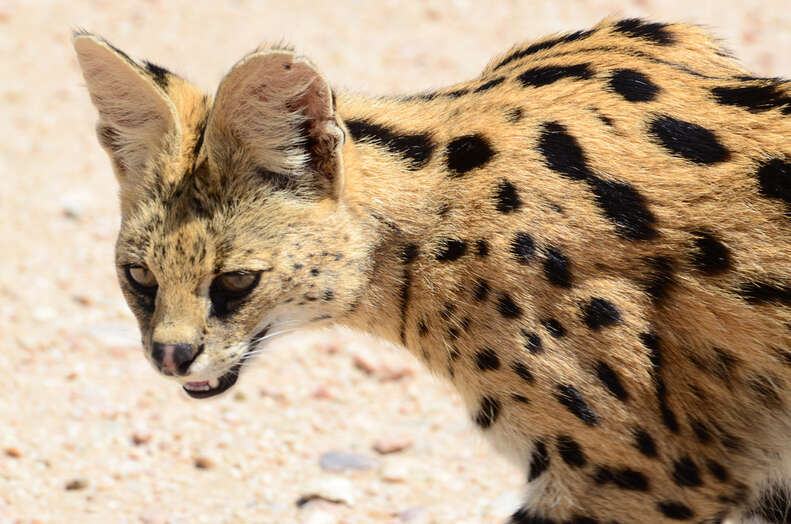
2. Care Challenges
Specialized diets, temperature gradients, and enrichment needs overwhelm many new keepers, leading to preventable suffering.
3. Oversight Gaps
Loosely enforced rules can allow illicit trafficking, endangering both animals and the ecosystems they come from.
Role of Breeders and Sellers
1. Best Practices
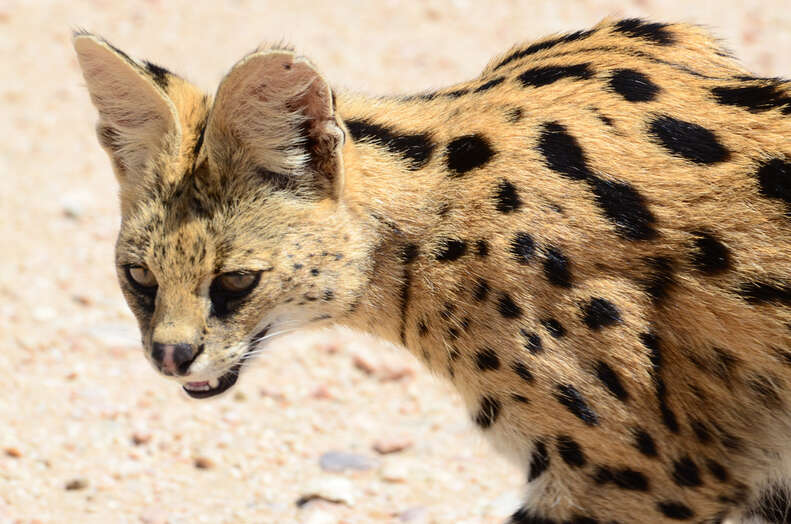
Reputable breeders prioritize health screenings, socialization, and genetic diversity, helping to produce robust animals.
2. Vendor Responsibility
Ethical sellers screen buyers, offer guidance, and refuse transactions when welfare cannot be assured.
Social Media Influence
1. Spotlight on Welfare
Platforms expose both exemplary care and shocking neglect, mobilizing public pressure for reform.
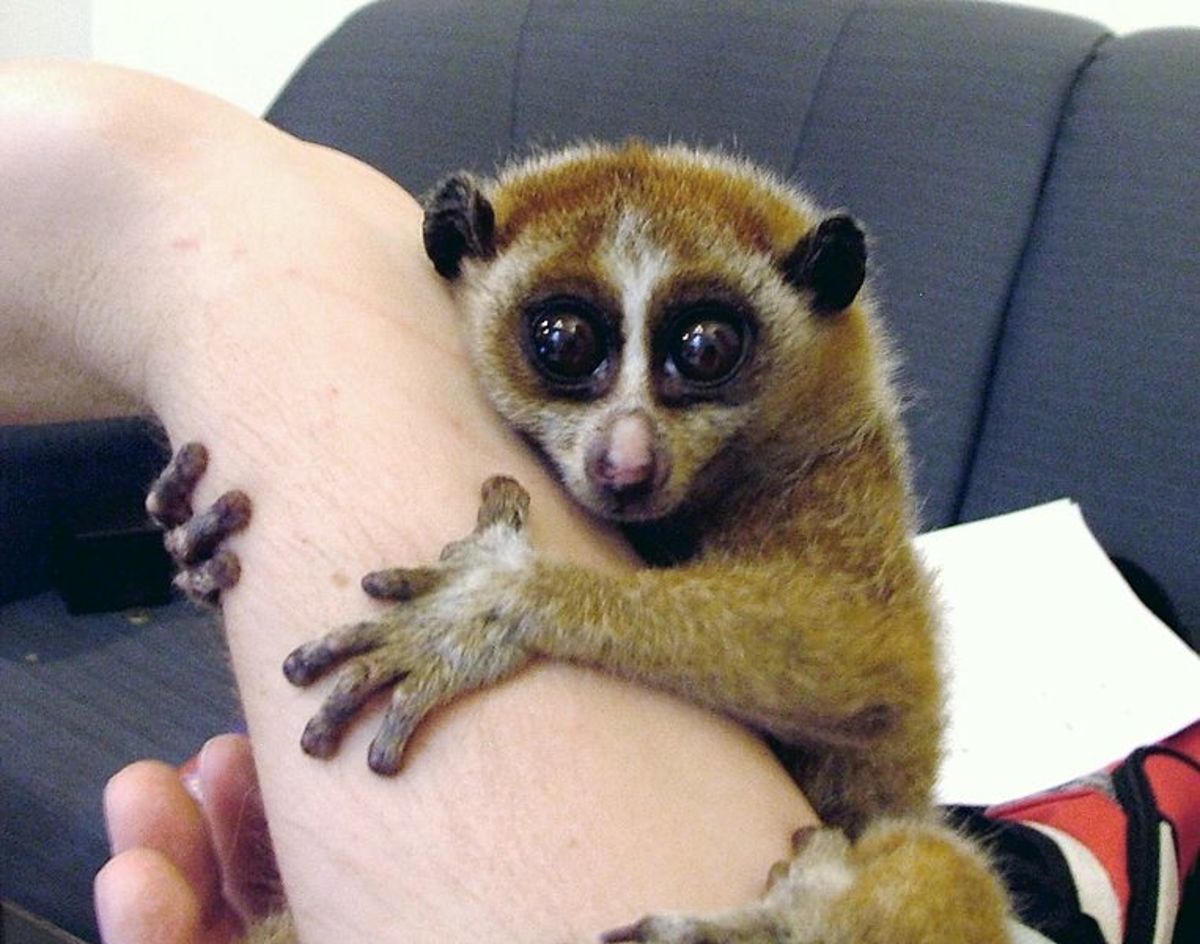
2. Marketing Power
Eye-catching posts can boost demand overnight, complicating efforts to monitor legal compliance.
Conclusion
The animal trade touches pets, livestock, and wildlife alike, intertwining ethical, ecological, and legal threads. Thoughtful purchasing, robust oversight, and educated communities are vital to safeguard creatures and the habitats they represent.
Recommendations and Future Directions
1. Tighter Standards
Updating welfare codes and closing loopholes will better shield animals from neglect and illegal trafficking.
2. Outreach Programs
Clear, accessible information can steer consumers toward responsible choices and alert them to red flags.
3. Science-Based Care
Continued study of behavior, nutrition, and housing will refine husbandry guidelines across species.
4. Global Cooperation
Harmonized policies and data sharing among nations can curb unsustainable demand and support field conservation.
In short, a fair, sustainable animal trade hinges on shared responsibility—among lawmakers, industry, and the public—to respect life while meeting human needs.


