

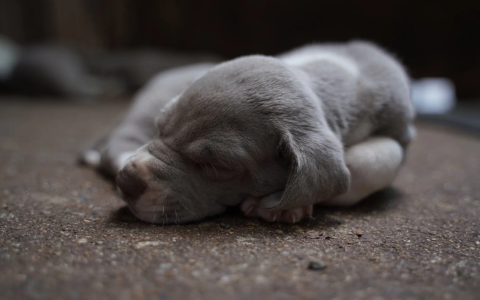
Great Dane Puppies: A Friendly Guide to Living with Gentle Giants
Introduction
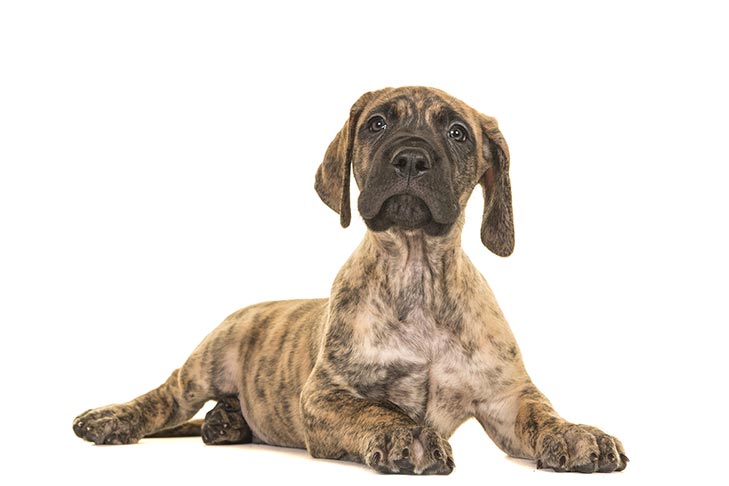
Great Dane puppies, often nicknamed “Apollo of dogs,” win people over with their calm charm and impressive size. Originally bred to guard estates and hunt boar, they have mellowed into affectionate family companions. This overview explores what to expect when you welcome one of these lovable giants into your home, from puppyhood to adulthood.
The Great Dane: A Brief History
Depictions of Dane-like dogs appear in ancient art, but the breed as we know it took shape in Europe several centuries ago. Nobles valued the dogs for strength and elegance, later refining them into the steady, people-oriented breed popular today. Adults typically stand about thirty inches at the shoulder and weigh well over one hundred pounds, yet they are famous for leaning against their humans like oversized lapdogs.
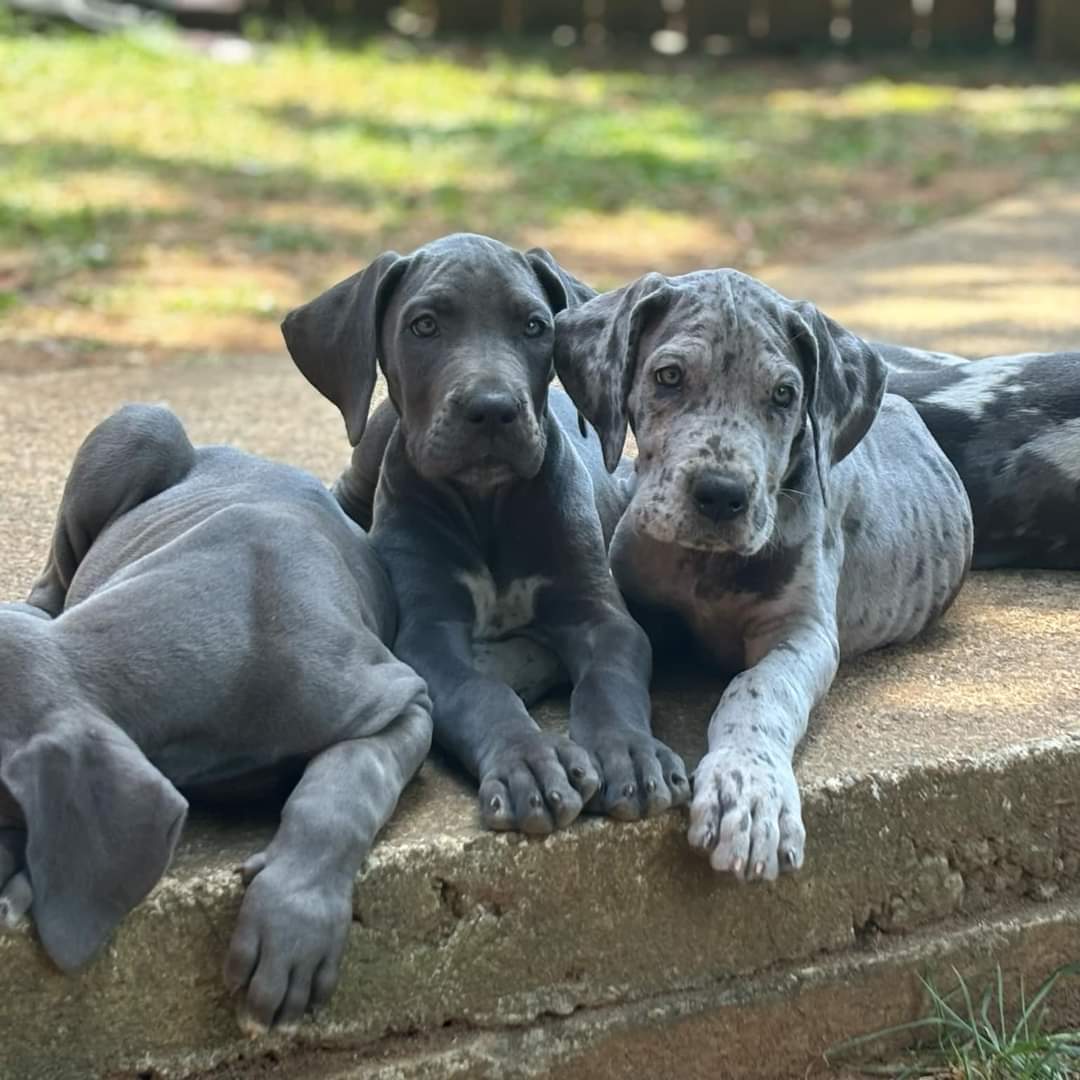
Characteristics of Great Dane Puppies
Temperament
Puppies are playful, sensitive and eager to please. Early, positive exposure to new sights, sounds and friends helps them grow into confident, courteous adults. Despite their stature, most remain gentle with children and polite with visitors when guided kindly.
Exercise Requirements
Moderate daily activity keeps joints strong and minds content. Two leash walks and a few short play sessions usually suffice. Because bones develop rapidly, avoid forced running or repetitive jumping until your vet confirms growth plates have closed.
Grooming
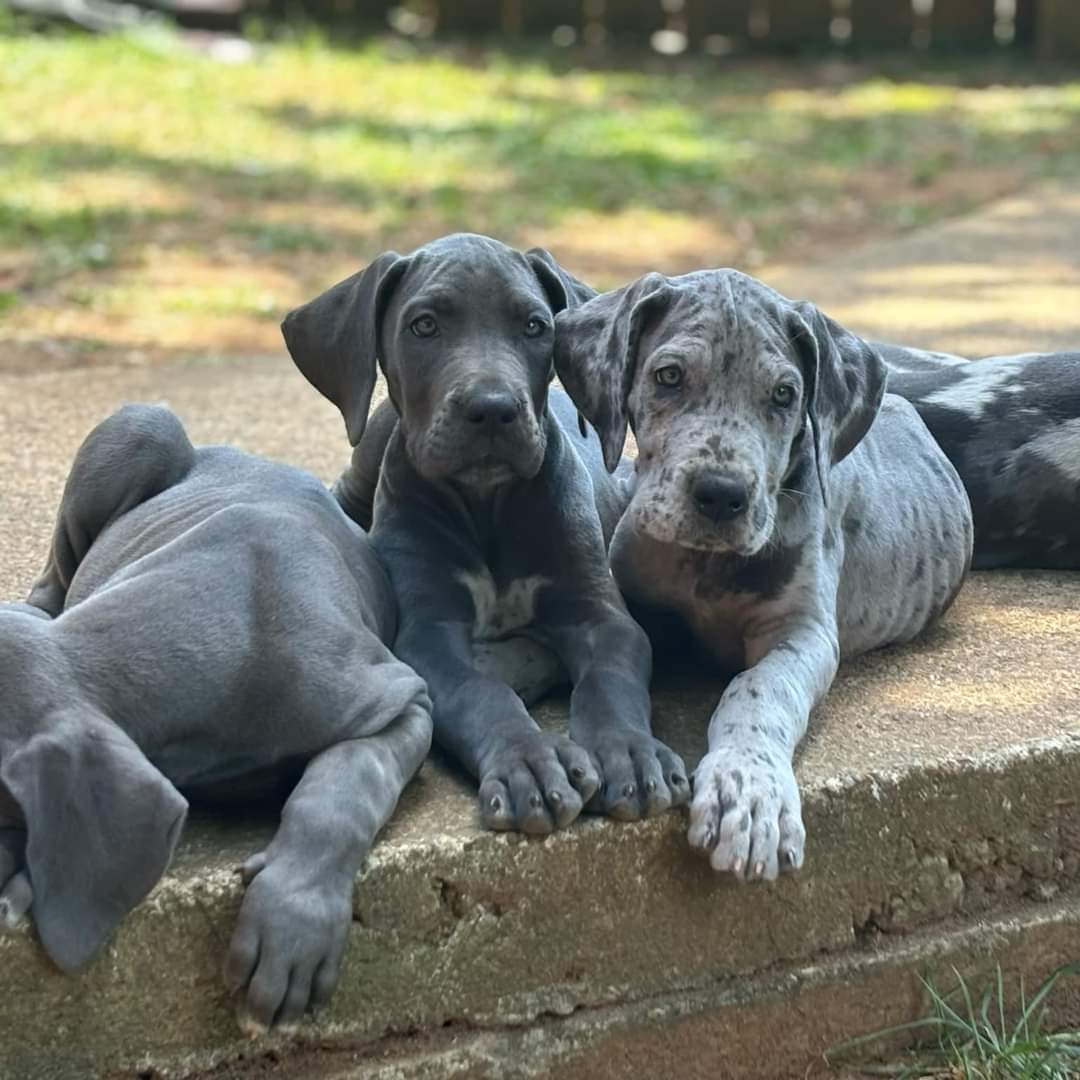
A quick weekly brush keeps the short coat glossy and removes loose hair. Nails should be trimmed monthly, ears checked for cleanliness, and baths given only when the dog is truly dirty to preserve natural skin oils.
Caring for Great Dane Puppies
Nutrition
Choose a large-breed puppy formula that delivers balanced calcium and phosphorus. Feed measured meals rather than free-choice to promote slow, steady growth. Fresh water must always be available; raised bowls may reduce air intake and discomfort while drinking.
Health and Wellness
Like many big dogs, Danes can face joint, cardiac and digestive challenges. Schedule regular vet visits, keep vaccinations current and learn the signs of bloat so you can react quickly if needed. Maintaining a lean body condition is one of the simplest ways to support lifelong health.
Training and Socialization
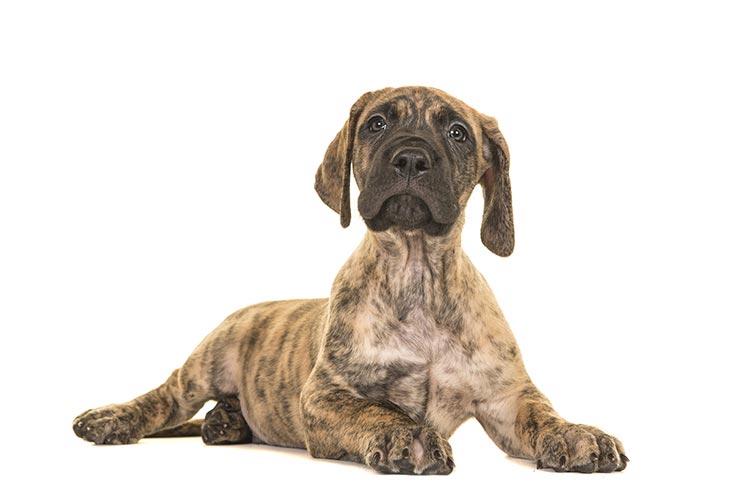
Start basic manners the day your puppy arrives. Reward calm behavior, teach a reliable “come,” and practice leash skills before the dog reaches full size. Puppy classes, neighborhood strolls and friendly visits to pet-welcoming stores build confidence and good habits.
The Joys of Owning a Great Dane Puppy
Life with a Dane is filled with quiet devotion and comic moments. Expect a devoted shadow who rests his head on your knee, a warm presence on movie nights and a natural ice-breaker during walks. Their expressive eyes and goofy gallop remind owners daily that bigger really can mean sweeter.
Conclusion
Raising a Great Dane puppy calls for patience, space and a sense of humor, yet the payoff is a steadfast friend who offers loyalty in extra-large doses. Provide thoughtful nutrition, sensible exercise, gentle guidance and routine veterinary care, and your gentle giant will reward you with years of companionship and heartwarming memories.
Future Research and Recommendations
Ongoing studies into hereditary conditions, optimal growth rates and the benefits of early enrichment will help owners and veterinarians support even healthier, happier Danes. Until then, prospective guardians are encouraged to seek responsible breeders who screen for health, adopt from reputable rescues when possible, and commit to lifelong learning about this remarkable breed.


