

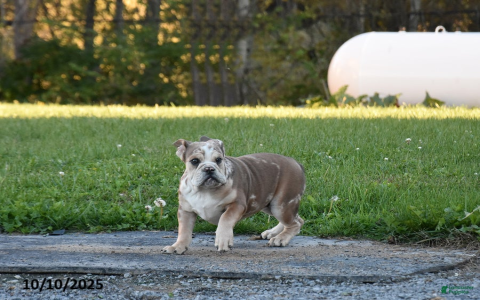
English Bulldog Breeders in the Southwest: A Practical Overview
Introduction
The English Bulldog, instantly recognizable by its wrinkled face and steady nature, remains a favorite among canine lovers. The warm Southwestern region of the United States has seen steady interest in these dogs, prompting local breeders to refine their programs. This overview outlines what prospective owners should know about locating healthy, well-socialized Bulldogs in this sunny part of the country.
The English Bulldog Breed
Originally developed in the British Isles, the Bulldog was bred from mastiff-type dogs into a compact, courageous companion. Today’s version is calm, affectionate, and surprisingly adaptable, thriving in both apartments and larger homes as long as moderate temperatures and shade are provided.

The Role of English Bulldog Breeders in the Region
Responsible breeders in the Southwest serve as caretakers of the breed’s future. They pair adults for health, stable temperament, and genetic diversity, then raise litters indoors to encourage human interaction. Each puppy is screened by a licensed veterinarian and started on age-appropriate socialization before placement.
Challenges Faced by English Bulldog Breeders in Arid Climates
Heat is the primary hurdle. Because Bulldogs breathe through shortened nasal passages, they overheat quickly. Ethical breeders counter this with climate-controlled housing, early-morning or late-evening exercise, and kiddie pools for quick cool-downs. They also educate new owners about signs of heat stress and the importance of never leaving a Bulldog in a parked vehicle.
Health and Genetic Testing
Reputable programs test breeding stock for cardiac, ocular, and orthopedic issues common to the breed. DNA panels screen for hereditary conditions such as cystinuria and canine hyperuricosuria. Results are shared openly so buyers understand both strengths and potential risks in each bloodline.

The Importance of Responsible Breeding Practices
Sound practices protect the breed’s long-term welfare. This includes limiting the number of litters per female, providing lifetime take-back guarantees, and refusing to sell to impulse buyers. Good breeders also mentor newcomers and stay current on veterinary advances.
The Role of Kennel Clubs and Registries
Established registries publish breed standards, maintain pedigree databases, and sanction health clinics. By following these guidelines, regional breeders keep accurate records and participate in events that promote responsible ownership.
Finding English Bulldog Breeders in the Southwest
Prospective owners can take several steps to locate a trustworthy source:

1. Ask for Recommendations: Talk with local veterinarians, training clubs, and rescue volunteers.
2. Visit the Breeder’s Facility: Observe cleanliness, meet the mother dog, and watch puppies interact.
3. Ask About Health and Genetic Testing: Request copies of recent certificates and discuss any conditions seen in previous litters.
4. Meet the Parents: Adult dogs should be friendly, in good weight, and free of obvious breathing distress.
5. Review References: Speak with earlier buyers about longevity, temperament, and post-sale support.
Conclusion

Dedicated breeders across the arid Southwest continue to refine the English Bulldog for health and companionship. By choosing a responsible source, owners gain a cheerful, loyal friend while supporting efforts to secure the breed’s future in warm climates.
Future Research and Recommendations
Ongoing studies into thermoregulation, nutrition, and exercise tolerance will further safeguard Bulldogs in hot environments. Collaboration between breeders, veterinarians, and universities remains key to reducing inherited disorders and ensuring that future generations enjoy long, comfortable lives.


