

Boston Terrier Puppies: A Friendly Guide
Introduction
The Boston Terrier wins hearts with its tuxedo coat and bright, sociable nature. From city apartments to suburban yards, this compact companion fits almost anywhere. This overview explains the breed’s background, hallmark traits, and how to welcome a healthy, happy puppy into your home.
History of the Boston Terrier
In post-Civil War Boston, coachmen crossed Bulldogs with now-vanished terrier types to create a smaller, gentler pit fighter. Within decades the new “round-headed bull terrier” charmed families instead of ringside crowds, earning AKC recognition in 1898 and the nickname “American Gentleman.”

Characteristics of the Boston Terrier
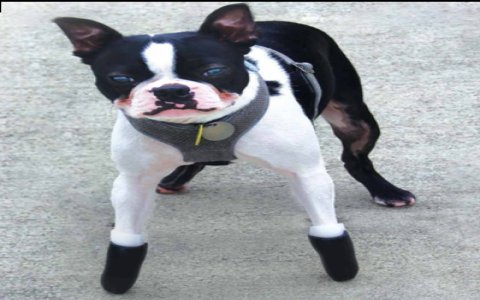
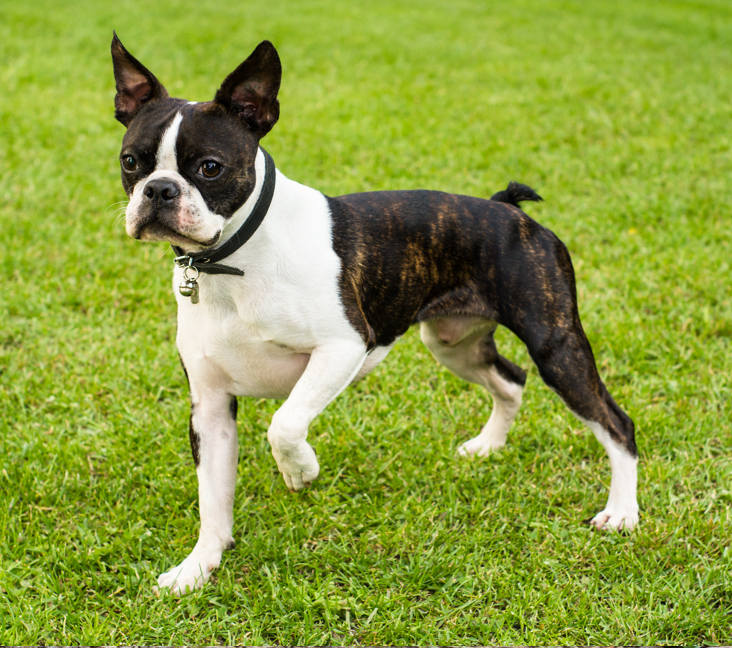
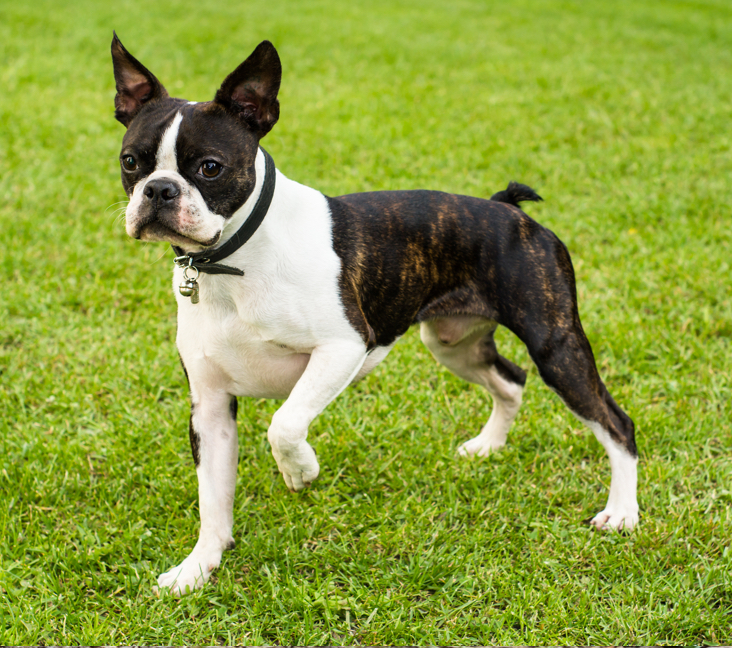
Adults stand 15–17 inches and weigh 12–25 pounds. The square skull, large dark eyes, and short muzzle give a perpetual friendly grin. Acceptable coat patterns are black, seal, or brindle, always neatly marked with white. Intelligent and eager to please, the breed learns house rules quickly and stays playful well into senior years. Average life expectancy is 11–15 years.
Finding Boston Terrier Puppies
Whether you prefer a responsible breeder or a rescue alum, patience and research prevent heartache. Start with national breed-club referral lists, visit premises in person, and ask for health testing documentation. Reputable sources never ship puppies sight-unseen or offer multiple litters year-round.
1. Reputable Breeders
Good breeders focus on temperament, genetic screening, and early socialization. Expect questions about your lifestyle and a contract that includes a spay/neuter clause and lifetime take-back policy.

2. Rescue Organizations
Breed-specific rescues routinely have adolescents and adults whose energy level and size are already known. Adoption counselors match personalities to households, and fees usually cover vaccinations, microchips, and sterilization.
3. Online Resources
Websites that aggregate adoptable dogs can speed the search, but verify listings through the hosting rescue or shelter before sending funds or personal information. Social media groups dedicated to Boston Terriers often post courtesy listings and foster appeals.
Caring for Boston Terrier Puppies
Preparation turns the first weeks from chaotic to charming.
1. Nutrition
Choose a puppy formula approved by your veterinarian; small, frequent meals prevent hypoglycemia. Measure portions to keep growth steady, avoiding the joint stress that comes from excess weight.
2. Exercise
Two brisk 20-minute walks plus indoor play satisfy most youngsters. Because flat faces reduce heat tolerance, schedule outings during cooler hours and provide plenty of water.
3. Grooming
A rubber curry brush once a week removes loose hair and highlights the coat’s natural shine. Clean facial folds with a damp cloth to prevent irritation, and trim nails every two weeks.
4. Health Care
Schedule a vet visit within the first week for a baseline exam and vaccination plan. Discuss breed concerns such as cherry eye, patellar luxation, and soft-palate issues so you can recognize symptoms early.
Conclusion
A well-bred or properly rescued Boston Terrier rewards owners with comic energy and devoted companionship. By investing time in research, training, and preventive care, you set the stage for a decade or more of tail wags and affectionate head tilts. Welcome your new gentleman—or lady—into the family and enjoy the sparkle they bring to everyday life.
As interest in the breed grows, choosing ethical sources and sharing accurate care information helps every Boston Terrier enjoy the bright, loving future it deserves.


